Random Phone Number Generator: Testing, SMS Verification & DevOps Integration
Quick Summary
- A random phone number generator creates valid-looking s
- A random phone number generator creates valid-looking synthetic numbers for database seeding and UI testing — but these numbers cannot receive SMS messages .
- Synthetic Numbers vs. Live Numbers: Two Different Tools
Editorial Process
Reviewed by SectoJoy and published on May 7, 2026. This article is refreshed when product details, examples, or tool guidance change. Last updated May 15, 2026.
SectoJoy
I'm an indie hacker building iOS and web applications, with a focus on creating practical SaaS products. I specialize in AI SEO, constantly exploring how intelligent technologies can drive sustainable growth and efficiency.
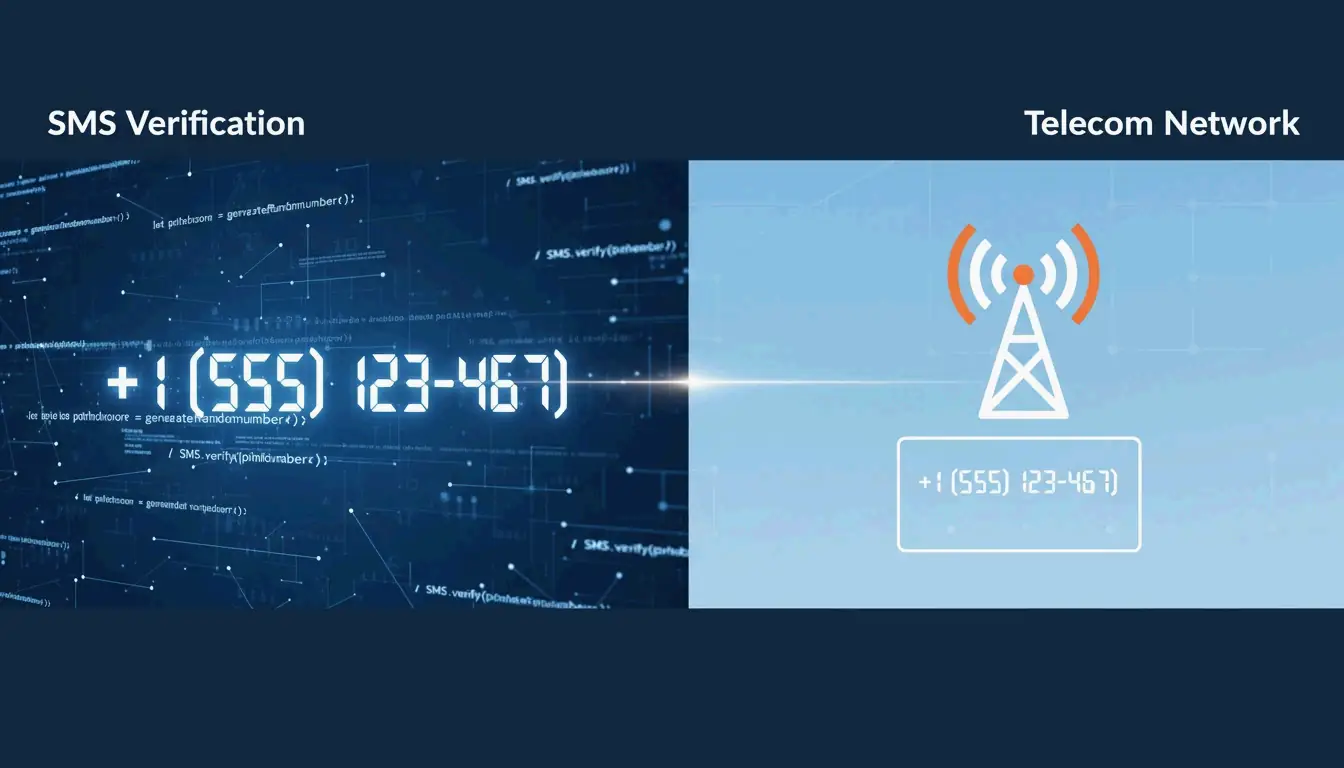
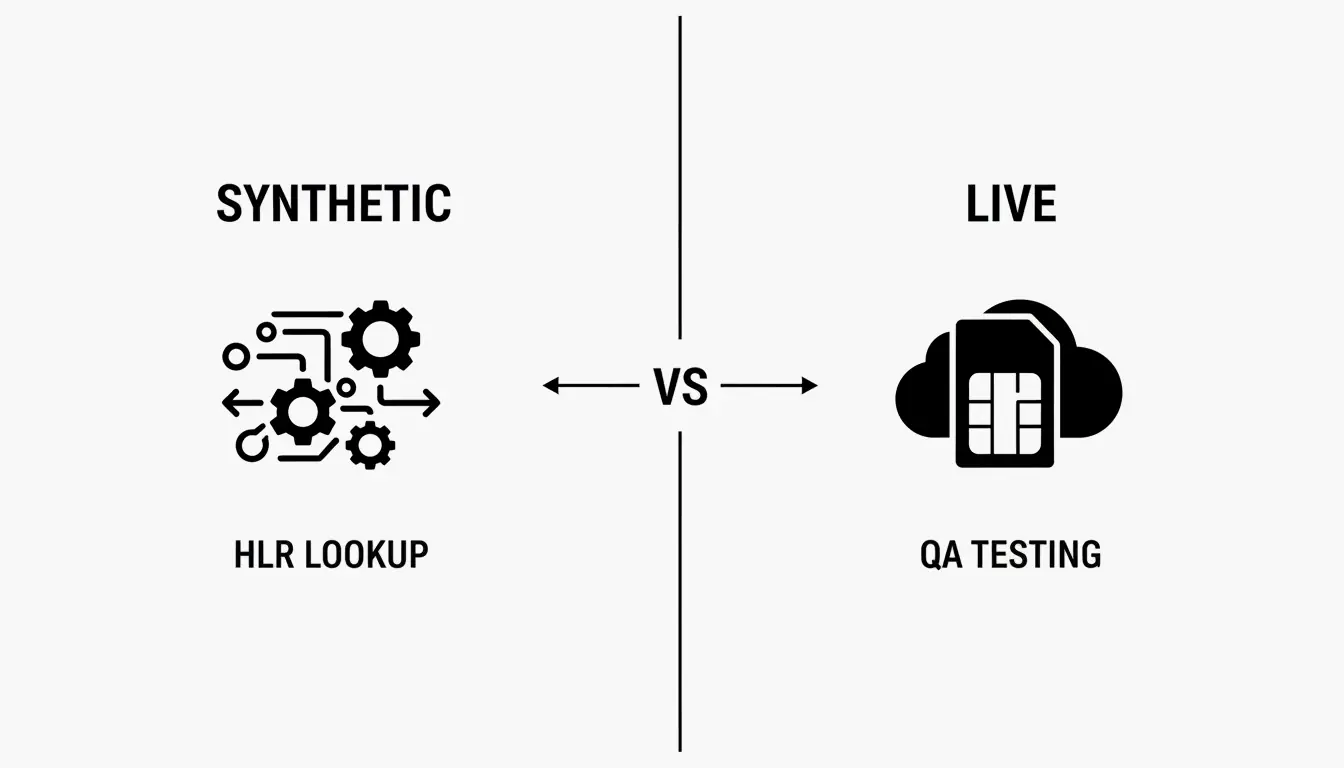
A random phone number generator creates valid-looking synthetic numbers for database seeding and UI testing — but these numbers cannot receive SMS messages. For actual verification (OTP codes, account signups), you need real-time non-VoIP temporary numbers connected to cellular infrastructure. This guide covers both use cases and explains why modern platforms block synthetic numbers.
Synthetic Numbers vs. Live Numbers: Two Different Tools
| Property | Synthetic (Generated) | Live (Rented Non-VoIP) |
|---|---|---|
| Connected to network | No | Yes — cellular infrastructure |
| Can receive SMS/OTP | No | Yes |
| Cost | Free | Paid service |
| Best for | DB seeding, UI testing, stress tests | SMS verification, account signups |
| Format compliance | Follows NANP/E.164 rules | Real carrier-assigned number |
As Quackr puts it: a generated number is a “prop”; a verification number is “infrastructure.”
Generating Valid Test Data: E.164 and CSPRNG
The E.164 Standard
For global compatibility, always use E.164 format: a + sign followed by country code, area code, and subscriber number — no spaces or dashes.
| Format | Example | Use Case |
|---|---|---|
| E.164 | +14155550100 | Machine-readable, API/database standard |
| National | (415) 555-0100 | Local display in apps |
| International | +1 415-555-0100 | Human-readable with country code |
CSPRNG for Unbiased Test Data
Use a Cryptographically Secure Pseudo-Random Number Generator (CSPRNG) to prevent predictable patterns in test datasets. Tools like Generate-Random.org use CSPRNG to ensure digits are not biased, which keeps automated tests statistically valid.
GadegetKit reports that one fintech QA team cut end-to-end script setup time by 65% by using bulk synthetic datasets in staging environments.
Code Examples for Your CI/CD Pipeline
Python — Generate NANP-compliant area codes:
import secrets

area_code = str(secrets.randbelow(8) + 2)  # 2-9
exchange = str(secrets.randbelow(800) + 200)  # 200-999
subscriber = f"{secrets.randbelow(10000):04d}"
phone = f"+1{area_code}{exchange}{subscriber}"
JavaScript — Browser-side generation with crypto.getRandomValues():
const buf = new Uint32Array(1);
crypto.getRandomValues(buf);
const areaCode = 200 + (buf[0] % 800);  // 200-999
Reserved Ranges for Safe Testing
In the US and Canada, 555-0100 to 555-0199 is specifically reserved for fictional use. Always use these ranges for documentation and testing to avoid accidentally contacting real people.
Why Platforms Block Verification: HLR and VoIP Filters
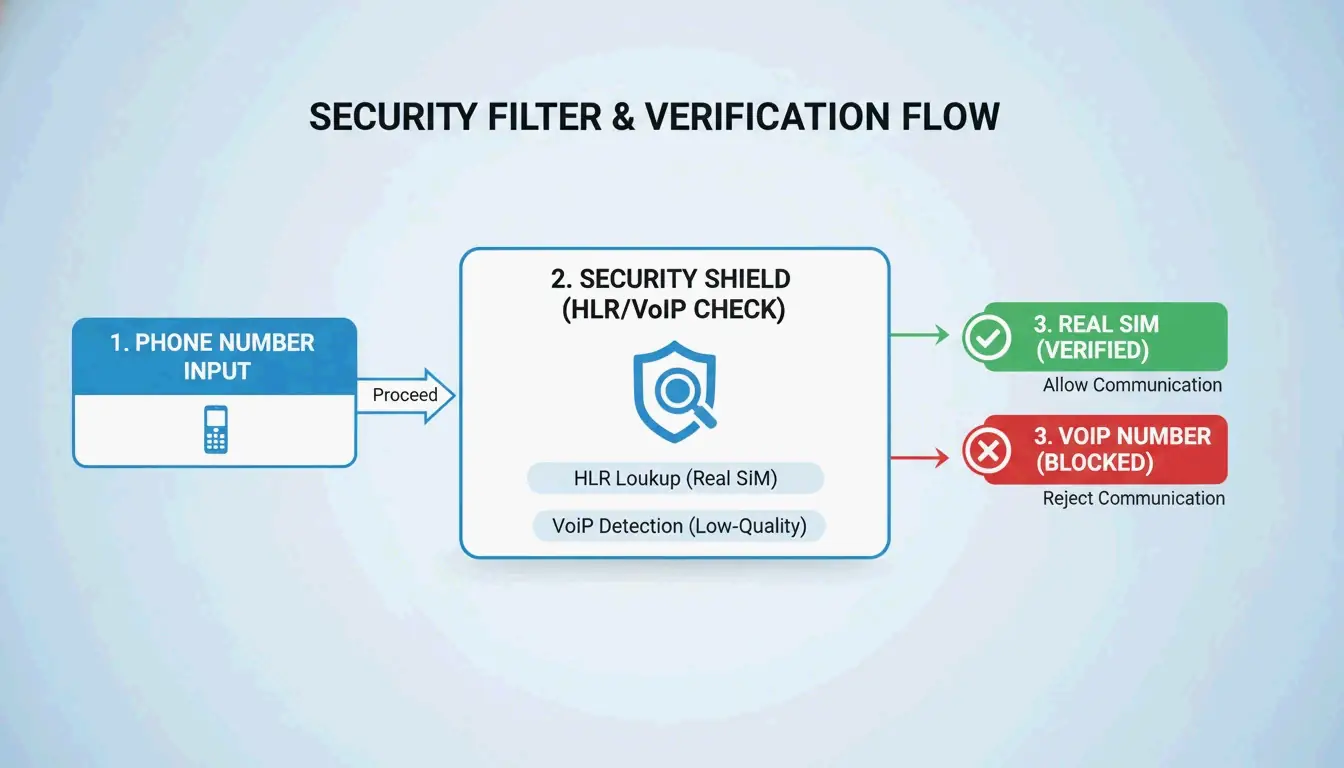
If you have ever tried a free virtual number for WhatsApp or Instagram and received an “invalid number” error, you hit a VoIP filter. Modern platforms distinguish between:
- VoIP numbers — routed over the internet, easily obtained in bulk, frequently used for spam
- Non-VoIP numbers — tied to physical SIM cards and cell towers, with legitimate carrier signatures
In 2026, major services use HLR (Home Location Register) lookups to verify a number is assigned to a real subscriber before sending an SMS. A 2023 study by the IMDEA Software Institute analyzed 70 million SMS messages and found that public Disposable Phone Number (DPN) platforms are a major fraud vector. As a result, social media and banking apps now require non-VoIP cellular numbers for verification.
Database Seeding at Scale
For bulk data, tools like CodeItBro generate region-specific numbers (Ontario +1-416, California +1-213) and export them as CSV or JSON for SQL/NoSQL databases — simulating diverse user bases without touching real data.
DevOps Integration: Automated QA Workflows
The TRNG technology market is growing at 10.98% CAGR, projected to reach $9.19 billion by 2032 according to GadegetKit. This reflects the demand for high-entropy data in QA environments.
Best Practices for 2026
- Label synthetic data clearly in staging environments so production systems never accidentally contact generated numbers
- Use bulk JSON generation (up to 1,000 numbers) for automated regression tests
- Validate format compliance — ensure all generated numbers pass E.164 regex checks
- Separate test pipelines — synthetic data for internal QA, rented non-VoIP numbers for live verification testing
Conclusion
Synthetic phone number generators are essential for database seeding and UI testing — use E.164 format and CSPRNG for valid, unbiased data. But they cannot receive SMS. For actual verification, you need non-VoIP cellular numbers that pass HLR checks. The best 2026 approach: synthetic generators for internal QA speed, rented non-VoIP numbers for live verification testing.
FAQ
Can a randomly generated phone number receive a verification code?
No. Synthetic numbers are formatted strings of digits — they have no SIM card, no network route, and no carrier assignment. To receive an SMS or OTP, you need a live temporary number or non-VoIP service actively routed by a cellular carrier.
What is the difference between E.164, National, and International formats?
- E.164: Global machine-readable standard —
+14155550101(no spaces) - National: Local display format —
(415) 555-0101in the US - International: Human-readable with country code —
+1 415-555-0101
Always use E.164 for databases and APIs.
Why do apps like WhatsApp or Instagram block temporary phone numbers?
These platforms use HLR lookups and DPN (Disposable Phone Number) databases to identify VoIP signatures and bulk-registered number ranges. In 2026, they prioritize non-VoIP numbers tied to physical cellular infrastructure to prevent bot-driven spam and fraud.
Is it legal to use fake phone numbers for online signups?
Synthetic numbers are legal for software testing, design mockups, and privacy protection. However, using them to violate a platform’s Terms of Service, commit fraud, or harass others is illegal. For testing and documentation, always use reserved ranges (like 555-01XX) to avoid contacting real people.
Frequently Asked Questions
Can a randomly generated phone number receive a verification code?
No. Synthetic numbers are formatted strings of digits — they have no SIM card, no network route, and no carrier assignment. To receive an SMS or OTP, you need a live temporary number or non-VoIP service actively routed by a cellular carrier.
What is the difference between E.164, National, and International formats?
E.164: Global machine-readable standard — +14155550101 (no spaces) National: Local display format — (415) 555-0101 in the US International: Human-readable with country code — +1 415-555-0101 Always use E.164 for databases and APIs.
Why do apps like WhatsApp or Instagram block temporary phone numbers?
These platforms use HLR lookups and DPN (Disposable Phone Number) databases to identify VoIP signatures and bulk-registered number ranges. In 2026, they prioritize non-VoIP numbers tied to physical cellular infrastructure to prevent bot-driven spam and fraud.
Is it legal to use fake phone numbers for online signups?
Synthetic numbers are legal for software testing, design mockups, and privacy protection. However, using them to violate a platform’s Terms of Service, commit fraud, or harass others is illegal. For testing and documentation, always use reserved ranges (like 555-01XX) to avoid contacting real people.
Related Posts
SME Inventory Management: Build a Low-Cost Fixed Asset Barcode System in 2026
How Truly Random Numbers Are Generated: TRNG, PRNG, and CSPRNG Explained
How to Pick a Raffle Winner Fairly: The Ultimate Guide to Random Legal Draws