Generator Nomor Telepon Acak: Pengujian, Verifikasi SMS & Integrasi DevOps
Ringkasan Cepat
- Generator nomor telepon acak menghasilkan nomor sintetis yang tampak valid untuk seeding database dan pengujian UI — namun nomor ini tidak dapat menerima SMS.
- Generator nomor telepon acak menghasilkan nomor sintetis yang tampak valid untuk seeding database dan pengujian UI — tetapi nomor-nomor ini tidak dapat menerima SMS .
- Nomor Sintetis vs. Nomor Live: Dua Alat yang Berbeda
Proses Editorial
Ditinjau oleh SectoJoy dan diterbitkan pada 19 Juni 2026. Artikel ini diperbarui ketika detail produk, contoh, atau panduan alat berubah. Terakhir diperbarui 19 Juni 2026.
SectoJoy
Saya seorang indie hacker yang membangun aplikasi iOS dan web, dengan fokus pada pembuatan produk SaaS yang praktis. Saya mengkhususkan diri dalam AI SEO, terus mengeksplorasi bagaimana teknologi cerdas dapat mendorong pertumbuhan dan efisiensi yang berkelanjutan.
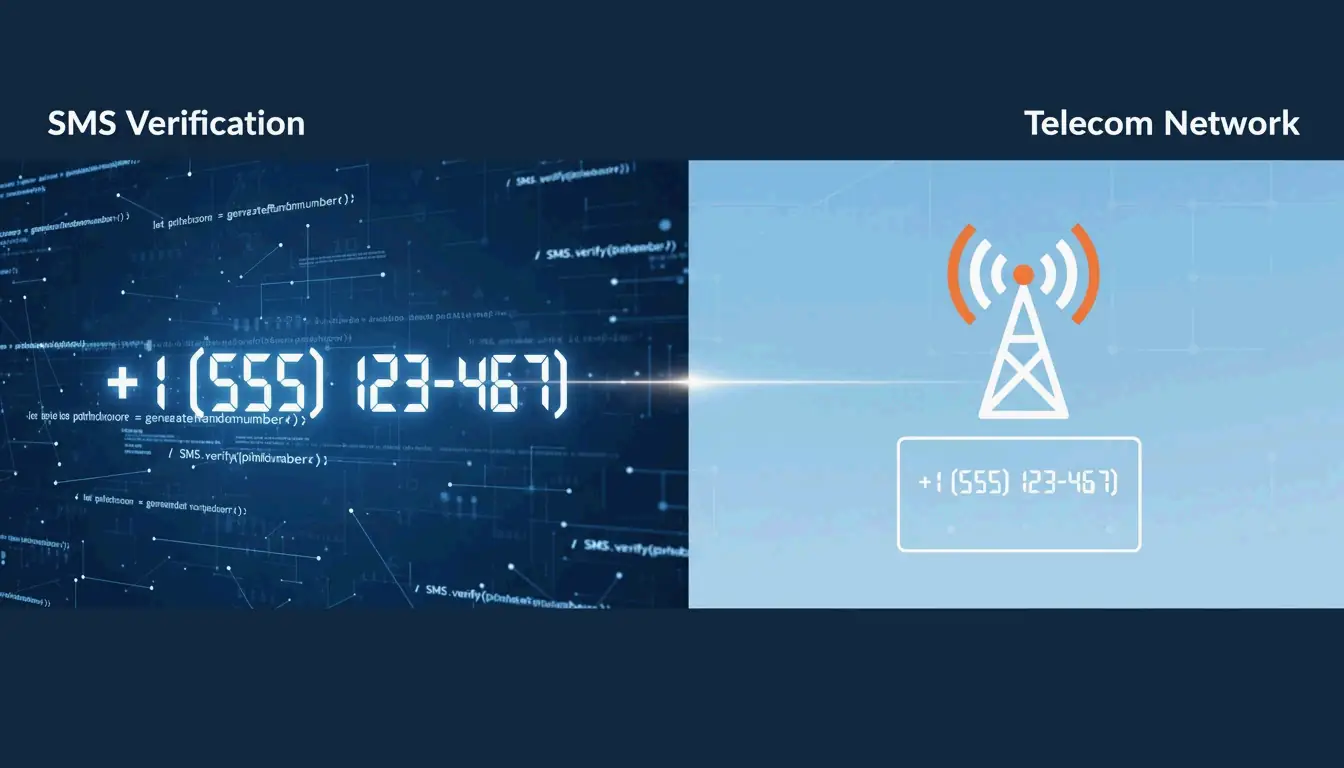
Generator nomor telepon acak menghasilkan nomor sintetis yang tampak valid untuk seeding database dan pengujian UI — tetapi nomor-nomor ini tidak dapat menerima SMS. Untuk verifikasi nyata (kode OTP, pendaftaran akun), Anda memerlukan nomor sementara non-VoIP real-time yang terhubung ke infrastruktur seluler. Panduan ini membahas kedua kasus penggunaan dan menjelaskan mengapa platform modern memblokir nomor sintetis.
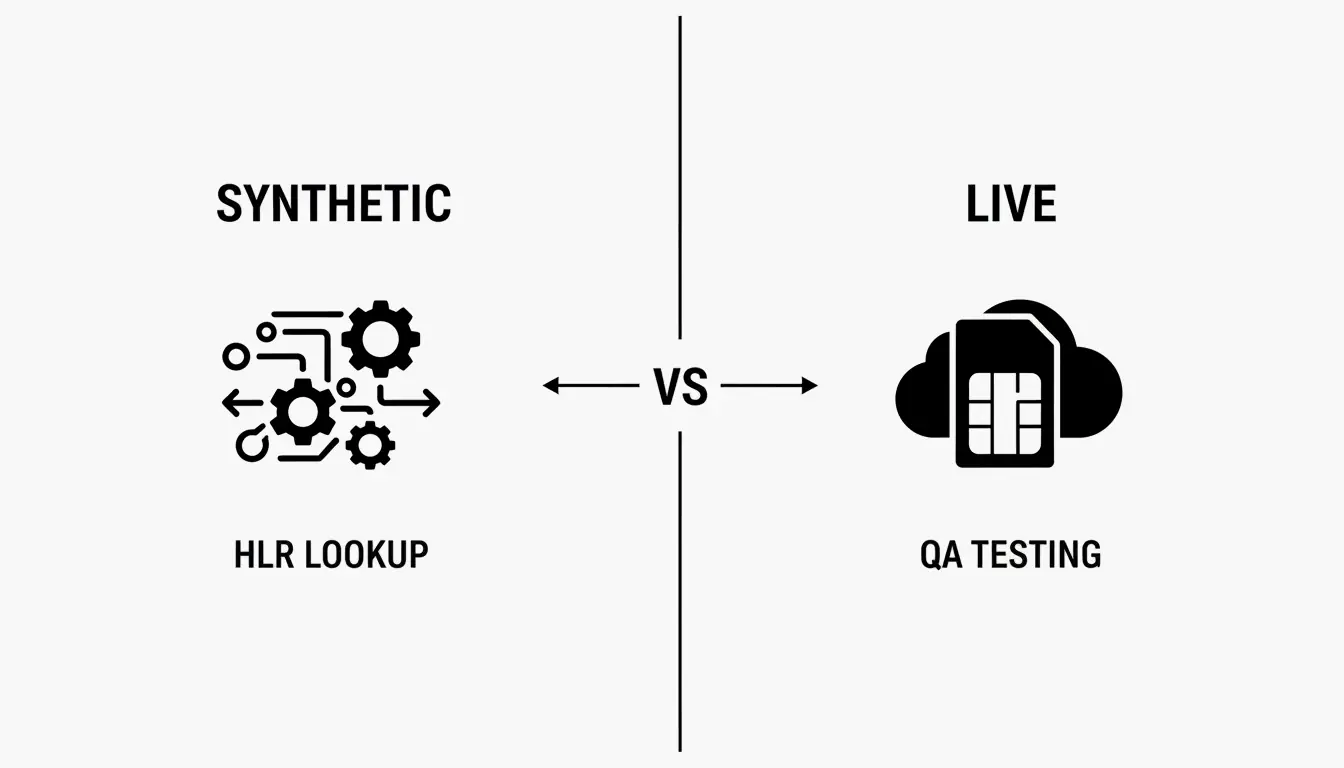
Nomor Sintetis vs. Nomor Live: Dua Alat yang Berbeda
| Properti | Sintetis (Dihasilkan) | Live (Non-VoIP Sewaan) |
|---|---|---|
| Terhubung ke jaringan | Tidak | Ya — infrastruktur seluler |
| Dapat menerima SMS/OTP | Tidak | Ya |
| Biaya | Gratis | Layanan berbayar |
| Paling cocok untuk | Seeding DB, pengujian UI, stress test | Verifikasi SMS, pendaftaran akun |
| Kepatuhan format | Mengikuti aturan NANP/E.164 | Nomor asli dari operator |
Seperti yang diungkapkan Quackr: nomor yang dihasilkan adalah sebuah “prop”; nomor verifikasi adalah “infrastruktur.”
Menghasilkan Data Uji yang Valid: E.164 dan CSPRNG
Standar E.164
Untuk kompatibilitas global, selalu gunakan format E.164: tanda + diikuti kode negara, kode area, dan nomor pelanggan — tanpa spasi atau tanda hubung.
| Format | Contoh | Kasus Penggunaan |
|---|---|---|
| E.164 | +14155550100 | Standar mesin/API/database |
| Nasional | (415) 555-0100 | Tampilan lokal di aplikasi |
| Internasional | +1 415-555-0100 | Mudah dibaca manusia dengan kode negara |
CSPRNG untuk Data Uji yang Tidak Bias
Gunakan Cryptographically Secure Pseudo-Random Number Generator (CSPRNG) untuk mencegah pola yang dapat diprediksi dalam dataset pengujian. Alat seperti Generate-Random.org menggunakan CSPRNG untuk memastikan digit tidak bias, yang menjaga otomatisasi pengujian tetap valid secara statistik.
GadegetKit melaporkan bahwa satu tim QA fintech memangkas waktu penyiapan script end-to-end sebesar 65% dengan menggunakan dataset sintetis massal di lingkungan staging.
Contoh Kode untuk Pipeline CI/CD Anda
Python — Hasilkan kode area yang sesuai dengan NANP:
import secrets

area_code = str(secrets.randbelow(8) + 2)  # 2-9
exchange = str(secrets.randbelow(800) + 200)  # 200-999
subscriber = f"{secrets.randbelow(10000):04d}"
phone = f"+1{area_code}{exchange}{subscriber}"
JavaScript — Pembuatan di sisi browser dengan crypto.getRandomValues():
const buf = new Uint32Array(1);
crypto.getRandomValues(buf);
const areaCode = 200 + (buf[0] % 800);  // 200-999
Rentang Khusus untuk Pengujian yang Aman
Di AS dan Kanada, 555-0100 hingga 555-0199 secara khusus dicadangkan untuk penggunaan fiktif. Selalu gunakan rentang ini untuk dokumentasi dan pengujian agar tidak secara tidak sengaja menghubungi orang nyata.
Mengapa Platform Memblokir Verifikasi: Filter HLR dan VoIP
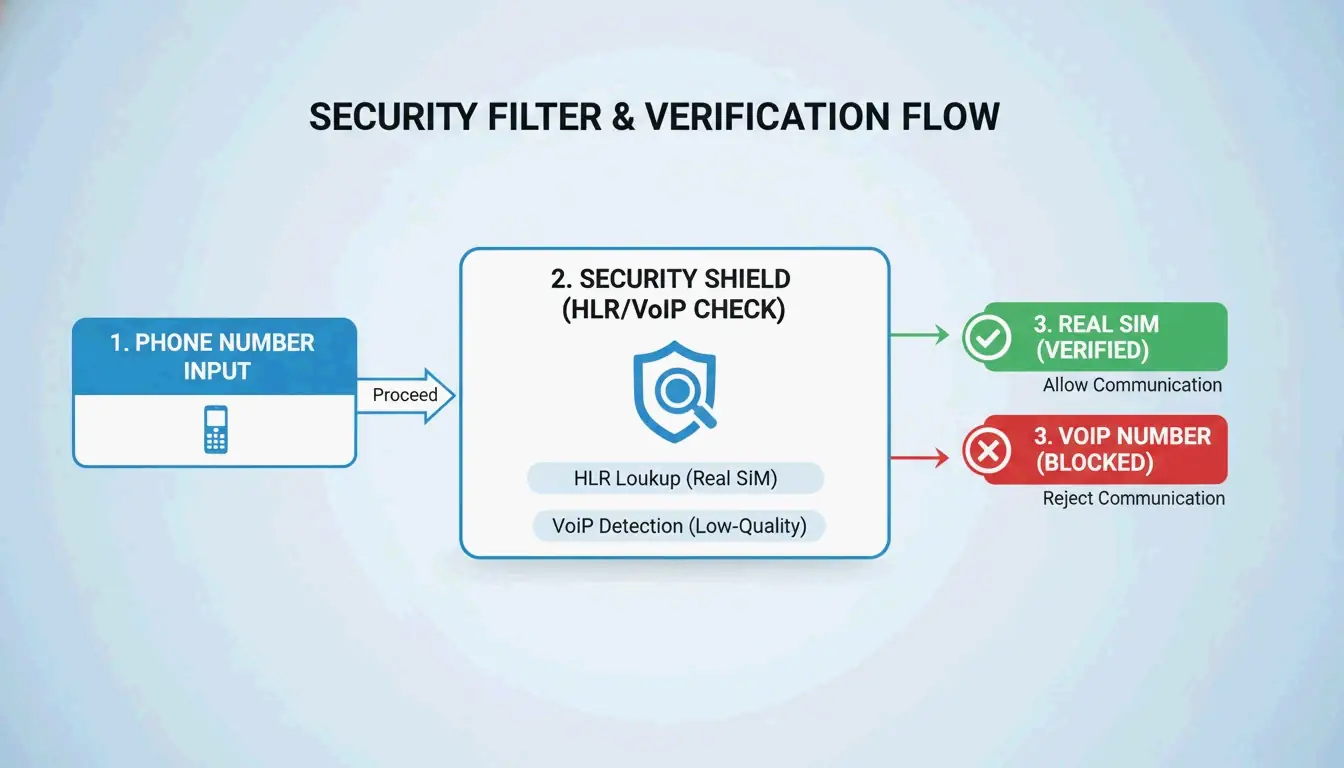
Jika Anda pernah mencoba nomor virtual gratis untuk WhatsApp atau Instagram dan menerima pesan error “nomor tidak valid”, Anda telah menemui filter VoIP. Platform modern membedakan antara:
- Nomor VoIP — dirutekan melalui internet, mudah diperoleh dalam jumlah besar, sering digunakan untuk spam
- Nomor non-VoIP — terikat ke kartu SIM fisik dan menara seluler, dengan tanda tangan operator yang sah
Pada 2026, layanan besar menggunakan pencarian HLR (Home Location Register) untuk memverifikasi bahwa sebuah nomor ditetapkan ke pelanggan nyata sebelum mengirim SMS. Sebuah studi 2023 oleh IMDEA Software Institute menganalisis 70 juta pesan SMS dan menemukan bahwa platform Disposable Phone Number (DPN) publik menjadi vektor penipuan utama. Akibatnya, aplikasi media sosial dan perbankan kini mensyaratkan nomor seluler non-VoIP untuk verifikasi.
Seeding Database dalam Skala Besar
Untuk data massal, alat seperti CodeItBro menghasilkan nomor spesifik wilayah (Ontario +1-416, California +1-213) dan mengekspornya sebagai CSV atau JSON untuk database SQL/NoSQL — menyimulasikan basis pengguna yang beragam tanpa menyentuh data nyata.
Integrasi DevOps: Workflow QA Otomatis
Pasar teknologi TRNG tumbuh pada CAGR 10.98%, diproyeksikan mencapai $9.19 miliar pada 2032 menurut GadegetKit. Hal ini mencerminkan permintaan akan data entropi tinggi di lingkungan QA.
Praktik Terbaik untuk 2026
- Beri label data sintetis dengan jelas di lingkungan staging agar sistem produksi tidak pernah secara tidak sengaja menghubungi nomor yang dihasilkan
- Gunakan pembuatan JSON massal (hingga 1.000 nomor) untuk pengujian regresi otomatis
- Validasi kepatuhan format — pastikan semua nomor yang dihasilkan lolos pemeriksaan regex E.164
- Pisahkan pipeline pengujian — data sintetis untuk QA internal, nomor non-VoIP sewaan untuk pengujian verifikasi live
Kesimpulan
Generator nomor telepon sintetis sangat penting untuk seeding database dan pengujian UI — gunakan format E.164 dan CSPRNG untuk data yang valid dan tidak bias. Namun nomor ini tidak dapat menerima SMS. Untuk verifikasi nyata, Anda memerlukan nomor seluler non-VoIP yang lolos pemeriksaan HLR. Pendekatan terbaik di 2026: generator sintetis untuk kecepatan QA internal, nomor non-VoIP sewaan untuk pengujian verifikasi live.
FAQ
Apakah nomor telepon yang dihasilkan secara acak dapat menerima kode verifikasi?
Tidak. Nomor sintetis adalah string digit yang diformat — tidak memiliki kartu SIM, tidak ada rute jaringan, dan tidak ada penetapan operator. Untuk menerima SMS atau OTP, Anda memerlukan nomor sementara live atau layanan non-VoIP yang dirutekan secara aktif oleh operator seluler.
Apa perbedaan antara format E.164, Nasional, dan Internasional?
- E.164: Standar global yang dapat dibaca mesin —
+14155550101(tanpa spasi) - Nasional: Format tampilan lokal —
(415) 555-0101di AS - Internasional: Mudah dibaca manusia dengan kode negara —
+1 415-555-0101
Selalu gunakan E.164 untuk database dan API.
Mengapa aplikasi seperti WhatsApp atau Instagram memblokir nomor telepon sementara?
Platform-platform ini menggunakan pencarian HLR dan database DPN (Disposable Phone Number) untuk mengidentifikasi tanda tangan VoIP dan rentang nomor yang didaftarkan secara massal. Pada 2026, mereka memprioritaskan nomor non-VoIP yang terikat ke infrastruktur seluler fisik untuk mencegah spam dan penipuan yang didorong bot.
Apakah legal menggunakan nomor telepon palsu untuk pendaftaran online?
Nomor sintetis legal untuk pengujian perangkat lunak, mockup desain, dan perlindungan privasi. Namun, menggunakannya untuk melanggar Ketentuan Layanan suatu platform, melakukan penipuan, atau melecehkan orang lain adalah ilegal. Untuk pengujian dan dokumentasi, selalu gunakan rentang yang dicadangkan (seperti 555-01XX) agar tidak menghubungi orang nyata.
Pertanyaan yang Sering Diajukan
Apakah nomor telepon yang dihasilkan secara acak dapat menerima kode verifikasi?
Tidak. Nomor sintetis adalah string digit yang diformat — tidak memiliki kartu SIM, tidak ada rute jaringan, dan tidak ada penetapan operator. Untuk menerima SMS atau OTP, Anda memerlukan nomor sementara live atau layanan non-VoIP yang dirutekan secara aktif oleh operator seluler.
Apa perbedaan antara format E.164, Nasional, dan Internasional?
E.164: Standar global yang dapat dibaca mesin — +14155550101 (tanpa spasi) Nasional: Format tampilan lokal — (415) 555-0101 di AS Internasional: Mudah dibaca manusia dengan kode negara — +1 415-555-0101 Selalu gunakan E.164 untuk database dan API.
Mengapa aplikasi seperti WhatsApp atau Instagram memblokir nomor telepon sementara?
Platform-platform ini menggunakan pencarian HLR dan database DPN (Disposable Phone Number) untuk mengidentifikasi tanda tangan VoIP dan rentang nomor yang didaftarkan secara massal. Pada 2026, mereka memprioritaskan nomor non-VoIP yang terikat ke infrastruktur seluler fisik untuk mencegah spam dan penipuan yang didorong bot.
Apakah legal menggunakan nomor telepon palsu untuk pendaftaran online?
Nomor sintetis legal untuk pengujian perangkat lunak, mockup desain, dan perlindungan privasi. Namun, menggunakannya untuk melanggar Ketentuan Layanan suatu platform, melakukan penipuan, atau melecehkan orang lain adalah ilegal. Untuk pengujian dan dokumentasi, selalu gunakan rentang yang dicadangkan (seperti 555-01XX) agar tidak menghubungi orang nyata.
Artikel Terkait
Manajemen Inventaris UMKM: Bangun Sistem Barcode Aset Tetap Murah di 2026
Cara Angka Acak Sungguhan Dihasilkan: Penjelasan TRNG, PRNG, dan CSPRNG
Cara Memilih Pemenang Lotre secara Adil: Panduan Utama untuk Pengundian Acak yang Sah