Générateur de Numéros de Téléphone Aléatoires : Tests, Vérification SMS & Intégration DevOps
Résumé rapide
- Un générateur de numéros de téléphone aléatoires produit des numéros synthétiques plausibles pour le seed de bases de données et les tests d’interface — mais ces numéros ne peuvent pas recevoir de SMS. Pour la vérification réelle (codes OTP, inscriptions), il faut des numéros temporaires non-VoIP connectés à une infrastructure cellulaire.
- Un générateur de numéros de téléphone aléatoires crée des numéros synthétiques au format valide pour le seed de bases de données et les tests d’interface — mais ces numéros ne peuvent pas recevoir de SMS .
- Numéros synthétiques vs numéros actifs : deux outils différents
Processus éditorial
Relu par SectoJoy et publié le 19 juin 2026. Cet article est mis à jour lorsque les détails du produit, les exemples ou les consignes d'utilisation évoluent. Dernière mise à jour : 19 juin 2026.
SectoJoy
Je suis un développeur indépendant créant des applications iOS et web, avec un focus sur les produits SaaS pratiques. Je me spécialise en SEO basé sur l'IA, en explorant constamment comment les technologies intelligentes peuvent stimuler la croissance durable et l'efficacité.
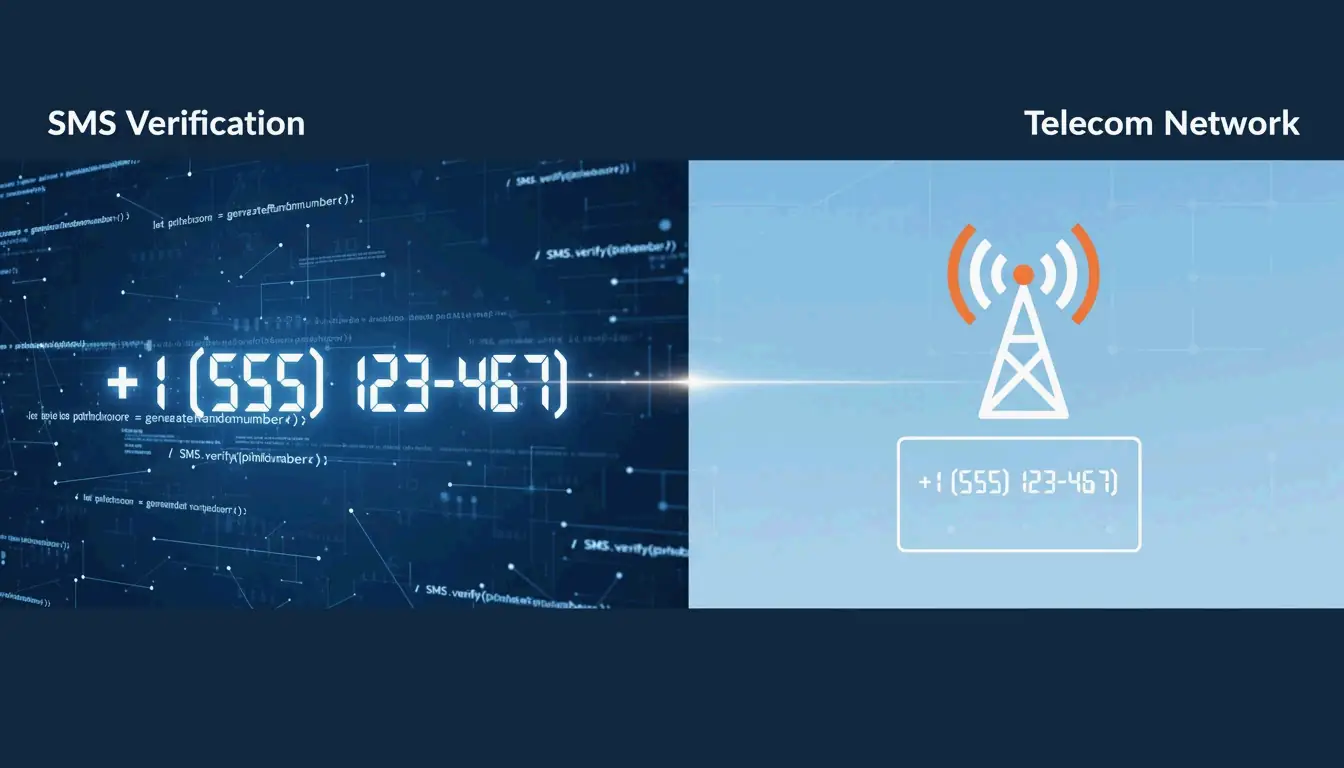
Un générateur de numéros de téléphone aléatoires crée des numéros synthétiques au format valide pour le seed de bases de données et les tests d’interface — mais ces numéros ne peuvent pas recevoir de SMS. Pour la vérification réelle (codes OTP, inscriptions de comptes), il vous faut des numéros temporaires non-VoIP en temps réel, connectés à une infrastructure cellulaire. Ce guide couvre les deux cas d’usage et explique pourquoi les plateformes modernes bloquent les numéros synthétiques.
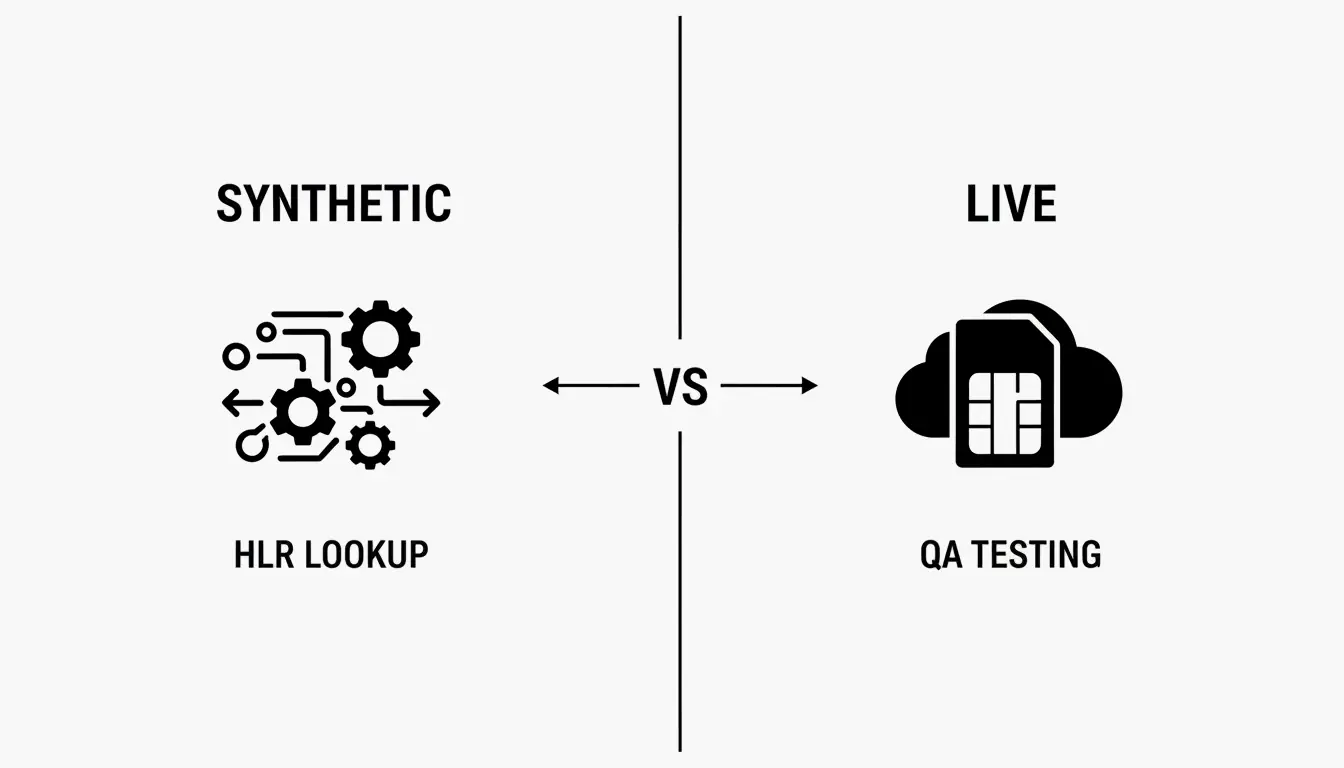
Numéros synthétiques vs numéros actifs : deux outils différents
| Propriété | Synthétique (généré) | Actif (non-VoIP loué) |
|---|---|---|
| Connecté au réseau | Non | Oui — infrastructure cellulaire |
| Peut recevoir SMS/OTP | Non | Oui |
| Coût | Gratuit | Service payant |
| Idéal pour | Seed de BDD, tests d’interface, tests de charge | Vérification SMS, inscriptions de comptes |
| Conformité de format | Suit les règles NANP/E.164 | Vrai numéro attribué par opérateur |
Comme le dit Quackr : un numéro généré est un « accessoire » ; un numéro de vérification est une « infrastructure ».
Générer des données de test valides : E.164 et CSPRNG
La norme E.164
Pour une compatibilité mondiale, utilisez toujours le format E.164 : un signe + suivi de l’indicatif pays, du code de zone et du numéro d’abonné — sans espaces ni tirets.
| Format | Exemple | Cas d’usage |
|---|---|---|
| E.164 | +14155550100 | Lisible par machine, standard API/base de données |
| National | (415) 555-0100 | Affichage local dans les applications |
| International | +1 415-555-0100 | Lisible par un humain avec indicatif pays |
CSPRNG pour des données de test non biaisées
Utilisez un Cryptographically Secure Pseudo-Random Number Generator (CSPRNG) pour éviter les motifs prévisibles dans vos jeux de données de test. Des outils comme Generate-Random.org emploient un CSPRNG pour garantir que les chiffres ne sont pas biaisés, ce qui maintient la validité statistique des tests automatisés.
GadegetKit rapporte qu’une équipe QA fintech a réduit de 65 % le temps de configuration des scripts de bout en bout en utilisant des jeux de données synthétiques en masse dans des environnements de staging.
Exemples de code pour votre pipeline CI/CD
Python — Générer des codes de zone conformes au NANP :
import secrets

area_code = str(secrets.randbelow(8) + 2)  # 2-9
exchange = str(secrets.randbelow(800) + 200)  # 200-999
subscriber = f"{secrets.randbelow(10000):04d}"
phone = f"+1{area_code}{exchange}{subscriber}"
JavaScript — Génération côté navigateur avec crypto.getRandomValues() :
const buf = new Uint32Array(1);
crypto.getRandomValues(buf);
const areaCode = 200 + (buf[0] % 800);  // 200-999
Plages réservées pour des tests sûrs
Aux États-Unis et au Canada, la plage 555-0100 à 555-0199 est spécifiquement réservée à un usage fictif. Utilisez toujours ces plages pour la documentation et les tests afin d’éviter de contacter accidentellement de vraies personnes.
Pourquoi les plateformes bloquent la vérification : HLR et filtres VoIP
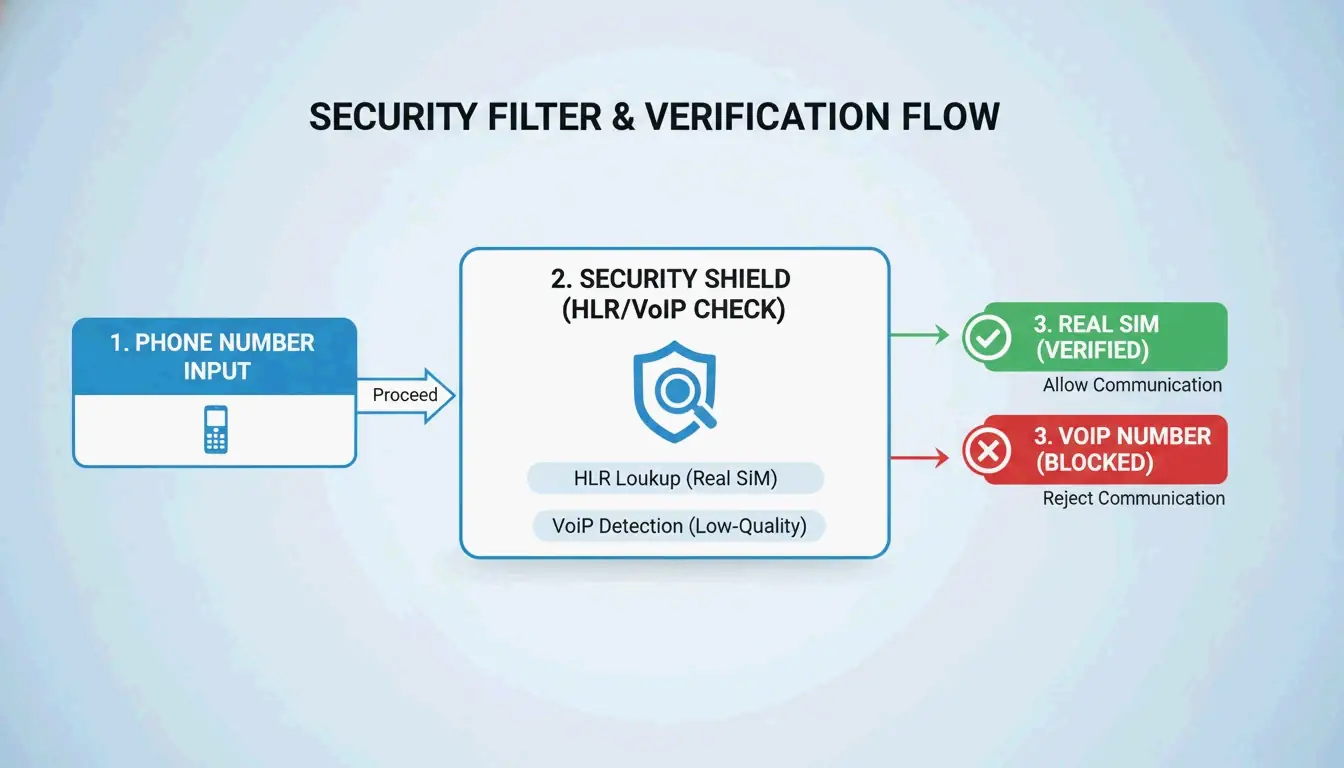
Si vous avez déjà essayé un numéro virtuel gratuit pour WhatsApp ou Instagram et reçu une erreur « numéro invalide », vous avez heurté un filtre VoIP. Les plateformes modernes distinguent :
- Numéros VoIP — acheminés via Internet, faciles à obtenir en masse, souvent utilisés pour le spam
- Numéros non-VoIP — liés à des cartes SIM physiques et à des antennes relais, avec des signatures d’opérateur légitimes
En 2026, les principaux services utilisent des lookups HLR (Home Location Register) pour vérifier qu’un numéro est attribué à un véritable abonné avant d’envoyer un SMS. Une étude de 2023 de l’IMDEA Software Institute a analysé 70 millions de SMS et révèle que les plateformes publiques de Disposable Phone Number (DPN) constituent un vecteur majeur de fraude. En conséquence, les réseaux sociaux et les applications bancaires exigent désormais des numéros cellulaires non-VoIP pour la vérification.
Seed de bases de données à grande échelle
Pour les données en masse, des outils comme CodeItBro génèrent des numéros spécifiques à une région (Ontario +1-416, Californie +1-213) et les exportent en CSV ou JSON pour des bases SQL/NoSQL — simulant des bases d’utilisateurs diversifiées sans toucher aux données réelles.
Intégration DevOps : workflows de QA automatisés
Le marché des technologies TRNG progresse à un TCAC de 10,98 %, avec une projection à 9,19 milliards de dollars d’ici 2032 selon GadegetKit. Cela reflète la demande de données à forte entropie dans les environnements de QA.
Bonnes pratiques pour 2026
- Étiquetez clairement les données synthétiques dans les environnements de staging pour que les systèmes de production ne contactent jamais accidentellement des numéros générés
- Utilisez la génération JSON en masse (jusqu’à 1 000 numéros) pour les tests de régression automatisés
- Validez la conformité du format — assurez-vous que tous les numéros générés passent les vérifications regex E.164
- Séparez les pipelines de test — données synthétiques pour la QA interne, numéros non-VoIP loués pour les tests de vérification en direct
Conclusion
Les générateurs de numéros de téléphone synthétiques sont essentiels pour le seed de bases de données et les tests d’interface — utilisez le format E.164 et un CSPRNG pour des données valides et non biaisées. Mais ils ne peuvent pas recevoir de SMS. Pour la vérification réelle, il vous faut des numéros cellulaires non-VoIP qui passent les contrôles HLR. La meilleure approche en 2026 : générateurs synthétiques pour la rapidité de la QA interne, numéros non-VoIP loués pour les tests de vérification en direct.
FAQ
Un numéro de téléphone généré aléatoirement peut-il recevoir un code de vérification ?
Non. Les numéros synthétiques sont des chaînes de chiffres formatées — ils n’ont ni carte SIM, ni route réseau, ni attribution d’opérateur. Pour recevoir un SMS ou un OTP, il vous faut un numéro temporaire actif ou un service non-VoIP activement acheminé par un opérateur cellulaire.
Quelle est la différence entre les formats E.164, National et International ?
- E.164 : Standard mondial lisible par machine —
+14155550101(sans espaces) - National : Format d’affichage local —
(415) 555-0101aux États-Unis - International : Lisible par un humain avec indicatif pays —
+1 415-555-0101
Utilisez toujours E.164 pour les bases de données et les API.
Pourquoi des applications comme WhatsApp ou Instagram bloquent-elles les numéros de téléphone temporaires ?
Ces plateformes utilisent des lookups HLR et des bases de données DPN (Disposable Phone Number) pour identifier les signatures VoIP et les plages de numéros enregistrées en masse. En 2026, elles privilégient les numéros non-VoIP liés à une infrastructure cellulaire physique afin d’empêcher le spam et la fraude pilotés par des bots.
Est-il légal d’utiliser de faux numéros de téléphone pour des inscriptions en ligne ?
Les numéros synthétiques sont légaux pour les tests logiciels, les maquettes de design et la protection de la vie privée. Toutefois, les utiliser pour enfreindre les Conditions d’utilisation d’une plateforme, commettre une fraude ou harceler autrui est illégal. Pour les tests et la documentation, utilisez toujours les plages réservées (comme 555-01XX) afin d’éviter de contacter de vraies personnes.
Questions fréquentes
Un numéro de téléphone généré aléatoirement peut-il recevoir un code de vérification ?
Non. Les numéros synthétiques sont des chaînes de chiffres formatées — ils n’ont ni carte SIM, ni route réseau, ni attribution d’opérateur. Pour recevoir un SMS ou un OTP, il vous faut un numéro temporaire actif ou un service non-VoIP activement acheminé par un opérateur cellulaire.
Quelle est la différence entre les formats E.164, National et International ?
E.164 : Standard mondial lisible par machine — +14155550101 (sans espaces) National : Format d’affichage local — (415) 555-0101 aux États-Unis International : Lisible par un humain avec indicatif pays — +1 415-555-0101 Utilisez toujours E.164 pour les bases de données et les API.
Pourquoi des applications comme WhatsApp ou Instagram bloquent-elles les numéros de téléphone temporaires ?
Ces plateformes utilisent des lookups HLR et des bases de données DPN (Disposable Phone Number) pour identifier les signatures VoIP et les plages de numéros enregistrées en masse. En 2026, elles privilégient les numéros non-VoIP liés à une infrastructure cellulaire physique afin d’empêcher le spam et la fraude pilotés par des bots.
Est-il légal d’utiliser de faux numéros de téléphone pour des inscriptions en ligne ?
Les numéros synthétiques sont légaux pour les tests logiciels, les maquettes de design et la protection de la vie privée. Toutefois, les utiliser pour enfreindre les Conditions d’utilisation d’une plateforme, commettre une fraude ou harceler autrui est illégal. Pour les tests et la documentation, utilisez toujours les plages réservées (comme 555-01XX) afin d’éviter de contacter de vraies personnes.
Articles associés
Gestion des stocks PME : créez un système de codes-barres pour immobilisations à moindre coût en 2026
Comment sont vraiment générés les nombres aléatoires : TRNG, PRNG et CSPRNG expliqués
Comment désigner équitablement le gagnant d’une tombola : le guide ultime des tirages au sort légaux