Willekeurig telefoonnummergenerator: Testen, SMS-verificatie en DevOps-integratie
Snelle samenvatting
- Een willekeurig telefoonnummergenerator maakt geldig uitziende synthetische nummers voor database-seeding en UI-tests — maar deze nummers kunnen geen SMS-berichten ontvangen. Leer wanneer je welk type nodig hebt.
- Een willekeurig telefoonnummergenerator maakt geldig uitziende synthetische nummers voor database-seeding en UI-tests — maar deze nummers kunnen geen SMS-berichten ontvangen .
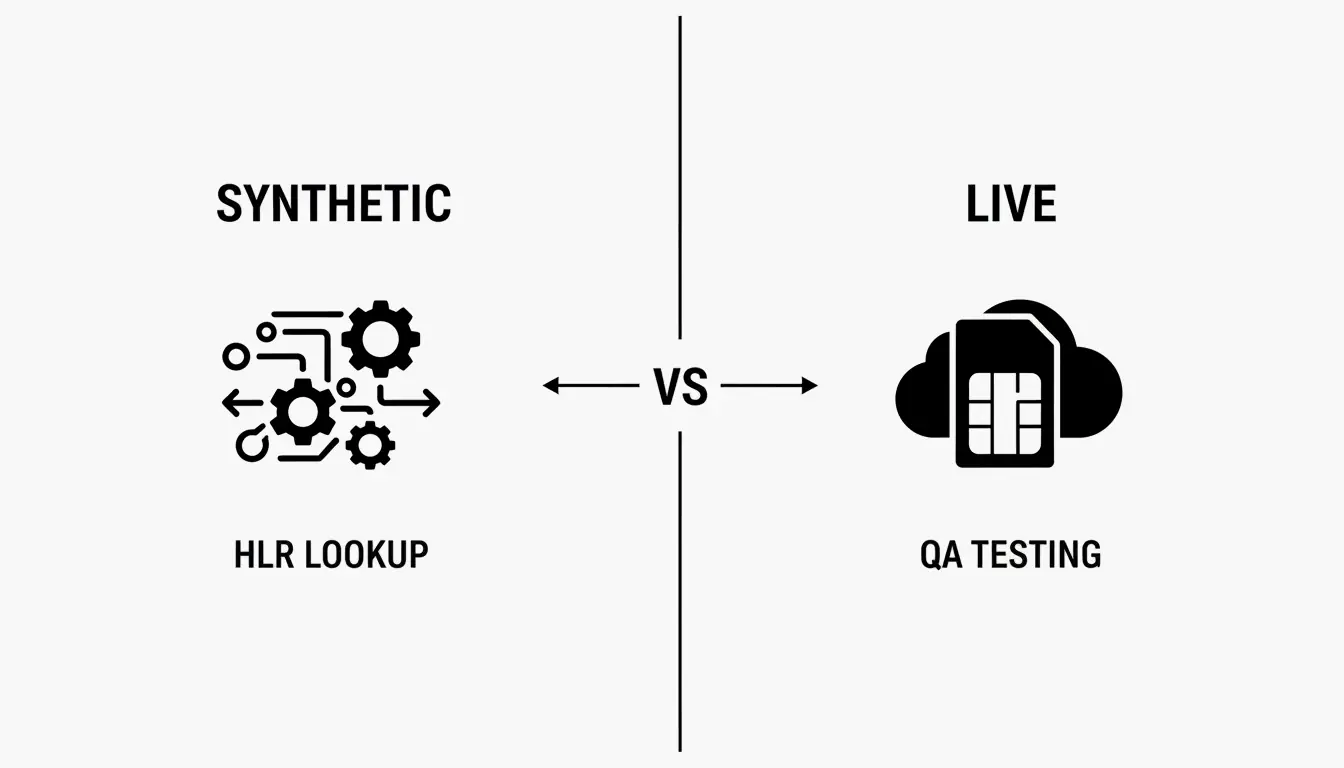
- Synthetische nummers versus live nummers: twee verschillende tools
Redactioneel proces
Beoordeeld door SectoJoy en gepubliceerd op 19 juni 2026. Dit artikel wordt vernieuwd wanneer productdetails, voorbeelden of toolbegeleiding veranderen. Laatst bijgewerkt 19 juni 2026.
SectoJoy
Ik ben een indie hacker die iOS- en webapplicaties bouwt, met een focus op het creëren van praktische SaaS-producten. Ik ben gespecialiseerd in AI SEO en onderzoek voortdurend hoe intelligente technologieën duurzame groei en efficiëntie kunnen stimuleren.
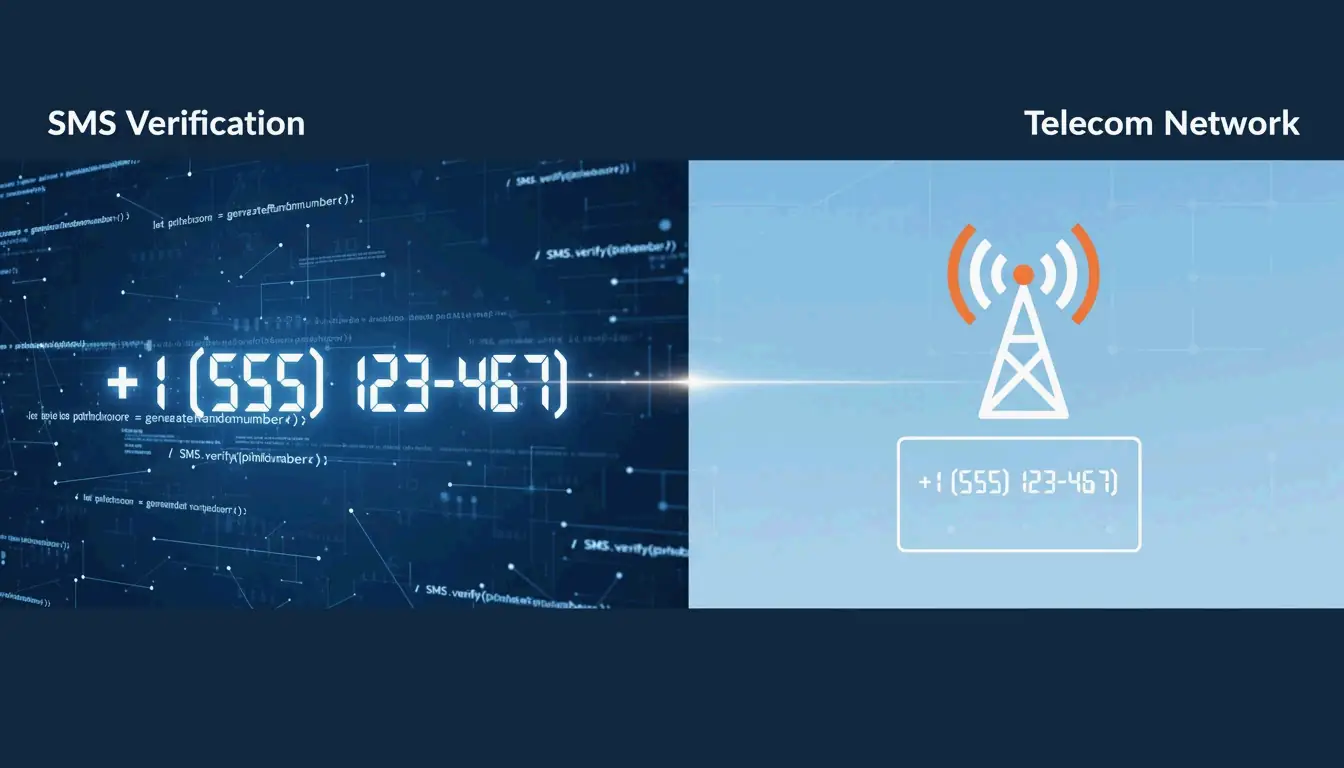
Een willekeurig telefoonnummergenerator maakt geldig uitziende synthetische nummers voor database-seeding en UI-tests — maar deze nummers kunnen geen SMS-berichten ontvangen. Voor echte verificatie (OTP-codes, accountregistraties) heb je real-time non-VoIP tijdelijke nummers nodig die verbonden zijn met mobiele infrastructuur. Deze gids behandelt beide gebruikssituaties en legt uit waarom moderne platforms synthetische nummers blokkeren.
Synthetische nummers versus live nummers: twee verschillende tools
| Property | Synthetic (Generated) | Live (Rented Non-VoIP) |
|---|---|---|
| Connected to network | No | Yes — cellular infrastructure |
| Can receive SMS/OTP | No | Yes |
| Cost | Free | Paid service |
| Best for | DB seeding, UI testing, stress tests | SMS verification, account signups |
| Format compliance | Follows NANP/E.164 rules | Real carrier-assigned number |
Zoals Quackr het verwoordt: een gegenereerd nummer is een “rekwisiet”; een verificatienummer is “infrastructuur”.
Geldige testdata genereren: E.164 en CSPRNG
De E.164-standaard
Voor wereldwijde compatibiliteit gebruik je altijd E.164-formaat: een +-teken gevolgd door landcode, netnummer en abonneenummer — zonder spaties of streepjes.
| Format | Example | Use Case |
|---|---|---|
| E.164 | +14155550100 | Machine-readable, API/database standard |
| National | (415) 555-0100 | Local display in apps |
| International | +1 415-555-0100 | Human-readable with country code |
CSPRNG voor onbevooroordeelde testdata
Gebruik een Cryptographically Secure Pseudo-Random Number Generator (CSPRNG) om voorspelbare patronen in testdatasets te voorkomen. Tools zoals Generate-Random.org gebruiken CSPRNG om ervoor te zorgen dat cijfers niet bevooroordeeld zijn, waardoor geautomatiseerde tests statistisch geldig blijven.
GadegetKit meldt dat een fintech-QA-team de opzetijd van end-to-end-scripts met 65% wist te verkorten door bulk-synthetische datasets te gebruiken in staging-omgevingen.
Codevoorbeelden voor je CI/CD-pipeline
Python — Genereer NANP-compatibele netnummers:
import secrets

area_code = str(secrets.randbelow(8) + 2)  # 2-9
exchange = str(secrets.randbelow(800) + 200)  # 200-999
subscriber = f"{secrets.randbelow(10000):04d}"
phone = f"+1{area_code}{exchange}{subscriber}"
JavaScript — Client-side generatie met crypto.getRandomValues():
const buf = new Uint32Array(1);
crypto.getRandomValues(buf);
const areaCode = 200 + (buf[0] % 800);  // 200-999
Gereserveerde bereiken voor veilig testen
In de VS en Canada is 555-0100 tot 555-0199 specifiek gereserveerd voor fictief gebruik. Gebruik deze bereiken altijd voor documentatie en tests om te voorkomen dat je per ongeluk echte mensen benadert.
Waarom platforms verificatie blokkeren: HLR- en VoIP-filters
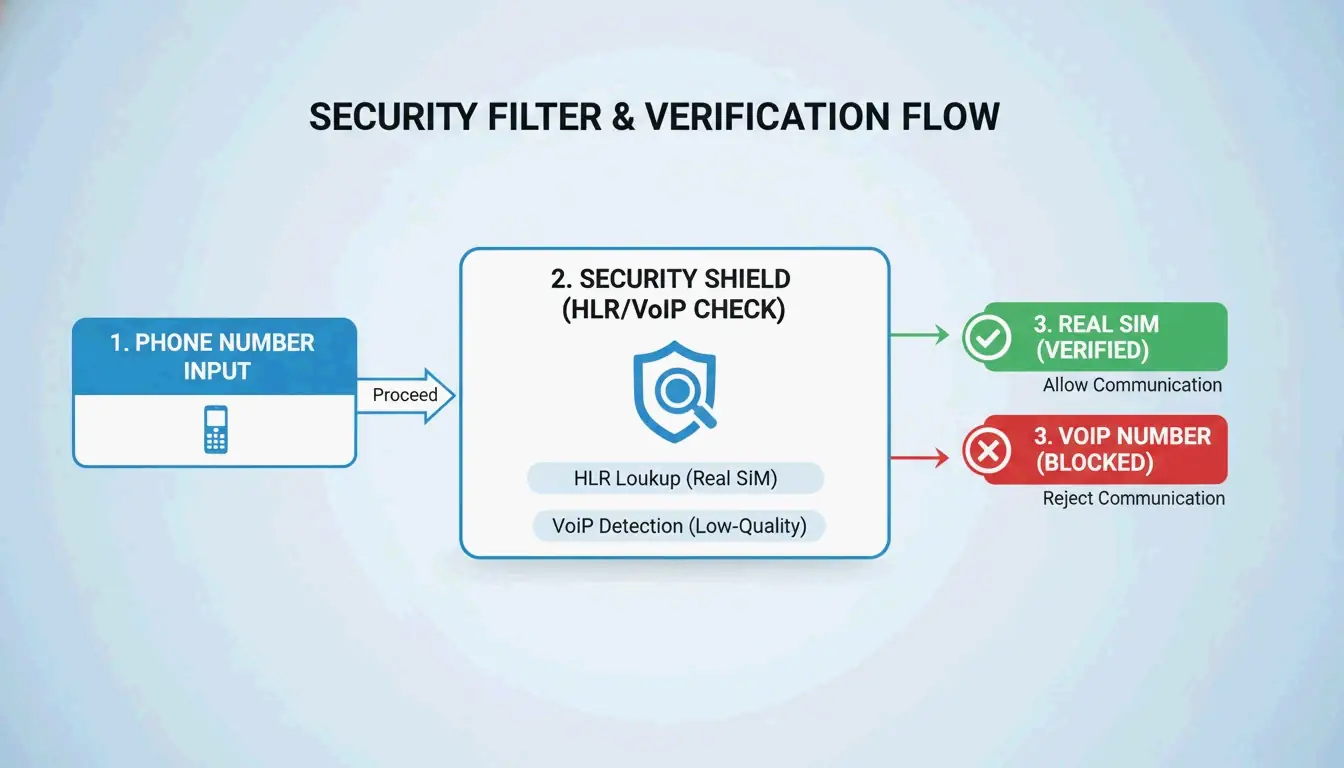
Als je ooit een gratis virtueel nummer hebt geprobeerd voor WhatsApp of Instagram en een foutmelding “ongeldig nummer” kreeg, ben je tegen een VoIP-filter aangelopen. Moderne platforms onderscheiden:
- VoIP-nummers — via het internet gerouteerd, gemakkelijk in bulk te verkrijgen, veel gebruikt voor spam
- Non-VoIP-nummers — gekoppeld aan fysieke SIM-kaarten en zendmasten, met legitieme carrier-handtekeningen
In 2026 gebruiken grote diensten HLR (Home Location Register) lookups om te verifiëren dat een nummer aan een echte abonnee is toegewezen voordat een SMS wordt verzonden. Een onderzoek uit 2023 van het IMDEA Software Institute analyseerde 70 miljoen SMS-berichten en ontdekte dat publieke Disposable Phone Number (DPN)-platforms een belangrijk fraudekanaal zijn. Daardoor vereisen sociale media- en banking-apps nu non-VoIP-mobiele nummers voor verificatie.
Database-seeding op schaal
Voor bulkdata genereren tools zoals CodeItBro regiospecifieke nummers (Ontario +1-416, Californië +1-213) en exporteren deze als CSV of JSON voor SQL-/NoSQL-databases — zo simuleer je diverse gebruikersbases zonder echte data aan te raken.
DevOps-integratie: geautomatiseerde QA-workflows
De markt voor TRNG-technologie groeit met 10,98% CAGR, met een verwachte waarde van $9,19 miljard in 2032 volgens GadegetKit. Dit weerspiegelt de vraag naar high-entropy-data in QA-omgevingen.
Best practices voor 2026
- Label synthetische data duidelijk in staging-omgevingen, zodat productiesystemen gegenereerde nummers nooit per ongeluk benaderen
- Gebruik JSON-bulkgeneratie (tot 1.000 nummers) voor geautomatiseerde regressietests
- Valideer formaatcompliance — zorg dat alle gegenereerde nummers door E.164-regex-controles komen
- Scheid testpijplijnen — synthetische data voor interne QA, gehuurde non-VoIP-nummers voor live verificatietests
Conclusie
Synthetische telefoonnummergenerators zijn essentieel voor database-seeding en UI-tests — gebruik E.164-formaat en CSPRNG voor geldige, onbevooroordeelde data. Maar ze kunnen geen SMS ontvangen. Voor echte verificatie heb je non-VoIP-mobiele nummers nodig die door HLR-controles komen. De beste aanpak voor 2026: synthetische generators voor interne QA-snelheid, gehuurde non-VoIP-nummers voor live verificatietests.
FAQ
Kan een willekeurig gegenereerd telefoonnummer een verificatiecode ontvangen?
Nee. Synthetische nummers zijn opgemaakte reeksen cijfers — ze hebben geen SIM-kaart, geen netwerkroute en geen carrier-toewijzing. Om een SMS of OTP te ontvangen, heb je een live tijdelijk nummer of non-VoIP-dienst nodig dat actief door een mobiele carrier wordt gerouteerd.
Wat is het verschil tussen E.164-, National- en International-formaten?
- E.164: Wereldwijde machine-leesbare standaard —
+14155550101(geen spaties) - National: Lokaal weergaveformaat —
(415) 555-0101in de VS - International: Mens-leesbaar met landcode —
+1 415-555-0101
Gebruik E.164 altijd voor databases en API’s.
Waarom blokkeren apps zoals WhatsApp of Instagram tijdelijke telefoonnummers?
Deze platforms gebruiken HLR-lookups en DPN-databases (Disposable Phone Number) om VoIP-handtekeningen en in bulk geregistreerde nummerbereiken te herkennen. In 2026 geven ze prioriteit aan non-VoIP-nummers die gekoppeld zijn aan fysieke mobiele infrastructuur, om spam en fraude door bots te voorkomen.
Is het legaal om valse telefoonnummers te gebruiken voor online registraties?
Synthetische nummers zijn legaal voor softwaretests, ontwerp-mockups en privacybescherming. Het is echter illegaal om ze te gebruiken om de servicevoorwaarden van een platform te overtreden, fraude te plegen of anderen te lastig te vallen. Gebruik voor tests en documentatie altijd gereserveerde bereiken (zoals 555-01XX) om te voorkomen dat je echte mensen benadert.
Veelgestelde vragen
Kan een willekeurig gegenereerd telefoonnummer een verificatiecode ontvangen?
Nee. Synthetische nummers zijn opgemaakte reeksen cijfers — ze hebben geen SIM-kaart, geen netwerkroute en geen carrier-toewijzing. Om een SMS of OTP te ontvangen, heb je een live tijdelijk nummer of non-VoIP-dienst nodig dat actief door een mobiele carrier wordt gerouteerd.
Wat is het verschil tussen E.164-, National- en International-formaten?
E.164: Wereldwijde machine-leesbare standaard — +14155550101 (geen spaties) National: Lokaal weergaveformaat — (415) 555-0101 in de VS International: Mens-leesbaar met landcode — +1 415-555-0101 Gebruik E.164 altijd voor databases en API’s.
Waarom blokkeren apps zoals WhatsApp of Instagram tijdelijke telefoonnummers?
Deze platforms gebruiken HLR-lookups en DPN-databases (Disposable Phone Number) om VoIP-handtekeningen en in bulk geregistreerde nummerbereiken te herkennen. In 2026 geven ze prioriteit aan non-VoIP-nummers die gekoppeld zijn aan fysieke mobiele infrastructuur, om spam en fraude door bots te voorkomen.
Is het legaal om valse telefoonnummers te gebruiken voor online registraties?
Synthetische nummers zijn legaal voor softwaretests, ontwerp-mockups en privacybescherming. Het is echter illegaal om ze te gebruiken om de servicevoorwaarden van een platform te overtreden, fraude te plegen of anderen te lastig te vallen. Gebruik voor tests en documentatie altijd gereserveerde bereiken (zoals 555-01XX) om te voorkomen dat je echte mensen benadert.
Gerelateerde berichten
Voorraadbeheer voor MKB: Bouw een goedkope barcode voor vaste activa in 2026
Hoe echt willekeurige getallen ontstaan: TRNG, PRNG en CSPRNG uitgelegd
Een loterijwinnaar eerlijk kiezen: de ultieme gids voor willekeurige, legale lotingen