Sejarah barcode: dari kode Morse di pasir hingga GS1 Sunrise 2027
Ringkasan Cepat
- Barcode dimulai pada 1948 ketika Norman Joseph Woodland menggambar garis terinspirasi kode Morse di pasir Florida
- Barcode dimulai pada 1948 ketika Norman Joseph Woodland menggambar garis yang terinspirasi kode Morse di pasir Florida, dipatenkan pada 1952, dan menjadi standar eceran global ketika UPC dari IBM diluncurkan p.
- Sunrise 2027: Mengapa peritel beralih ke kode 2D sekarang
Proses Editorial
Ditinjau oleh SectoJoy dan diterbitkan pada 15 Juni 2026. Artikel ini diperbarui ketika detail produk, contoh, atau panduan alat berubah. Terakhir diperbarui 15 Juni 2026.
SectoJoy
Saya seorang indie hacker yang membangun aplikasi iOS dan web, dengan fokus pada pembuatan produk SaaS yang praktis. Saya mengkhususkan diri dalam AI SEO, terus mengeksplorasi bagaimana teknologi cerdas dapat mendorong pertumbuhan dan efisiensi yang berkelanjutan.
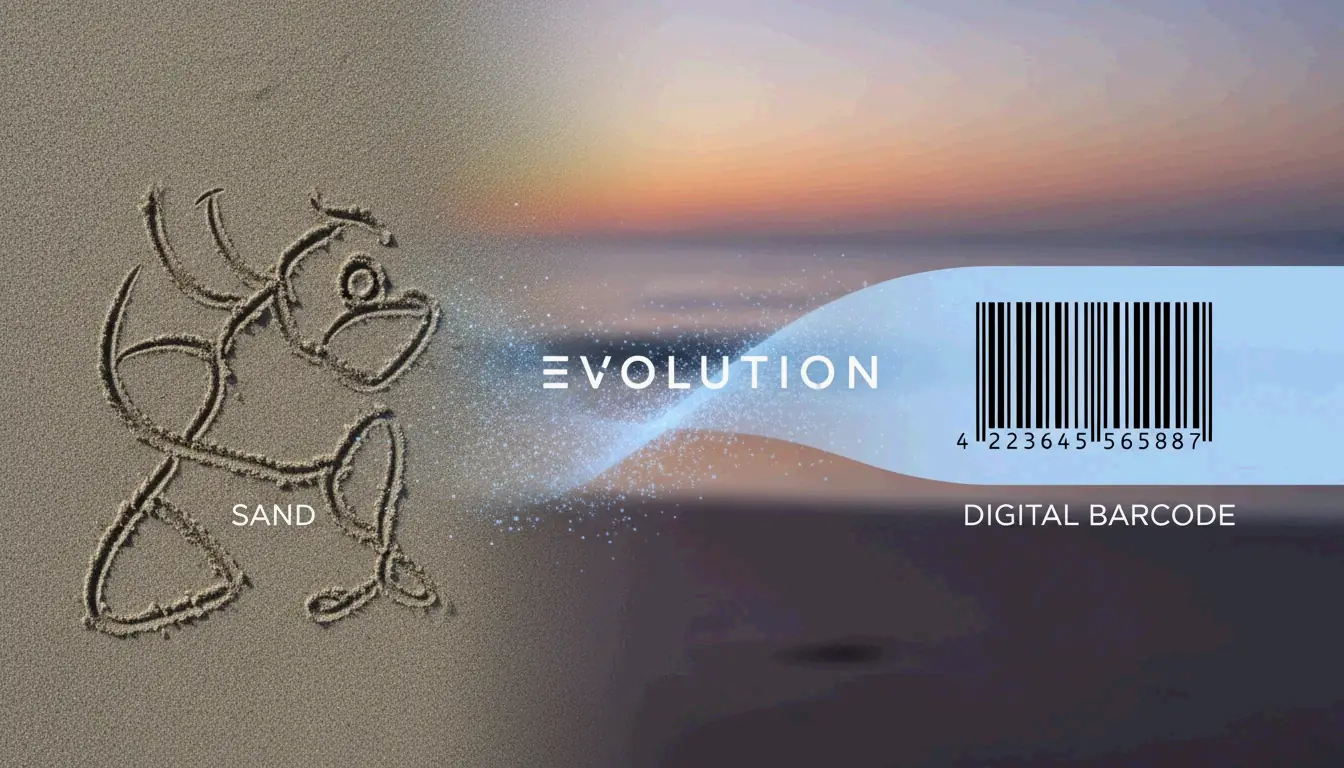
Barcode dimulai pada 1948 ketika Norman Joseph Woodland menggambar garis yang terinspirasi kode Morse di pasir Florida, dipatenkan pada 1952, dan menjadi standar eceran global ketika UPC dari IBM diluncurkan pada 1973. Saat ini, dengan lebih dari 10 miliar pemindaian per hari di seluruh dunia, industri berlomba menuju GS1 Sunrise 2027 — transisi penuh dari barcode 1D ke kode QR 2D.
Berikut adalah kisah lengkapnya, dari pantai Miami tersebut hingga pemindai Tesco.
Sunrise 2027: Mengapa peritel beralih ke kode 2D sekarang
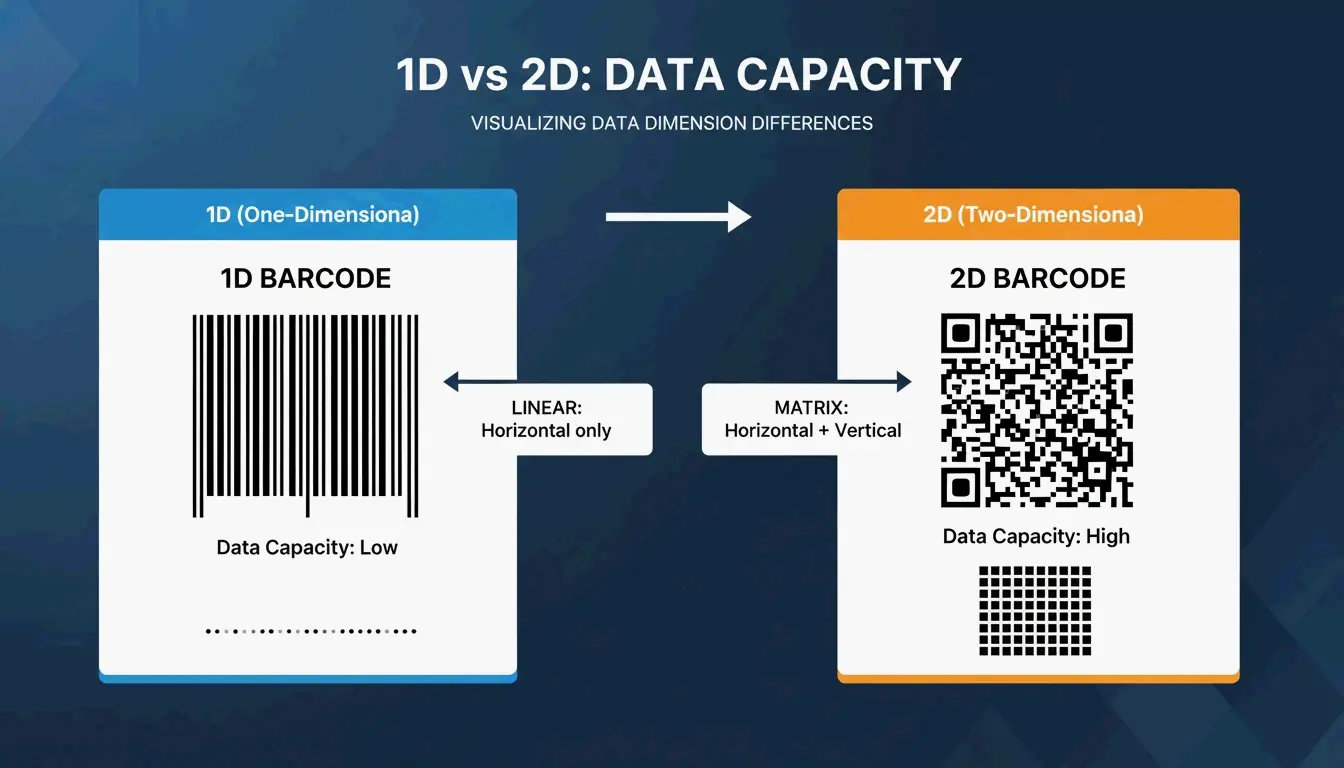
Perubahan terbesar sejak 1970-an sedang berlangsung. Barcode 1D klasik mengidentifikasi sebuah produk dan produsennya. Kode QR 2D modern dapat menyimpan tanggal kedaluwarsa, nomor batch, informasi alergen, dan tautan web — semuanya dalam satu pemindaian.
| Fitur | Barcode 1D (UPC) | Kode QR 2D |
|---|---|---|
| Kapasitas data | 20–80 karakter numerik | Hingga 4.000 karakter |
| Jenis konten | ID produk + produsen | URL, nomor batch, tanggal, gambar |
| Koreksi kesalahan | Minimal | Hingga toleransi kerusakan 30% |
| Dapat dipindai ponsel | Terbatas | Dukungan native di semua ponsel modern |
Tesco menjadi supermarket Inggris pertama yang melakukan peralihan. Pada April 2026, mereka mulai mengganti barcode dengan kode QR pada sosis merek sendiri dan produk segar. Pembeli dapat memindai satu pak dengan ponsel untuk memeriksa alergen atau menemukan resep. Toko mendapatkan pelacakan tanggal kedaluwarsa yang lebih baik guna mengurangi limbah makanan.
Asal-usul: kode Morse di pasir (1948)
Kisah ini dimulai di Drexel Institute of Technology di Philadelphia. Seorang eksekutif bahan makanan meminta seorang dekan untuk mengotomatisasi kasir. Bernard Silver kebetulan mendengar percakapan itu dan menceritakannya kepada temannya, Norman Joseph Woodland. Woodland menjadi terobsesi untuk memecahkan masalah itu.
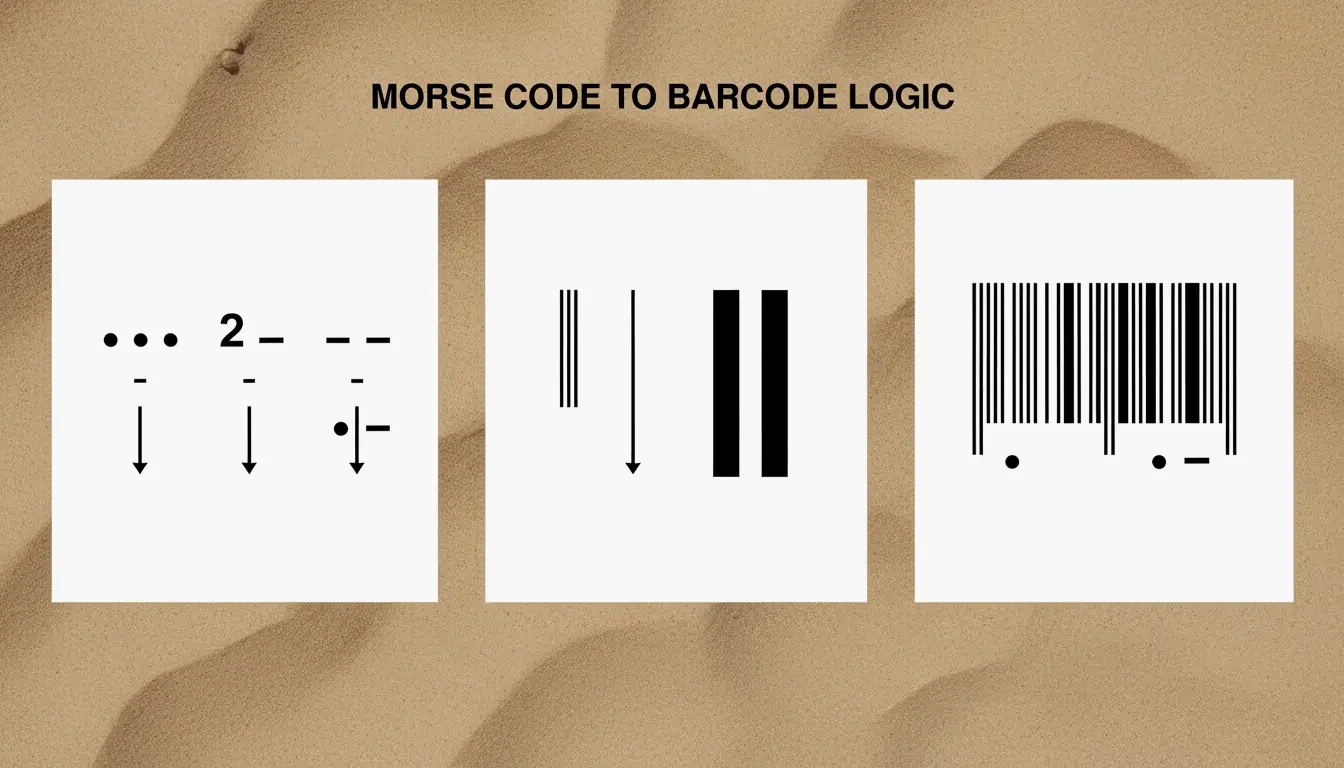
Terobosan datang di sebuah pantai Miami. Woodland, seorang mantan pramuka, sedang memikirkan kode Morse. Ia menekan jari-jarinya ke dalam pasir, menggambar titik dan strip, lalu menariknya ke bawah untuk menciptakan garis vertikal dengan lebar yang berbeda.
“Saya hanya memperpanjang titik dan strip ke bawah dan membuat garis sempit dan garis lebar darinya.” — Norman Joseph Woodland, dikutip dari Wikipedia
Desain bullseye (paten 1952)
Paten 1952 Woodland dan Silver (Paten AS 2.612.994) menggunakan “bullseye” — lingkaran konsentris yang dapat dipindai dari sudut mana pun. Masalahnya: printer berkecepatan tinggi mengoleskan tinta. Lingkaran yang teroles menjadi tidak terbaca. Garis yang teroles hanya menjadi lebih tinggi, tetapi lebar pembawa datanya tetap sama. Desain linear menang.
IBM, George Laurer, dan standar UPC (1973)
Bahkan dengan paten, teknologi barcode teronggok debu selama dua dekade. Cahaya dan komputer yang dibutuhkan untuk membaca kode terlalu mahal bagi sebagian besar toko.
Pada awal 1970-an, industri bahan makanan membentuk komite untuk memilih standar. RCA mendorong Bullseye. IBM punya ide berbeda — George Laurer, yang bekerja bersama Woodland di IBM, menyempurnakan konsep linear menjadi Universal Product Code (UPC).
Pada 3 April 1973, komite memilih desain Laurer. Lebih mudah dicetak dan lebih andal di lingkungan supermarket sungguhan yang berantakan dan berkecepatan tinggi.
Pemindaian pertama: 26 Juni 1974, 08.01
Di Marsh Supermarket di Troy, Ohio, kasir Sharon Buchanan memindai satu pak berisi 10 permen karet Wrigley’s Juicy Fruit. Harganya 69 sen. Satu “bip” itu membuktikan bahwa sistem dapat menangani barang kecil sehari-hari — dan mengubah ritel selamanya. Pak permen karet itu kini berada di Smithsonian Institution.
1D vs 2D: kapasitas data dan dampak dunia nyata
Jarak antara kode 1D dan 2D tidaklah halus.
- Barcode 1D (seperti UPC) bersifat linear. Menampung 20–80 karakter numerik — cukup untuk ID produk.
- Kode QR 2D, ditemukan oleh Denso Wave pada 1994 untuk rantai pasok Toyota, menggunakan pola grid. Mereka menyimpan hingga 4.000 karakter, termasuk URL dan data terstruktur.
Penggunaan kode QR di AS mencapai 89 juta orang pada 2022 dan terus meningkat. Seperti yang dijelaskan Peter Draper dari Tesco: “Beralih ke kode QR akan membantu kami mengurangi limbah makanan, meningkatkan kontrol stok, dan membuka manfaat digital baru bagi pelanggan kami.”
GS1 dan standar global pada 2026
GS1 mengelola Global Trade Item Number (GTIN) — memastikan barcode yang dipindai di London berarti hal yang sama di New York. Menurut data GS1, standardisasi ini telah membantu pasar pelacakan gudang tumbuh menuju perkiraan 4,5 miliar dolar pada 2033.
Pada 2026, standar-standar ini juga menyelesaikan masalah lingkungan. Karena kode 2D menyertakan tanggal kedaluwarsa, supermarket dapat secara otomatis menurunkan harga makanan yang hampir kedaluwarsa, mengurangi limbah. Dengan menghubungkan barcode dengan Internet of Things (IoT), penemuan berusia 75 tahun ini tetap menjadi tulang punggung perdagangan global.
Kesimpulan
Barcode telah melakukan perjalanan dari sketsa kode Morse di pasir Florida menuju sistem yang menangani 10 miliar pemindaian per hari. Dari paten bullseye asli Woodland dan Silver, melalui standardisasi UPC Laurer, hingga transisi kode QR yang didorong oleh GS1 Sunrise 2027 — teknologi terus beradaptasi.
Bisnis harus mengaudit pemindai dan kemasan mereka sekarang. Batas waktu 2027 berarti setiap sistem kasir harus dapat membaca kode 2D, dan setiap produk akan membawa kisah digital yang lebih kaya.
Pertanyaan yang Sering Diajukan
Siapa yang memindai barcode pertama dalam sejarah?
Sharon Buchanan, seorang kasir di Marsh Supermarket di Troy, Ohio. Peristiwa itu berlangsung pada 26 Juni 1974 pukul 08.01. Ia memindai satu pak berisi 10 permen karet Wrigley’s Juicy Fruit (harga 69 sen), yang kini dipamerkan di Smithsonian Institution.
Mengapa industri ritel beralih dari barcode 1D ke kode QR pada 2027?
Inisiatif GS1 Sunrise 2027 mewajibkan semua sistem kasir membaca barcode 2D. Kode QR menyimpan jauh lebih banyak data daripada kode 1D — tanggal kedaluwarsa, nomor batch, informasi keberlanjutan — yang meningkatkan keamanan pangan, mengurangi limbah, dan memungkinkan keterlibatan konsumen berbasis ponsel pintar.
Bagaimana kode Morse memengaruhi desain barcode awal?
Norman Joseph Woodland, seorang pramuka yang mahir kode Morse, duduk di sebuah pantai Miami pada 1948 merenungkan cara merepresentasikan data secara visual. Ia menggambar titik dan strip di pasir, lalu menariknya ke bawah untuk menciptakan garis vertikal dengan lebar bervariasi. Terjemahan visual kode Morse ini menjadi logika dasar dari semua barcode linear.
Pertanyaan yang Sering Diajukan
Siapa yang memindai barcode pertama dalam sejarah?
Sharon Buchanan, seorang kasir di Marsh Supermarket di Troy, Ohio. Peristiwa itu berlangsung pada 26 Juni 1974 pukul 08.01. Ia memindai satu pak berisi 10 permen karet Wrigley’s Juicy Fruit (harga 69 sen), yang kini dipamerkan di Smithsonian Institution.
Mengapa industri ritel beralih dari barcode 1D ke kode QR pada 2027?
Inisiatif GS1 Sunrise 2027 mewajibkan semua sistem kasir membaca barcode 2D. Kode QR menyimpan jauh lebih banyak data daripada kode 1D — tanggal kedaluwarsa, nomor batch, informasi keberlanjutan — yang meningkatkan keamanan pangan, mengurangi limbah, dan memungkinkan keterlibatan konsumen berbasis ponsel pintar.
Bagaimana kode Morse memengaruhi desain barcode awal?
Norman Joseph Woodland, seorang pramuka yang mahir kode Morse, duduk di sebuah pantai Miami pada 1948 merenungkan cara merepresentasikan data secara visual. Ia menggambar titik dan strip di pasir, lalu menariknya ke bawah untuk menciptakan garis vertikal dengan lebar bervariasi. Terjemahan visual kode Morse ini menjadi logika dasar dari semua barcode linear.
Artikel Terkait
Generator Font: Peta Lengkap Teks Bergaya di Tahun 2026
Generator Font Estetik: Panduan Utama untuk Teks Unicode Stylish
Generator Font Kaligrafi: Alat Online Gratis untuk Gaya Teks Elegan