Generador de números aleatorios: la guía definitiva para elecciones justas
Resumen rápido
- Elegir un número al azar parece sencillo, pero hacerlo de forma verdaderamente justa, verificable y fiable exige más que pulsar un botón de «aleatorizar».
- El marco de equidad de 2026: cómo preparar un sorteo aleatorio
- CSPRNG frente a PRNG: por qué importa
Proceso editorial
Revisado por SectoJoy y publicado el 21 de junio de 2026. Actualizamos este artículo cuando cambian los detalles del producto, los ejemplos o la guía de la herramienta. Última actualización: 21 de junio de 2026.
SectoJoy
Soy un desarrollador independiente que crea aplicaciones iOS y web, enfocado en productos SaaS prácticos. Me especializo en SEO con IA, explorando constantemente cómo las tecnologías inteligentes pueden impulsar el crecimiento sostenible y la eficiencia.
Elegir un número al azar parece sencillo, pero hacerlo de forma verdaderamente justa, verificable y fiable exige más que pulsar un botón de «aleatorizar». En 2026, realizar un sorteo digital justo implica usar el algoritmo adecuado (CSPRNG), los ajustes correctos (modo único) y ofrecer una prueba transparente del resultado.
Esta guía aborda el marco práctico para una selección digital sin sesgos, desde rifas y elecciones en el aula hasta sorteos corporativos y simulaciones.
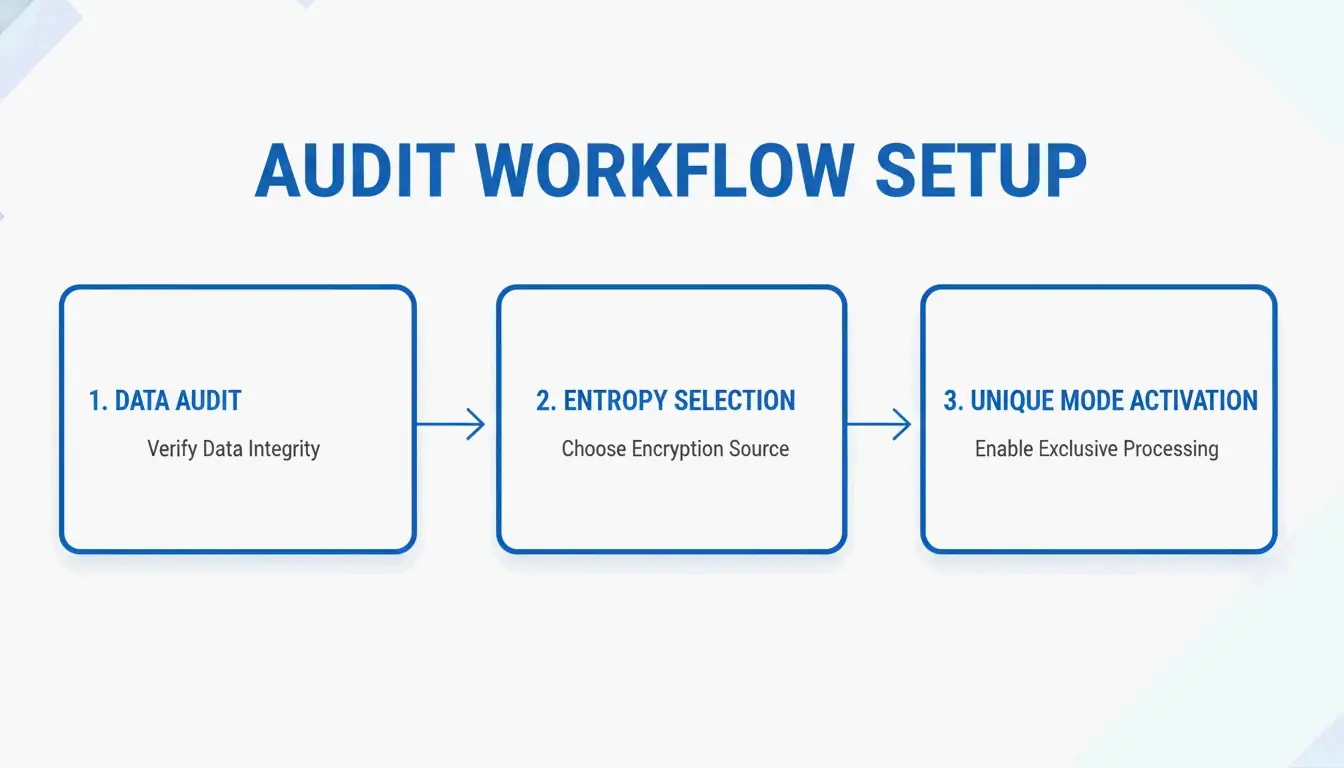
El marco de equidad de 2026: cómo preparar un sorteo aleatorio
Según Wheel of Names, estas herramientas tienen una demanda masiva: la plataforma registró más de 462 millones de tiradas de ruleta en 2026. A esa escala, mantener la equidad exige una configuración estructurada.
Paso 1: elige tu modo
| Modo | Ideal para | Característica clave |
|---|---|---|
| Modo entero | Rifas, sorteos, elecciones en el aula | Admite el «Modo único» (Unique Mode): evita selecciones duplicadas |
| Modo decimal | Simulaciones, pruebas de probabilidad | Precisión de hasta 10 decimales (MyClickTools) |
Paso 2: lista de comprobación previa al sorteo
Antes de pulsar «generar», revisa esta lista:
- Revisa tu lista de participantes — Elimina los duplicados accidentales de tus datos.
- Elige una fuente de entropía segura — Prefiere el modo «Seguro (criptográfico)» frente al
Math.randombásico. Herramientas como GadgetKit te permiten alternar entre modos rápido y seguro. - Activa el Modo único — Para los sorteos, desactiva «Permitir duplicados» (Allow Duplicates). Una buena herramienta debería avisarte si intentas elegir 11 ganadores únicos de un grupo de 10.
- Elige la ordenación — Decide si los resultados se muestran de forma aleatoria u ordenada (ascendente/descendente) para facilitar la auditoría.
CSPRNG frente a PRNG: por qué importa
La mayoría cree que todos los botones de «azar» funcionan igual. No es así. Como dijo el informático John von Neumann en 1951:
«Quien considere los métodos aritméticos para producir dígitos aleatorios está, por supuesto, en estado de pecado».
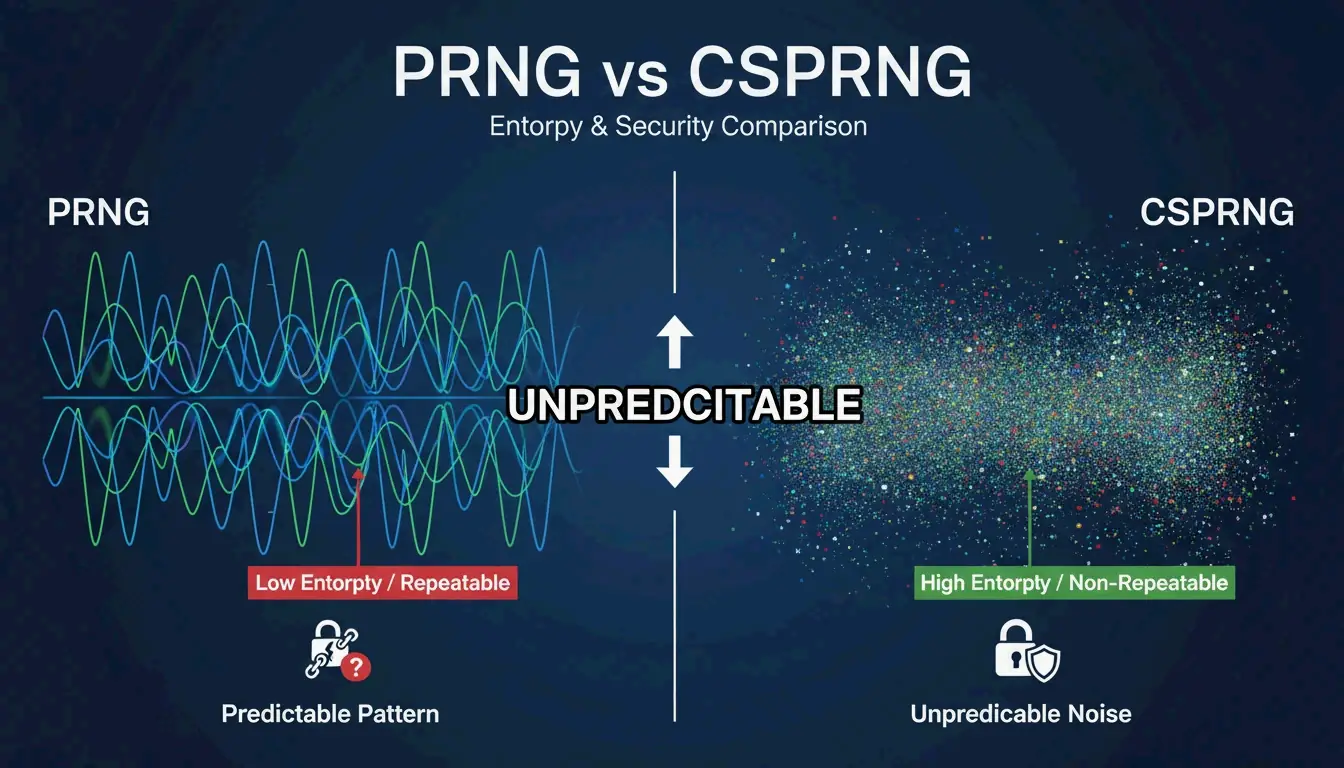
| Característica | PRNG (p. ej., Mersenne Twister) | CSPRNG |
|---|---|---|
| Predictibilidad | Predecible si se conoce la semilla | Imposible de predecir |
| Fuente de entropía | Fórmula matemática | Tiempos de hardware, movimientos del ratón, eventos del sistema |
| Estándar | Válido para simulaciones | Requerido por NIST SP 800-90A para sorteos de alto riesgo |
| Ejemplo | Math.random() |
crypto.getRandomValues() |
Lo que está en juego es real
Un caso histórico implicó un fraude de lotería de 16,5 millones de dólares en el que un infiltrado manipuló un ordenador RNG seguro para que los números ganadores fueran predecibles. Las herramientas modernas como Wheel of Names evitan esto usando crypto.getRandomValues() en lugar de Math.random().
Selección ponderada: cuando no todos tienen las mismas probabilidades
La selección ponderada permite que ciertos participantes tengan más posibilidades manteniendo el resultado final aleatorio; por ejemplo, dar entradas extra a los miembros VIP en un sorteo. Según YesOrNoWheelPicker, la clave es ser 100 % transparente con las normas antes del sorteo.
Al anunciar los resultados, sé claro:
«Para premiar a los miembros más activos de nuestra comunidad, este sorteo utilizó un proceso de selección ponderada. Todos tuvieron la posibilidad de ganar, pero quienes estaban en nuestro “Nivel de lealtad” recibieron [X] entradas adicionales. La selección final se procesó mediante un algoritmo CSPRNG para garantizar que fuera totalmente aleatoria e imparcial».
| Tipo de selección | Cómo funciona | Cuándo usarla |
|---|---|---|
| Estándar | Todos tienen las mismas probabilidades (1 de N) | Rifas sencillas, elecciones en el aula |
| Ponderada | Algunas entradas reciben más «boletos» | Recompensas por fidelidad, sorteos por niveles |
Si utilizas sorteos ponderados, divulga las reglas de ponderación con antelación; de lo contrario, los participantes perderán la confianza.
Cumplimiento y privacidad de datos (2026)
Equidad y privacidad van de la mano. Si manejas datos de participantes, se aplican los requisitos del GDPR y la CCPA. Las mejores plataformas usan generación en el lado del cliente: los números aleatorios se crean en tu navegador y nunca se envían a un servidor.
Verificación pública frente a protección de datos
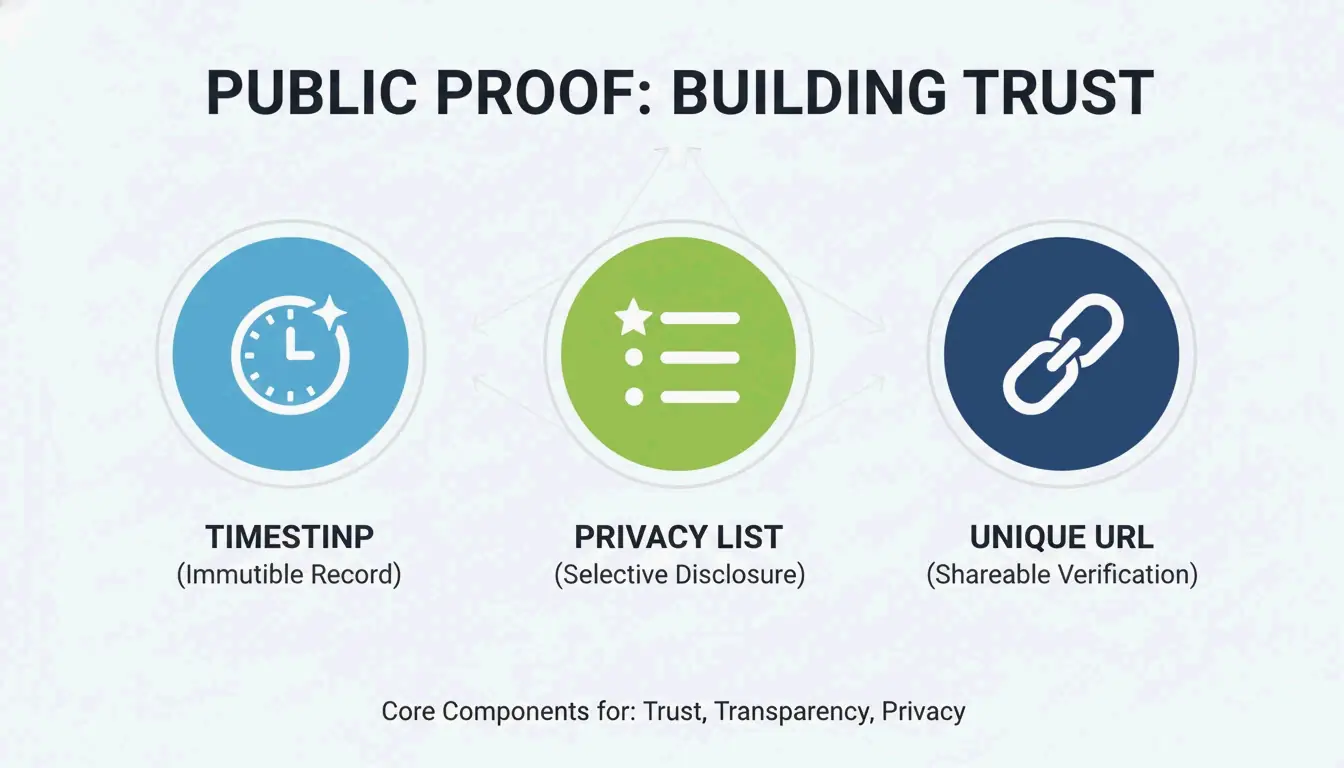
Un estudio de RandomPicker recomienda usar Páginas de prueba pública (Public Proof Pages): registros permanentes que muestran:
| Elemento de prueba | Qué muestra |
|---|---|
| Marca de tiempo | Fecha y hora exactas del sorteo |
| Lista de entradas redactada | Correos electrónicos enmascarados (p. ej., j***@email.com): auditable sin exponer información privada |
| URL única | Demuestra que los resultados no se modificaron ni se eliminaron a posteriori |
Conclusión
La equidad en la selección digital se reduce a tres cosas:
- El algoritmo adecuado — CSPRNG para cualquier sorteo que involucre premios o dinero
- Los ajustes correctos — Modo único para evitar duplicados, fuente de entropía segura
- Transparencia clara — Páginas de prueba pública con marcas de tiempo y listas redactadas
En 2026, «fíate de mí» ya no sirve. Necesitas mostrar tu trabajo con registros con marca de tiempo, herramientas compatibles con el NIST y páginas de prueba verificables. Ya sea eligiendo a un estudiante en un aula o realizando un gran sorteo, se aplican los mismos estándares.
Preguntas frecuentes
¿Es Math.random() suficientemente justo para un sorteo de alto riesgo?
No. Math.random() es un PRNG que, técnicamente, puede predecirse. Para cualquier sorteo que involucre premios o dinero, usa una herramienta basada en CSPRNG (como crypto.getRandomValues()) para garantizar que los resultados sean verdaderamente impredecibles.
¿Cómo elijo un ganador de una lista sin sesgo manual?
Usa una herramienta de «aleatorizador de listas» o «generador de ganadores». Pega tus nombres, activa el Modo único y ejecuta el sorteo. Para máxima confianza, graba la pantalla durante el proceso y comparte un enlace de resultados con marca de tiempo o una página de prueba pública.
¿Cuál es la diferencia entre la selección aleatoria estándar y la ponderada?
Estándar: todos tienen las mismas probabilidades (1 de N). Ponderada: ciertas entradas obtienen más oportunidades (p. ej., un VIP recibe 5 entradas en lugar de 1). Si usas selección ponderada, debes divulgar las normas antes del sorteo para que todos los participantes entiendan cómo funciona.
Preguntas frecuentes
¿Es Math.random() suficientemente justo para un sorteo de alto riesgo?
No. Math.random() es un PRNG que, técnicamente, puede predecirse. Para cualquier sorteo que involucre premios o dinero, usa una herramienta basada en CSPRNG (como crypto.getRandomValues()) para garantizar que los resultados sean verdaderamente impredecibles.
¿Cómo elijo un ganador de una lista sin sesgo manual?
Usa una herramienta de «aleatorizador de listas» o «generador de ganadores». Pega tus nombres, activa el Modo único y ejecuta el sorteo. Para máxima confianza, graba la pantalla durante el proceso y comparte un enlace de resultados con marca de tiempo o una página de prueba pública.
¿Cuál es la diferencia entre la selección aleatoria estándar y la ponderada?
Estándar: todos tienen las mismas probabilidades (1 de N). Ponderada: ciertas entradas obtienen más oportunidades (p. ej., un VIP recibe 5 entradas en lugar de 1). Si usas selección ponderada, debes divulgar las normas antes del sorteo para que todos los participantes entiendan cómo funciona.
Artículos Relacionados

Generador de Fuentes: El Mapa Completo del Texto con Estilo en 2026
Generador de fuentes estéticas: la guía definitiva para texto Unicode con estilo

Generador de fuentes de caligrafía: herramienta online gratuita para estilos de texto elegantes