مولّد الأرقام العشوائية: الدليل الشامل للاختيارات العادلة
ملخص سريع
- اختيار رقم عشوائي يبدو بسيطاً، لكن القيام بذلك بطريقة عادلة وقابلة للتحقق وموثوقة يتطلب أكثر من مجرد النقر على زر “عشوائي”.
- اختيار رقم عشوائي يبدو بسيطاً، لكن القيام بذلك بطريقة عادلة وقابلة للتحقق وموثوقة حقاً يتطلب أكثر من مجرد النقر على زر “عشوائي”.
- إطار العدالة لعام 2026: إعداد سحب عشوائي
عملية التحرير
تمت المراجعة بواسطة SectoJoy ونشرت على 21 يونيو 2026. يتم تحديث هذه المقالة عند تغيير تفاصيل المنتج أو الأمثلة أو إرشادات الأداة. آخر تحديث 21 يونيو 2026.
SectoJoy
أنا متسلل مستقل أقوم ببناء تطبيقات iOS وتطبيقات الويب، مع التركيز على إنشاء منتجات SaaS عملية. أنا متخصص في تحسين محركات البحث باستخدام الذكاء الاصطناعي، وأستكشف باستمرار كيف يمكن للتقنيات الذكية أن تقود النمو المستدام والكفاءة.
اختيار رقم عشوائي يبدو بسيطاً، لكن القيام بذلك بطريقة عادلة وقابلة للتحقق وموثوقة حقاً يتطلب أكثر من مجرد النقر على زر “عشوائي”. في عام 2026، يتطلب إجراء سحب رقمي عادل استخدام الخوارزمية الصحيحة (CSPRNG)، والإعدادات الصحيحة (وضع التفرد)، وتقديم إثبات شفاف للنتيجة.
يغطي هذا الدليل الإطار العملي للاختيار الرقمي غير المتحيز، بدءاً من السحوبات واختيارات الفصول الدراسية وصولاً إلى الهدايا المؤسسية والمحاكاة.
إطار العدالة لعام 2026: إعداد سحب عشوائي
وفقاً لـ Wheel of Names، تشهد هذه الأدوات طلباً هائلاً؛ فقد سجّلت المنصة أكثر من 462 مليون دورة عجلة في عام 2026 وحده. عند هذا الحجم، يتطلب الحفاظ على العدالة إعداداً منظماً.
الخطوة 1: اختر وضعك
| الوضع | الأنسب لـ | الميزة الرئيسية |
|---|---|---|
| الوضع الصحيح (Integer mode) | السحوبات، الهدايا، الاختيارات الصفية | يدعم “وضع التفرد (Unique Mode)” — يمنع الاختيارات المكررة |
| الوضع العشري (Decimal mode) | المحاكاة، اختبار الاحتمالات | دقة تصل إلى 10 منازل عشرية (MyClickTools) |
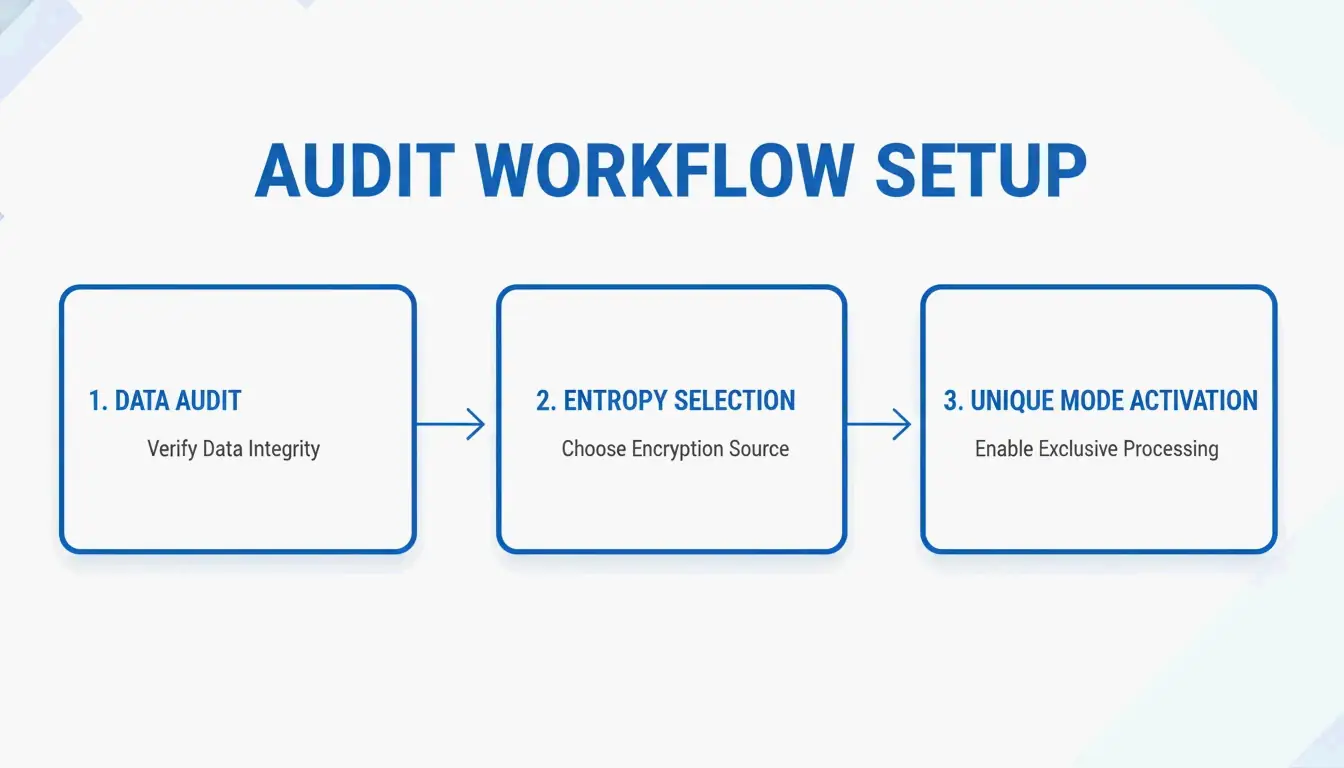
الخطوة 2: قائمة التدقيق قبل السحب
قبل النقر على “توليد”، راجع قائمة التدقيق التالية:
- تحقق من قائمة المشاركين — احذف التكرارات العرضية من بياناتك.
- اختر مصدر إنتروبيا آمناً — اختر وضع “آمن (تشفير)” بدلاً من
Math.randomالأساسي. تتيح لك أدوات مثل GadgetKit التبديل بين الوضع السريع والآمن. - فعّل وضع التفرد — بالنسبة للهدايا، عطّل “السماح بالتكرار”. يجب أن تنبّهك الأداة الجيدة إذا حاولت اختيار 11 فائزاً فريداً من مجموعة تضم 10 فقط.
- اختر الترتيب — قرّر ما إذا كانت النتائج تُعرض عشوائياً أو مرتّبة (تصاعدي/تنازلي) لتسهيل التدقيق.
CSPRNG مقابل PRNG: لماذا يهمّ الأمر
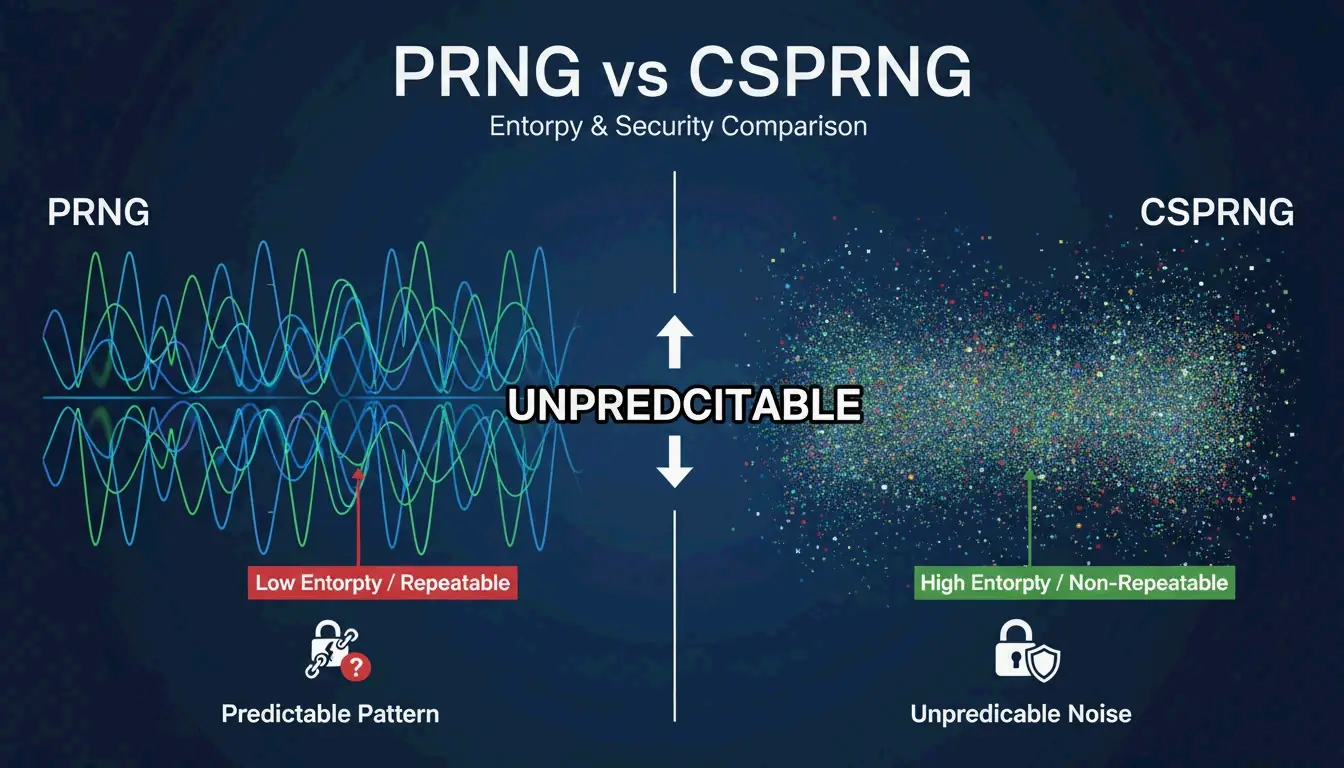
يعتقد معظم الناس أن جميع أزرار “العشوائي” تعمل بنفس الطريقة. وهذا غير صحيح. كما قال عالم الحاسوب John von Neumann بشكل شهير في عام 1951:
“أي شخص يفكر في الطرق الحسابية لإنتاج أرقام عشوائية هو، بطبيعة الحال، في حالة من الإثم.”
| الميزة | PRNG (مثل Mersenne Twister) | CSPRNG |
|---|---|---|
| القابلية للتنبؤ | يمكن التنبؤ به إذا عُرفت البذرة | مستحيل التنبؤ به |
| مصدر الإنتروبيا | صيغة رياضية | توقيتات الأجهزة، حركات الماوس، أحداث النظام |
| المعيار | مناسب للمحاكاة | مطلوب بموجب NIST SP 800-90A للسحوبات ذات المخاطر العالية |
| مثال | Math.random() |
crypto.getRandomValues() |
المخاطر حقيقية
تضمّنت قضية تاريخية احتيال لوتيري بقيمة 16.5 مليون دولار حيث عبث أحد الموظفين الداخليين بحاسوب RNG آمن لجعل الأرقام الفائزة قابلة للتنبؤ. تمنع الأدوات الحديثة مثل Wheel of Names ذلك باستخدام crypto.getRandomValues() بدلاً من Math.random().
الاختيار الموزون: عندما لا يتمتع الجميع بفرص متساوية
يتيح الاختيار الموزون لبعض المشاركين الحصول على فرص أفضل مع الحفاظ على عشوائية النتيجة النهائية، على سبيل المثال منح الأعضاء المميزين (VIP) مشاركات إضافية في السحب. وفقاً لـ YesOrNoWheelPicker، فإن المفتاح هو الشفافية بنسبة 100% بشأن القواعد قبل السحب.
عند الإعلان عن النتائج، كن واضحاً:
“لتكريم أكثر أعضاء مجتمعنا نشاطاً، استخدم هذا السحب عملية اختيار موزونة. كان لدى الجميع فرصة للفوز، لكن أولئك الموجودين في “الفئة المخلصة” حصلوا على [X] مشاركات إضافية. تمت معالجة الاختيار النهائي عبر خوارزمية CSPRNG لضمان أن يكون عشوائياً تماماً وغير متحيز.”
| نوع الاختيار | كيف يعمل | متى يُستخدم |
|---|---|---|
| قياسي | الجميع لديه فرص متساوية (1 من N) | السحوبات البسيطة، الاختيارات الصفية |
| موزون | بعض المشاركات تحصل على “تذاكر” أكثر | مكافآت الولاء، الهدايا متعددة المستويات |
إذا استخدمت السحوبات الموزونة، افصح عن قواعد التوزيع مسبقاً وإلا سيفقد المشاركون الثقة.
الامتثال وخصوصية البيانات (2026)
تسير العدالة والخصوصية جنباً إلى جنب. إذا كنت تتعامل مع بيانات المشاركين، فإن متطلبات GDPR و CCPA تنطبق. تستخدم أفضل المنصات التوليد من جانب العميل؛ حيث يتم إنشاء الأرقام العشوائية في متصفحك ولا تُرسل أبداً إلى خادم.
التحقق العام مقابل حماية البيانات
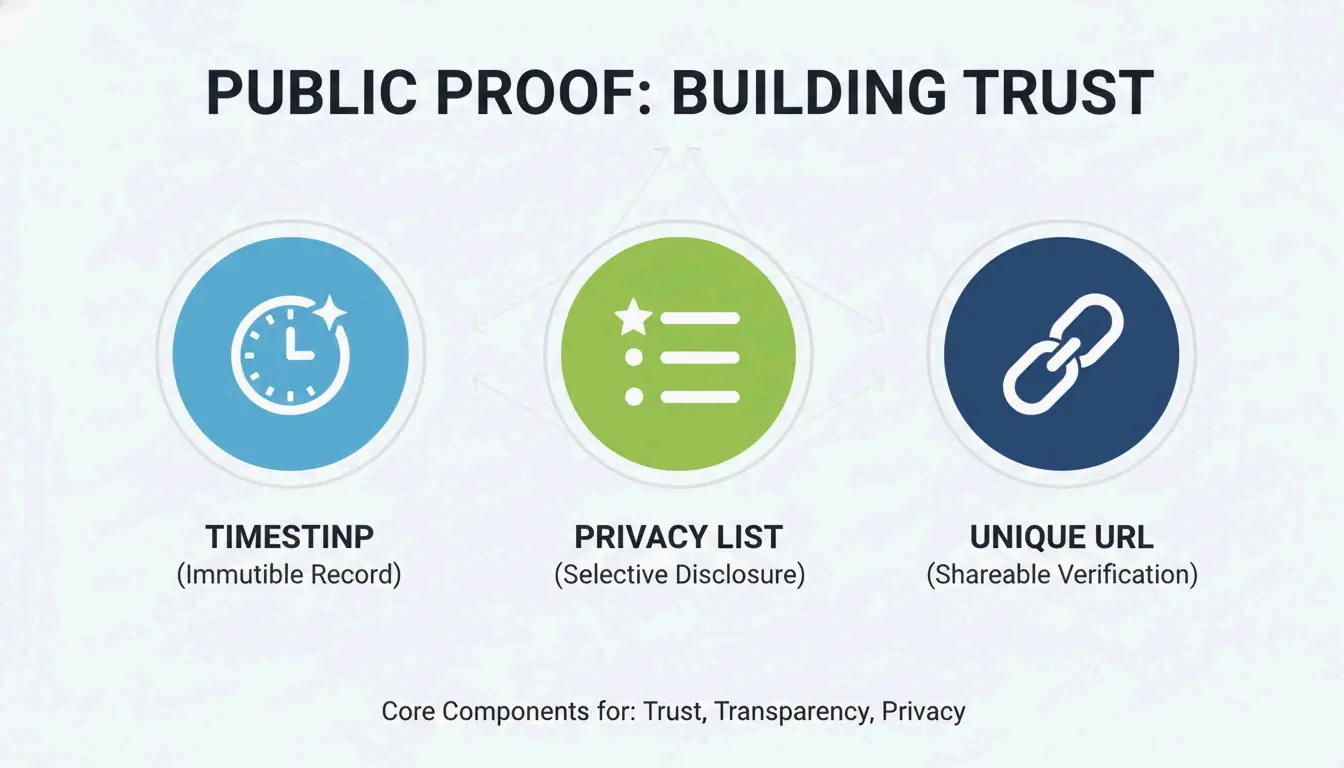
توصي دراسة من RandomPicker باستخدام صفحات الإثبات العامة؛ وهي سجلات دائمة تُظهر:
| عنصر الإثبات | ما يُظهره |
|---|---|
| الطابع الزمني | التاريخ والوقت الدقيقان للسحب |
| قائمة المشاركين المنقّحة | رسائل البريد الإلكتروني للمشاركين مقنّعة (مثال: j***@email.com) — قابلة للتدقيق دون كشف معلومات خاصة |
| رابط فريد | يثبت أن النتائج لم تُغيَّر أو تُحذف بعد وقوعها |
الخلاصة
تتوقف عدالة الاختيار الرقمي على ثلاثة أمور:
- الخوارزمية الصحيحة — CSPRNG لأي سحب يشمل جوائز أو أموالاً
- الإعدادات الصحيحة — وضع التفرد لمنع التكرار، ومصدر إنتروبيا آمن
- شفافية واضحة — صفحات إثبات عامة مع طوابع زمنية وقوائم مشاركين منقّحة
في عام 2026، لم يعد “ثق بي” مقبولاً. تحتاج إلى إظهار عملك من خلال سجلات مؤرّخة بزمن، وأدوات متوافقة مع NIST، وصفحات إثبات قابلة للتحقق. سواء كنت تختار طالباً في فصل دراسي أو تدير هدية كبرى، فإن المعايير نفسها تنطبق.
الأسئلة الشائعة
هل Math.random() عادل بما يكفي لسحب عالي المخاطر؟
لا. Math.random() هو PRNG يمكن من الناحية الفنية التنبؤ به. لأي سحب يشمل جوائز أو أموالاً، استخدم أداة مبنية على CSPRNG (مثل crypto.getRandomValues()) لضمان أن تكون النتائج غير متوقعة فعلاً.
كيف أختار فائزاً من قائمة دون تحيّز يدوي؟
استخدم أداة “عشوائية القوائم” أو “مولّد الفائزين”. الصق الأسماء، فعّل وضع التفرد، وقم بإجراء السحب. للحصول على أقصى ثقة، سجّل شاشتك أثناء العملية وشارك رابط نتائج مؤرّخ بزمن أو صفحة إثبات عامة.
ما الفرق بين الاختيار العشوائي القياسي والموزون؟
قياسي: الجميع لديه فرص متساوية (1 من N). موزون: بعض المشاركات تحصل على فرص أكثر (مثلاً، عضو VIP يحصل على 5 مشاركات بدلاً من 1). إذا استخدمت الاختيار الموزون، يجب أن تفصح عن القواعد قبل السحب حتى يفهم جميع المشاركين كيف يعمل.
المشاركات ذات الصلة
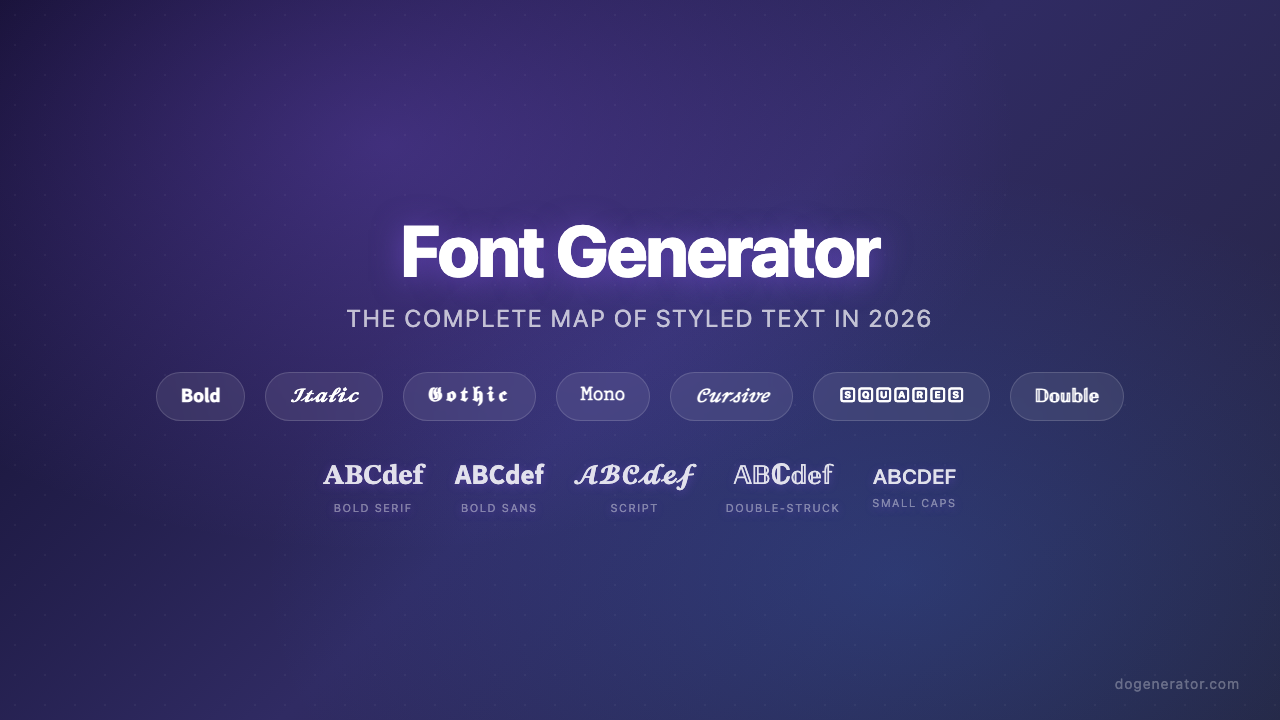
مولّد الخطوط: الخريطة الكاملة للنصوص المصمّمة في 2026
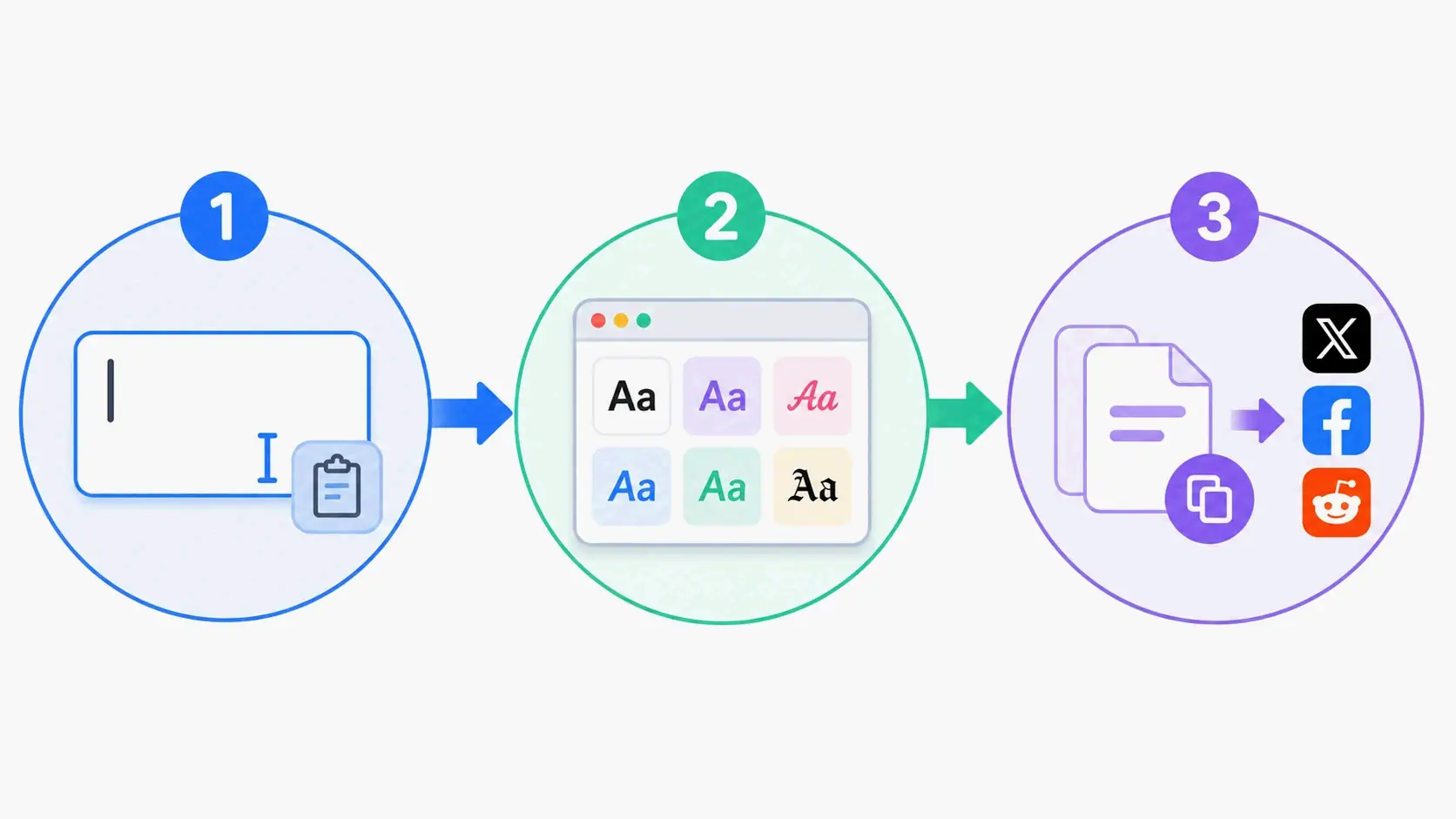
مولّد الخطوط الجمالية: الدليل الشامل لنصوص Unicode الأنيقة

مولّد خطوط الخط العربي: أداة مجانية عبر الإنترنت لأنماط نصوص أنيقة