Generator Angka Acak: Panduan Utama untuk Pilihan yang Adil
Ringkasan Cepat
- Memilih angka acak terdengar sederhana — tetapi melakukannya dengan benar-benar adil, dapat diverifikasi, dan tepercaya membutuhkan lebih dari sekadar menekan tombol “acak”. Pelajari kerangka kerja 2026 untuk undian digital yang tidak bias.
- Memilih angka acak terdengar sederhana — tetapi melakukannya dengan benar-benar adil, dapat diverifikasi, dan tepercaya membutuhkan lebih dari sekadar menekan tombol “acak”.
- Kerangka Kerja Keadilan 2026: Menyiapkan Sebuah Undian Acak
Proses Editorial
Ditinjau oleh SectoJoy dan diterbitkan pada 21 Juni 2026. Artikel ini diperbarui ketika detail produk, contoh, atau panduan alat berubah. Terakhir diperbarui 21 Juni 2026.
SectoJoy
Saya seorang indie hacker yang membangun aplikasi iOS dan web, dengan fokus pada pembuatan produk SaaS yang praktis. Saya mengkhususkan diri dalam AI SEO, terus mengeksplorasi bagaimana teknologi cerdas dapat mendorong pertumbuhan dan efisiensi yang berkelanjutan.
Memilih angka acak terdengar sederhana — tetapi melakukannya dengan benar-benar adil, dapat diverifikasi, dan tepercaya membutuhkan lebih dari sekadar menekan tombol “acak”. Pada 2026, menjalankan undian digital yang adil berarti menggunakan algoritma yang tepat (CSPRNG), pengaturan yang tepat (mode unik), dan memberikan bukti transparan atas hasilnya.
Panduan ini mencakup kerangka kerja praktis untuk pemilihan digital yang tidak bias — mulai dari arisan dan pemilihan di kelas hingga giveaway perusahaan dan simulasi.
Kerangka Kerja Keadilan 2026: Menyiapkan Sebuah Undian Acak
Menurut Wheel of Names, alat-alat ini sangat diminati — platform ini mencatat lebih dari 462 juta putaran roda pada 2026 saja. Pada skala tersebut, menjaga keadilan membutuhkan persiapan yang terstruktur.
Langkah 1: Pilih Mode Anda
| Mode | Paling Cocok Untuk | Fitur Utama |
|---|---|---|
| Mode integer | Arisan, giveaway, pemilihan di kelas | Mendukung “Mode Unik” — mencegah pemilihan ganda |
| Mode desimal | Simulasi, pengujian probabilitas | Presisi hingga 10 tempat desimal (MyClickTools) |
Langkah 2: Daftar Periksa Audit Pra-Undian
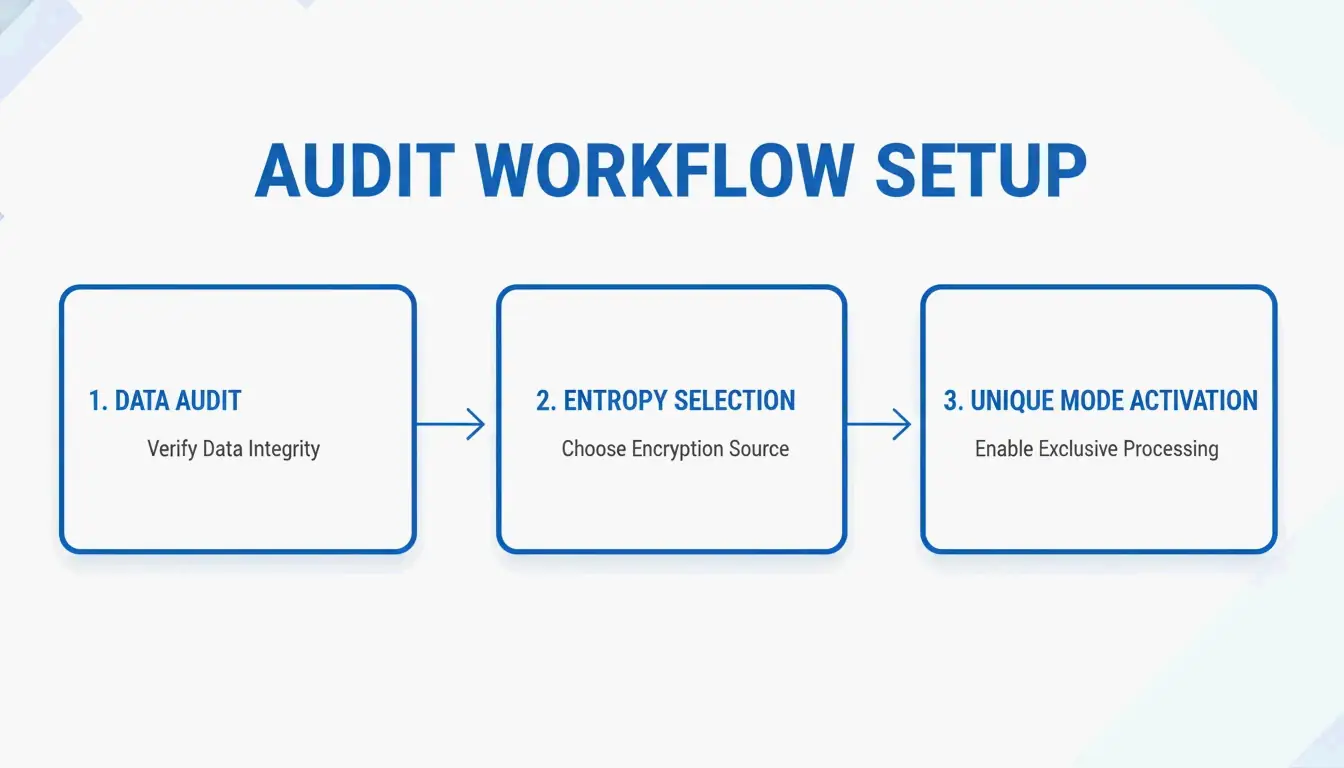
Sebelum menekan “buat,” jalankan daftar periksa ini:
- Periksa daftar entri Anda — Hapus duplikat yang tidak disengaja dari data Anda.
- Pilih sumber entropi yang aman — Pilih mode “Aman (Crypto)” daripada
Math.randomdasar. Alat seperti GadgetKit memungkinkan Anda beralih antara mode cepat dan mode aman. - Aktifkan Mode Unik — Untuk giveaway, nonaktifkan “Izinkan Duplikat.” Alat yang baik harus memperingatkan Anda jika Anda mencoba memilih 11 pemenang unik dari total 10.
- Pilih pengurutan — Putuskan apakah hasil ditampilkan secara acak atau diurutkan (menaik/menurun) untuk auditasi yang lebih mudah.
CSPRNG vs. PRNG: Mengapa Ini Penting
Kebanyakan orang mengira semua tombol “acak” bekerja dengan cara yang sama. Tidak. Seperti yang dikatakan ilmuwan komputer John von Neumann dengan terkenal pada 1951:
“Siapa pun yang mempertimbangkan metode aritmetika untuk menghasilkan angka acak, tentu saja, berada dalam keadaan berdosa.”
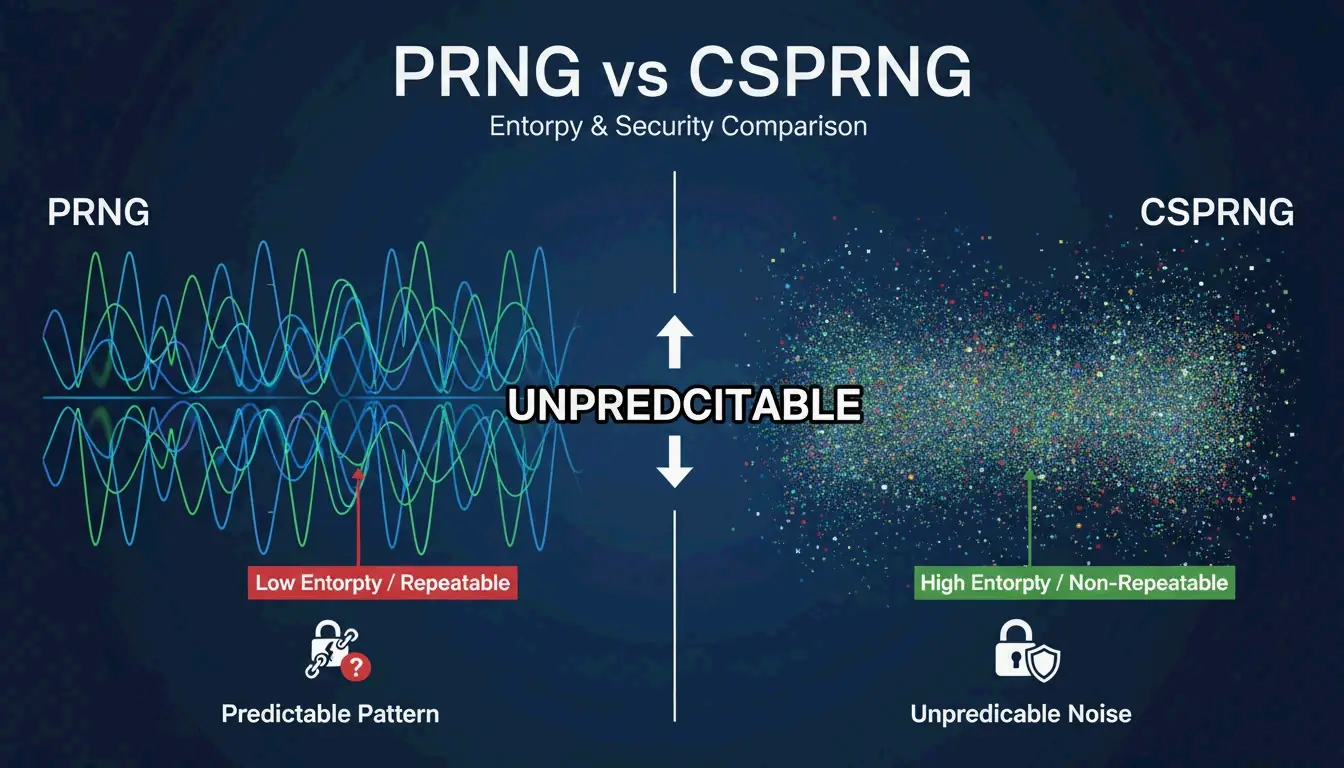
| Fitur | PRNG (mis., Mersenne Twister) | CSPRNG |
|---|---|---|
| Keterdugaan | Dapat diprediksi jika seed diketahui | Mustahil diprediksi |
| Sumber entropi | Rumus matematis | Pengaturan waktu perangkat keras, gerakan mouse, peristiwa sistem |
| Standar | Cukup untuk simulasi | Diwajibkan oleh NIST SP 800-90A untuk undian berisiko tinggi |
| Contoh | Math.random() |
crypto.getRandomValues() |
Taruhannya Nyata
Sebuah kasus historis melibatkan penipuan lotere sebesar $16,5 juta di mana orang dalam memanipulasi komputer RNG yang aman agar angka pemenang dapat diprediksi. Alat modern seperti Wheel of Names mencegah hal ini dengan menggunakan crypto.getRandomValues() alih-alih Math.random().
Pemilihan Terbobot: Saat Tidak Semua Orang Memiliki Peluang yang Sama
Pemilihan terbobot memungkinkan entri tertentu memiliki peluang lebih baik sambil menjaga hasil akhir tetap acak — misalnya, memberikan anggota VIP entri tambahan dalam undian. Menurut YesOrNoWheelPicker, kuncinya adalah 100% transparan tentang aturan sebelum undian.
Saat mengumumkan hasilnya, berikan kejelasan:
“Untuk menghargai anggota komunitas kami yang paling aktif, undian ini menggunakan proses pemilihan terbobot. Semua orang memiliki kesempatan untuk menang, tetapi mereka di ‘Tier Loyalitas’ kami menerima [X] entri tambahan. Pilihan akhir diproses melalui algoritma CSPRNG untuk memastikan sepenuhnya acak dan tidak bias.”
| Jenis Pemilihan | Cara Kerjanya | Kapan Menggunakan |
|---|---|---|
| Standar | Semua orang memiliki peluang yang sama (1 dalam N) | Arisan sederhana, pemilihan di kelas |
| Terbobot | Beberapa entri mendapat lebih banyak “tiket” | Hadia loyalitas, giveaway berjenjang |
Jika Anda menggunakan undian terbobot, ungkapkan aturan pembobotan sebelumnya — jika tidak, peserta akan kehilangan kepercayaan.
Kepatuhan dan Privasi Data (2026)
Keadilan dan privasi berjalan beriringan. Jika Anda menangani data peserta, persyaratan GDPR dan CCPA berlaku. Platform terbaik menggunakan pembuatan di sisi klien — angka acak dibuat di browser Anda dan tidak pernah dikirim ke server.
Verifikasi Publik vs. Perlindungan Data
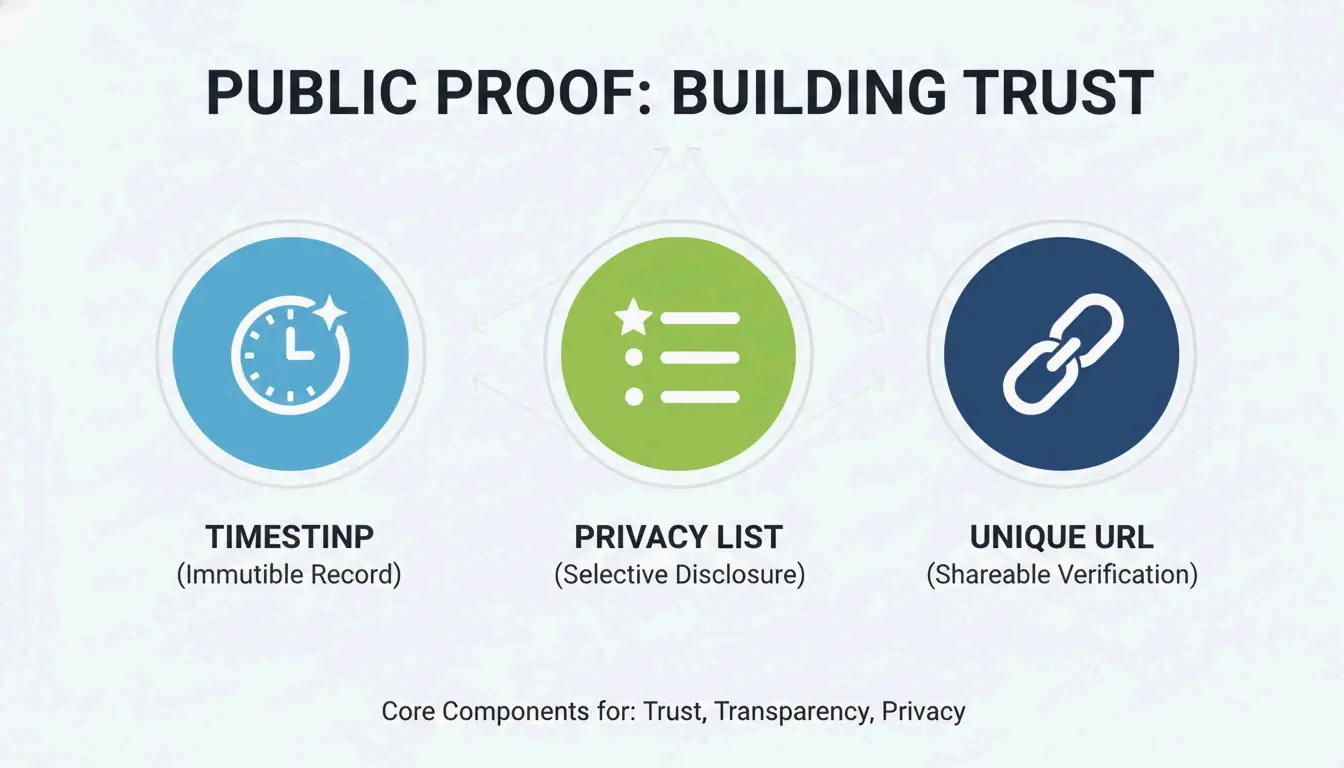
Sebuah studi RandomPicker merekomendasikan penggunaan Halaman Bukti Publik — catatan permanen yang menunjukkan:
| Elemen Bukti | Yang Ditunjukkannya |
|---|---|
| Stempel waktu | Tanggal dan waktu pasti undian |
| Daftar entri yang disensor | Email peserta disamarkan (mis., j***@email.com) — dapat diaudit tanpa membongkar info pribadi |
| URL unik | Membuktikan hasil tidak diubah atau dihapus setelahnya |
Kesimpulan
Keadilan dalam pemilihan digital bermuara pada tiga hal:
- Algoritma yang tepat — CSPRNG untuk undian apa pun yang melibatkan hadiah atau uang
- Pengaturan yang tepat — Mode Unik untuk mencegah duplikat, sumber entropi yang aman
- Transparansi yang jelas — Halaman bukti publik dengan stempel waktu dan daftar entri yang disensor
Pada 2026, “percayalah” tidak lagi cukup. Anda perlu menunjukkan hasil kerja Anda dengan log yang diberi stempel waktu, alat yang sesuai dengan NIST, dan halaman bukti yang dapat diverifikasi. Apakah Anda sedang memilih siswa di kelas atau menjalankan giveaway besar, standar yang sama berlaku.
FAQ
Apakah Math.random() cukup adil untuk giveaway berisiko tinggi?
Tidak. Math.random() adalah PRNG yang secara teknis dapat diprediksi. Untuk undian apa pun yang melibatkan hadiah atau uang, gunakan alat berbasis CSPRNG (seperti crypto.getRandomValues()) untuk memastikan hasil benar-benar tidak dapat diprediksi.
Bagaimana cara memilih pemenang dari daftar tanpa bias manual?
Gunakan alat “Pengacak Daftar” atau “Generator Pemenang”. Tempel nama Anda, aktifkan Mode Unik, dan jalankan undian. Untuk kepercayaan maksimum, rekam layar Anda selama proses dan bagikan tautan hasil dengan stempel waktu atau halaman bukti publik.
Apa perbedaan antara pemilihan acak standar dan terbobot?
Standar: Semua orang memiliki peluang yang sama (1 dalam N). Terbobot: Entri tertentu mendapat lebih banyak kesempatan (mis., seorang VIP mendapat 5 entri, bukan 1). Jika menggunakan pemilihan terbobot, Anda harus mengungkapkan aturan sebelum undian agar semua peserta memahami cara kerjanya.
Pertanyaan yang Sering Diajukan
Apakah Math.random() cukup adil untuk giveaway berisiko tinggi?
Tidak. Math.random() adalah PRNG yang secara teknis dapat diprediksi. Untuk undian apa pun yang melibatkan hadiah atau uang, gunakan alat berbasis CSPRNG (seperti crypto.getRandomValues()) untuk memastikan hasil benar-benar tidak dapat diprediksi.
Bagaimana cara memilih pemenang dari daftar tanpa bias manual?
Gunakan alat “Pengacak Daftar” atau “Generator Pemenang”. Tempel nama Anda, aktifkan Mode Unik, dan jalankan undian. Untuk kepercayaan maksimum, rekam layar Anda selama proses dan bagikan tautan hasil dengan stempel waktu atau halaman bukti publik.
Apa perbedaan antara pemilihan acak standar dan terbobot?
Standar: Semua orang memiliki peluang yang sama (1 dalam N). Terbobot: Entri tertentu mendapat lebih banyak kesempatan (mis., seorang VIP mendapat 5 entri, bukan 1). Jika menggunakan pemilihan terbobot, Anda harus mengungkapkan aturan sebelum undian agar semua peserta memahami cara kerjanya.
Artikel Terkait
Generator Font: Peta Lengkap Teks Bergaya di Tahun 2026
Generator Font Estetik: Panduan Utama untuk Teks Unicode Stylish
Generator Font Kaligrafi: Alat Online Gratis untuk Gaya Teks Elegan