Data Matrix بارکوڈ کیا ہے؟ تعریف، specifications اور صنعتی استعمالات
فوری خلاصہ
- Data Matrix ایک ہائی ڈینسٹی 2D بارکوڈ ہے جو ISO/IEC 16022 کے تحت بیان کیا گیا ہے، جو ناخن سے بھی چھوٹی جگہ پر ہزاروں حروف محفوظ کر سکتا ہے۔
- ایک Data Matrix ہائی ڈینسٹی 2D بارکوڈ ہے — سیاہ اور سفید خلیوں کا ایک گرِڈ جو مربع یا مستطیل شکل میں ترتیب دیا گیا ہو — جسے ISO/IEC 16022 کے تحت بیان کیا گیا ہے۔ یہ ECC200 (Reed-Solomon) ایرر کریکشن استعمال کر.
- تکنیکی تعریف: Data Matrix بارکوڈ کیا ہے؟
ایڈیٹوریل عمل
SectoJoy کے ذریعے reviewed اور 21 جون 2026 کو شائع کیا گیا۔ یہ مضمون اس وقت تازہ کیا جاتا ہے جب پروڈکٹ تفصیلات، مثالیں، یا ٹول رہنمائی تبدیل ہوتی ہے۔ آخری اپ ڈیٹ 21 جون 2026۔
SectoJoy
میں ایک آزاد ڈویلپر ہوں جو iOS اور ویب ایپلیکیشنز بنا رہا ہوں، عملی SaaS پروڈکٹس بنانے پر توجہ مرکوز کرتا ہوں۔ میں AI SEO میں مہارت رکھتا ہوں اور مسلسل یہ دریافت کر رہا ہوں کہ ذہین ٹیکنالوجیز کیسے پائیدار نمو اور کارکردگی کو فروغ دے سکتی ہیں۔
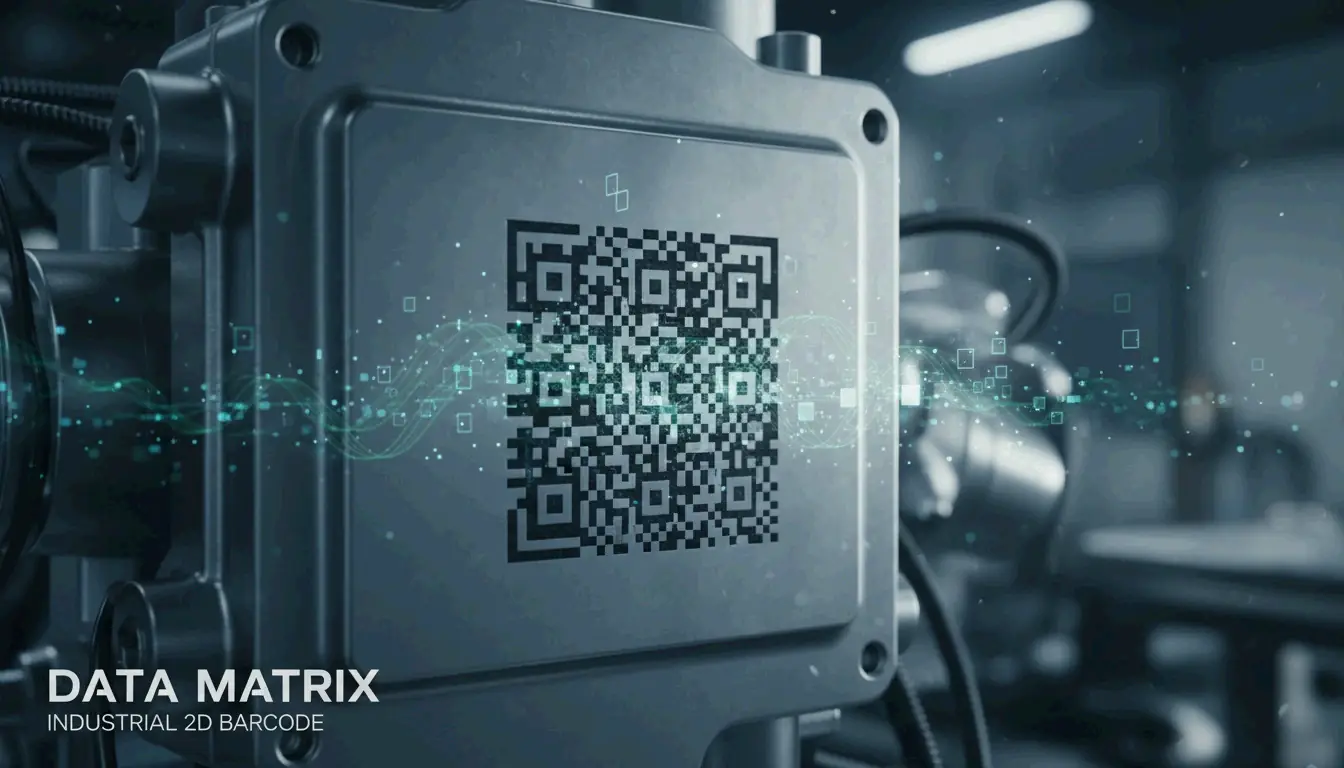
ایک Data Matrix ہائی ڈینسٹی 2D بارکوڈ ہے — سیاہ اور سفید خلیوں کا ایک گرِڈ جو مربع یا مستطیل شکل میں ترتیب دیا گیا ہو — جسے ISO/IEC 16022 کے تحت بیان کیا گیا ہے۔ یہ ECC200 (Reed-Solomon) ایرر کریکشن استعمال کرتا ہے تاکہ نقصان پہنچنے کے باوجود بھی پڑھا جا سکے، اور یہ ناخن سے بھی چھوٹی جگہ میں 2,335 تک alphanumeric حروف محفوظ کر سکتا ہے۔ سنہ 2026 تک، یہ چھوٹے صنعتی اجزاء اور منظم دوائیوں کی نشاندگی کے لیے عالمی معیار ہے۔
یہ رہنمائی بتاتی ہے کہ Data Matrix کیا ہے، تکنیکی طور پر یہ کیسے کام کرتا ہے، حقیقی دنیا میں کہاں استعمال ہوتا ہے، اور اسے QR کوڈ کے مقابلے میں کیسے منتخب کیا جائے۔
تکنیکی تعریف: Data Matrix بارکوڈ کیا ہے؟
روایتی 1D بارکوڈز کے برعکس جو ڈیٹا کو متوازی لائنوں کی چوڑائی اور فاصلے میں انکوڈ کرتے ہیں، Data Matrix معلومات کو دونوں ابعاد میں — افقی اور عمودی — انکوڈ کرتا ہے۔ یہ 2D طریقہ اسے کافی زیادہ ڈیٹا کو بہت چھوٹے جسمانی رقبے میں سمیٹنے کی سہولت دیتا ہے۔
ہر Data Matrix میں ایک L شکل کا Finder Pattern ہوتا ہے — دو ٹھوس بارڈرز جو سکینر کو بتاتے ہیں کہ علامت کہاں ہے اور اس کی سمت کیا ہے، چاہے کوڈ الٹا یا جھکا ہوا ہو۔ Wikipedia کے مطابق، موجودہ قواعد ISO/IEC 16022:2024 (ایڈیشن 3) کے تحت بیان کیے گئے ہیں۔ یہ معیار پبلک ڈومین میں ہے، اس لیے کوئی بھی بغیر رائلٹی ادا کیے اسے استعمال کر سکتا ہے۔
اناٹومی: Cells، Modules اور Quiet Zone
| اجزاء | مقصد |
|---|---|
| Finder Pattern (“L”) | دو ٹھوس بارڈرز جو سکینر کو کوڈ تلاش کرنے اور سمت کا تعین کرنے میں مدد دیتے ہیں |
| Timing Pattern | “L” کے مقابل SIDE میں متبادل سیاہ/سفید خلیات — پڑھنے والے کو گرِڈ کے ابعاد بتاتے ہیں |
| Data Region | اندرونی حصہ جہاں اصل معلومات انکوڈ ہوتی ہیں (ڈیٹا بڑھنے پر پھیلتا ہے) |
| Quiet Zone | پیٹرن کے باہر ایک لازمی خالی مارجن جو قریبی متن/گرافکس کو سکینر کو الجھانے سے روکتا ہے |
یہ ٹیکنالوجی نمایاں طور پر قابلِ توسیع ہے۔ Wikipedia کا کہنا ہے کہ آپ کو 300 micrometers جتنا چھوٹا Data Matrix کوڈ سلکان چپس پر کھودا ہوا ملے گا، اور ایک میٹر کے مربع جتنا بڑا ٹرین کی چھتوں پر پینٹ کردہ ملے گا۔
ECC200 اور Reed-Solomon ایرر کریکشن کیوں اہم ہیں
جدید Data Matrix کی اعتباریت ECC200 سے آتی ہے، جو Reed-Solomon الگورتھم استعمال کرتے ہوئے ہر علامت میں زائد “بیک اپ” ڈیٹا شامل کرتا ہے۔ اس کا مطلب ہے کہ کوڈ اس کے کچھ حصے کے خراب، گندے یا پھٹے ہونے پر بھی کام کرتا رہتا ہے۔
Wikipedia کی رپورٹ کے مطابق، ECC200 مکمل ڈیٹا اسٹرنگ کو 30% تک نقصان کے ساتھ بھی دوبارہ تشکیل دے سکتا ہے — بشرطیکہ L شکل کا finder pattern نظر آنے والا رہے۔ اس وجہ سے یہ ایسے مشکل ماحول کے لیے پہلا انتخاب ہے جہاں اجزاء کیمیکلز، شدید رگڑ یا انتہائی گرمی کا سامنا کرتے ہیں۔
| خصوصیت | ECC200 (موجودہ معیار) | ECC 000–140 (لگریسی) |
|---|---|---|
| ایرر کریکشن | Reed-Solomon | پرانے طریقے |
| نقصان برداشت | 30% تک | کمتر |
| آج کا استعمال | عالمی معیار | صرف بند سسٹمز میں |
| ڈیٹا کی گنجائش | 3,116 ہندسوں تک | کمتر |
ایرر کی شرح نہایت کم ہے۔ Wikipedia کا کہنا ہے کہ سکینرز عام طور پر صرف 15,000 سے 36 ٹریلین حروف میں ایک ایرر رپورٹ کرتے ہیں، کوڈ کے معیار پر منحصر ہے۔
بنیادی specifications: گنجائش، سائز اور ڈیٹا ڈینسٹی
Data Matrix کا سب سے بڑا فائدہ ڈیٹا ڈینسٹی ہے — یہ اپنے جسمانی سائز کے مقابلے میں بے تحاشا معلومات محفوظ رکھتا ہے۔
| ڈیٹا کی قسم | زیادہ سے زیادہ گنجائش |
|---|---|
| Alphanumeric حروف | 2,335 |
| Numeric ہندسے | 3,116 |
| بائنری / بائٹ ڈیٹا | 1,556 bytes |
ECC200 کے لیے گرِڈ سائز 10×10 سے 144×144 ماڈیولز تک ہوتا ہے۔ کیلیبریشن کے لیے کلیدی پیمانش X-dimension ہے — ایک سنگل ماڈیول (نقطہ یا مربع) کا سائز۔ زیادہ تر صنعتی سکینرز کم از کم 10 mil (0.254 mm) کی X-dimension کے لیے کیلیبریٹ ہوتے ہیں تاکہ قابلِ اعتماد پڑھاؤ یقینی بنایا جا سکے۔
Peak Technologies کی وضاحت کے مطابق، کوڈ کی جسمانی لمبائی ڈیٹا کے مواد پر مبنی ہوتی ہے، اور checksum ہمیشہ ضروری ہوتا ہے۔ یہ لچک مینوفیکچررز کو سیریل نمبرز، لاٹ کوڈز اور ختم ہونے کی تاریخیں ایک پچھ کے سرے کے برابر چھوٹی چیز تک سمیٹنے کی سہولت دیتی ہے۔
صنعتی استعمالات: ایرو اسپیس سے ہیلتھ کیئر کمپلائنس تک
Data Matrix بارکوڈز عالمی سپلائی چین کے پیچھے چھپا ہوا انجن ہیں۔ یہاں بتایا گیا ہے کہ وہ حقیقی دنیا میں کہاں نظر آتے ہیں۔
دوائیں: FDA کمپلائنس
امریکہ میں، GS1 DataMatrix FDA کے Drug Supply Chain Security Act (DSCSA) کے لیے سرکاری معیار ہے۔ دواساز کمپنیوں کو جعلی ادویات کو بازار میں آنے سے روکنے کے لیے ہر یونٹ پر منفرد شناخت کنندہ لگانا لازمی ہے۔
آٹوموٹیو اور الیکٹرانکس میں Direct Part Marking (DPM)
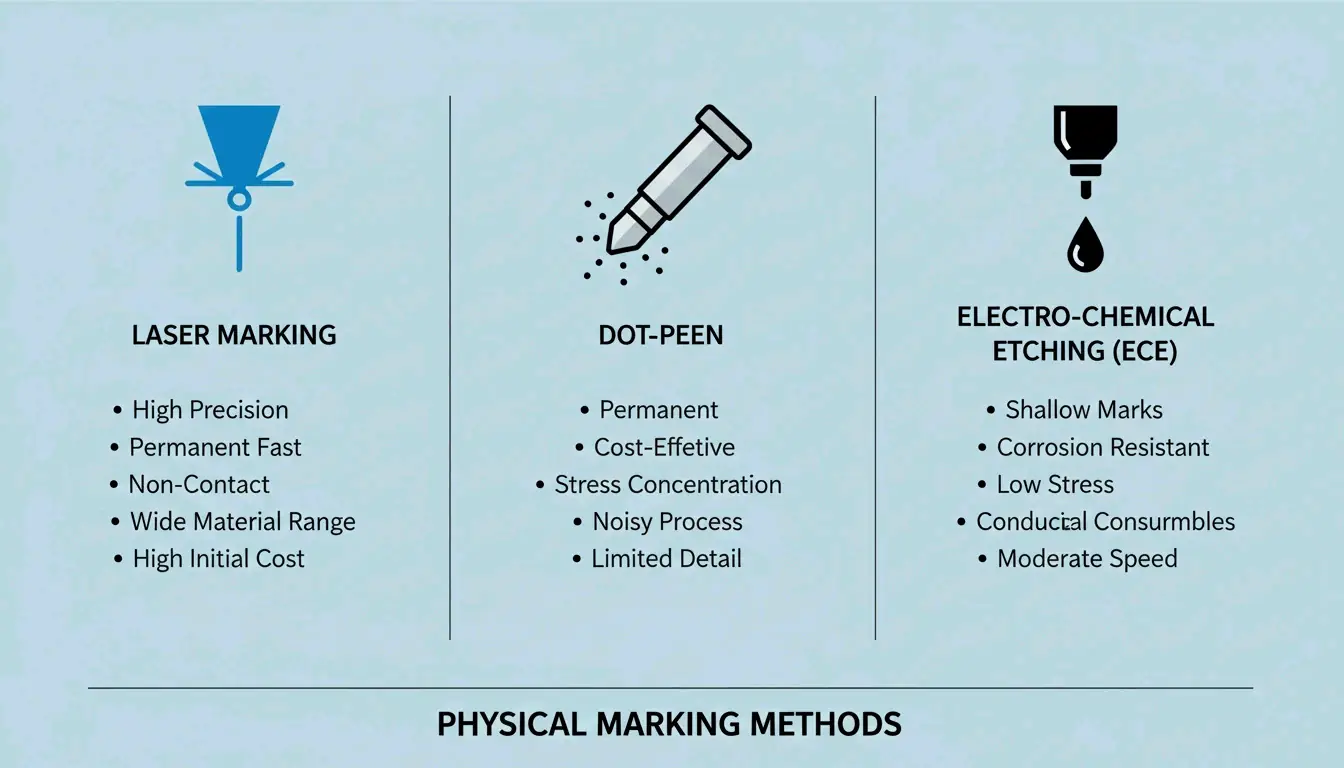
مستحکم پرزوں کی شناخت کے لیے، Direct Part Marking (DPM) کوڈ کو لیبل لگانے کے بجائے براہ راست مواد میں کھودتا ہے:
| طریقہ | یہ کیسے کام کرتا ہے | بہترین برائے |
|---|---|---|
| Laser marking | اعلی درستگی والے لیزرز سے دھات یا پلاسٹک میں کوڈ کھودتا ہے | دھاتی پرزے، پلاسٹک |
| Dot-peen marking | ایک دھاتی stylus سطح میں گول نقطوں کا گرِڈ پنچ کرتا ہے | سخت دھاتیں، مشکل ماحول |
| Electrolytic Chemical Etching (ECE) | کیمیکل عمل دھات پر مستحکم نشان بناتا ہے | کنڈکٹو دھاتیں |
لیبلز بمقابلہ Direct Marking: کیسے منتخب کریں
جب کوئی مارکنگ سسٹم ترتیب دیا جاتا ہے تو انتخاب ایپلیکیشن پر منحصر ہوتا ہے:
- Polyimide لیبلز — Cleverence انہیں سرکٹ بورڈز (PCBs) کے لیے “گولڈ اسٹینڈرڈ” کہتا ہے کیونکہ یہ reflow اوون اور کیمیکل واش میں زندہ رہتے ہیں۔
- Laser etching — ایرو اسپیس پرزوں کے لیے بہترین جہاں لیبلز اتر سکتے ہیں، یا ایسے چھوٹے سلکان چپس کے لیے جہاں سٹیکر کی جگہ نہیں۔
- کنٹراسٹ کی ضروریات — طریقہ جو بھی ہو، Elmed پر زور دیتا ہے کہ کیمرہ بیسڈ سکینرز کے لیے کوڈ قابلِ اعتماد طریقے سے پڑھنے کے لیے روشن اور تاریک خلیوں کے درمیان تیز کنٹراسٹ درکار ہے۔
Data Matrix بمقابلہ QR کوڈ: آپ کو کیا منتخب کرنا چاہیے؟
دونوں 2D بارکوڈز ہیں، لیکن مختلف مقاصد کے لیے ڈیزائن کیے گئے ہیں:
| خصوصیت | Data Matrix | QR کوڈ |
|---|---|---|
| جسمانی سائز (ایک ہی ڈیٹا) | چھوٹا | بڑا |
| ہیلتھ کیئر کے لیے GS1-منظورشدہ | ہاں (صرف 2D کوڈ منظورشدہ) | نہیں |
| اسمارٹ فون سکیننگ | خصوصی ایپ درکار | زیادہ تر فونز پر بلٹ-اِن |
| بہترین برائے | صنعتی ٹریکنگ، چھوٹے پرزے، فارما | صارفی مارکیٹنگ، URLs، مینوز |
| دوام | بہترین (DPM مطابقت پذیر) | کمتر (عام طور پر پرنٹڈ لیبلز) |
صنعتی ٹریکنگ کے لیے — جہاں جگہ تنگ اور ماحول مشکل ہو — Data Matrix اپنے چھوٹے رقبے، زیادہ دوام اور DPM مطابقت کی وجہ سے جیت جاتا ہے۔ صارفین کے لیے بنے ایپلیکیشنز کے لیے QR کوڈز عملی انتخاب ہیں کیونکہ اسمارٹ فون رکھنے والا کوئی بھی انہیں سکین کر سکتا ہے۔
اختتام
Data Matrix بارکوڈ سنہ 2026 میں ہائی ڈینسٹی صنعتی ٹریکنگ کے لیے گولڈ اسٹینڈرڈ رہتا ہے، جو اپ ڈیٹڈ ISO/IEC 16022:2024 معیارات کی تائید کے ساتھ۔ ہزاروں حروف کو خوردبینے رقبے میں انکوڈ کرنے کی صلاحیت — اور ECC200 ایرر کریکشن کے ذریعے 30% نقصان برداشت کرنا — اسے فیکٹری فرش سے لے کر دواسازی کی سپلائی چینز تک ناگزیر بناتی ہے۔
ایک سسٹم نافذ کرتے وقت:
– ہمیشہ عالمی مطابقت کے لیے ECC200 استعمال کریں
– مشکل حالات کا سامنا کرنے والے پرزوں کے لیے DPM (laser/dot-peen) منتخب کریں
– PCBs اور ہائی ٹمپریچر ایپلیکیشنز کے لیے polyimide لیبلز استعمال کریں
– قابلِ اعتماد سکیننگ کے لیے روشن اور تاریک خلیوں کے درمیان تیز کنٹراسٹ یقینی بنائیں
اکثر پوچھے جانے والے سوالات
Data Matrix بارکوڈ کی زیادہ سے زیادہ ڈیٹا گنجائش کیا ہے؟
ISO/IEC 16022 کے تحت، ایک Data Matrix 2,335 alphanumeric حروف یا 3,116 numeric ہندسوں تک محفوظ کر سکتا ہے۔ کوڈ کا جسمانی سائز ایپلیکیشن اور سکینر کی صلاحیتوں کے لیے منتخب کردہ X-dimension (ماڈیول سائز) پر منحصر ہے۔
کیا Data Matrix بارکوڈ کو جزوی نقصان پہنچنے پر پڑھا جا سکتا ہے؟
ہاں — بشرطیکہ یہ ECC200 معیار استعمال کرتا ہو۔ Reed-Solomon ایرر کریکشن الگورتھم علامت کو 30% تک سطحی رقبے کے نقصان یا دھندلے پن کے باوجود مکمل طور پر سکین رہنے کی اجازت دیتا ہے۔ اس وجہ سے یہ کیمیکلز، رگڑ یا شدید گرمی کا سامنا کرنے والے پرزوں کے لیے بہترین ہے۔
کیا Data Matrix بارکوڈ استعمال کرنے کے لیے مجھے لائسنس درکار ہے؟
نہیں۔ Data Matrix symbology پبلک ڈومین میں ہے۔ اصل پیٹنٹس (جنہیں International Data Matrix, Inc. رکھتا تھا) ختم ہو چکے ہیں۔ specifications اب ISO/IEC معیارات کے تحت محکوم ہیں، اور کوئی بھی ادارہ بغیر رائلٹی فیس ادا کیے Data Matrix بارکوڈز آزادانہ طور پر تیار اور استعمال کر سکتا ہے۔
متعلقہ پوسٹس
فونٹ جنریٹر: 2026 میں اسٹائلڈ ٹیکسٹ کا مکمل نقشہ
جمالیاتی فونٹ جنریٹر: اسٹائلسھ یونیکوڈ ٹیکسٹ کی مکمل رہنمائی
کیلیگرافی فونٹ جنریٹر: خوبصورت ٹیکسٹ اسٹائلز کے لیے مفت آن لائن ٹول