EAN-13 مقابل EAN-8: أيّ صيغة باركود تناسب منتجك؟
ملخص سريع
- التقط أيّ منتج في المتجر وستجد باركود في مكانٍ ما على العبوة. في أغلب الأحيان يكون باركود EAN-13 المكوّن من 13 رقمًا، لكن على العبوات الصغيرة جدًا قد تصادف البديل المختصر EAN-8. يشرح هذا الدليل الفروق الحقيقية بين الصيغتين، ومتى تختار كلًّا منهما.
- التقط أيّ منتج في المتجر وستجد باركودًا في مكانٍ ما على العبوة. في معظم الأحيان يكون EAN-13 — 13 رقمًا ممتدّة على شريطٍ مألوف من القضبان السوداء والبيضاء.
- EAN-13 مقابل EAN-8: أبرز الفروقات بنظرة سريعة
عملية التحرير
تمت المراجعة بواسطة SectoJoy ونشرت على 19 يونيو 2026. يتم تحديث هذه المقالة عند تغيير تفاصيل المنتج أو الأمثلة أو إرشادات الأداة. آخر تحديث 19 يونيو 2026.
SectoJoy
أنا متسلل مستقل أقوم ببناء تطبيقات iOS وتطبيقات الويب، مع التركيز على إنشاء منتجات SaaS عملية. أنا متخصص في تحسين محركات البحث باستخدام الذكاء الاصطناعي، وأستكشف باستمرار كيف يمكن للتقنيات الذكية أن تقود النمو المستدام والكفاءة.
التقط أيّ منتج في المتجر وستجد باركودًا في مكانٍ ما على العبوة. في معظم الأحيان يكون EAN-13 — 13 رقمًا ممتدّة على شريطٍ مألوف من القضبان السوداء والبيضاء. لكن أحيانًا، على شيءٍ صغير كعلبة علكة أو أنبوب بلسم شفاه، ستلاحظ باركودًا أقصر وأكثر اختصارًا: EAN-8.
تؤدّي الصيغتان الوظيفة ذاتها — منح كل منتج مُعرّفًا فريدًا قابلًا للمسح — لكنّ كلًّا منهما صُمّمت لظروف مختلفة. يستعرض هذا الدليل الفروق الحقيقية بين EAN-13 وEAN-8، ومتى تستخدم كلًّا منهما، وكيف يندرجان ضمن منظومة باركود GS1 الأوسع.
EAN-13 مقابل EAN-8: أبرز الفروقات بنظرة سريعة
يكمن الفرق الأكبر بين الصيغتين في عدد الأرقام التي تحملها وفي المساحة المادية التي تشغلها على الملصق.
| الميزة | EAN-13 | EAN-8 |
|---|---|---|
| عدد الأرقام | 13 | 8 |
| عرض الوحدات | 95 وحدة | 67 وحدة |
| الحدّ الأدنى لعرض الطباعة | ~1.5 إنش (38 mm) | ~1 إنش (26 mm) |
| الاستخدام النموذجي | منتجات التجزئة القياسية | العبوات الصغيرة جدًا |
| الجهة المُدارة | GS1 | GS1 |
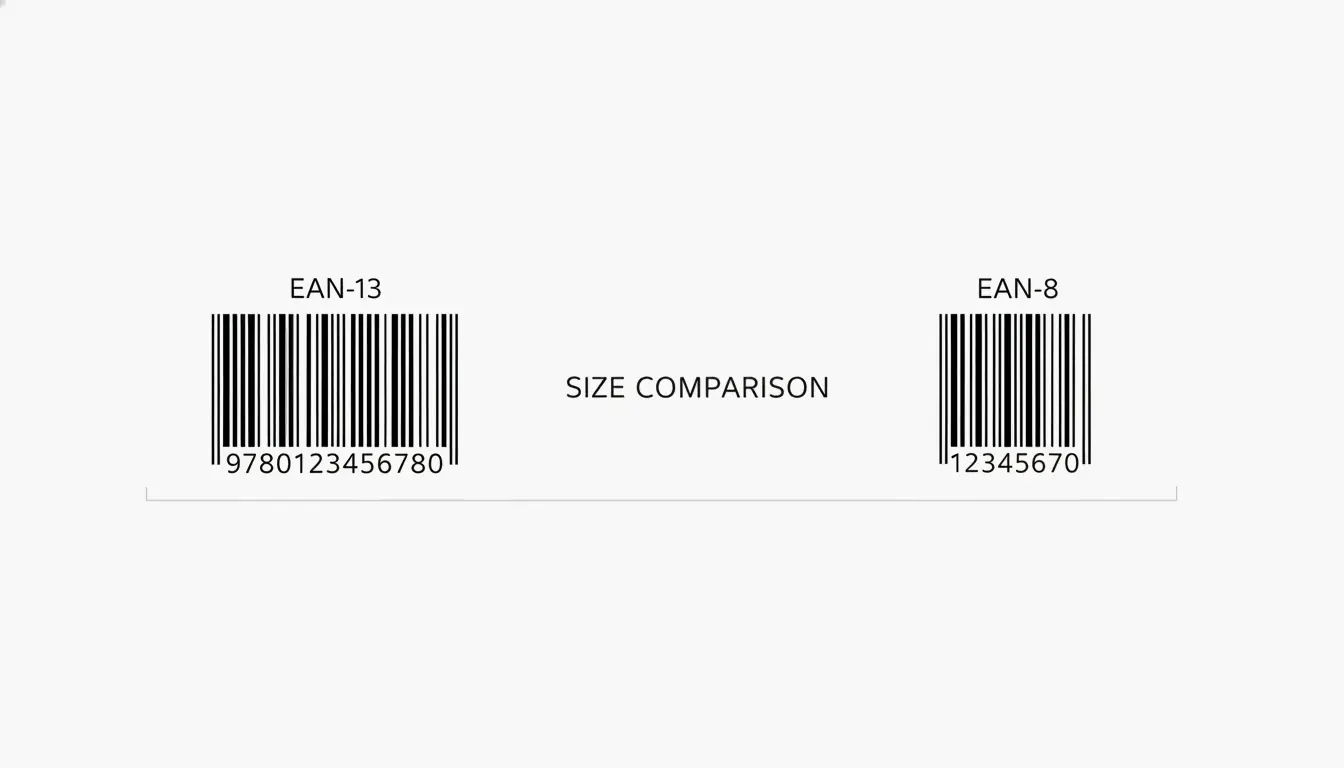
يُرمِّز باركود EAN-13 لـ 13 رقمًا ويتكوّن من 95 وحدة متساوية العرض، بحسب ويكيبيديا. أمّا EAN-8 فيُرمِّز 8 أرقام فقط، ما ينتج عنه باركود أضيق بكثير — يقارب ثلثي العرض تقريبًا.
كيف تختار: شجرة قرار بسيطة
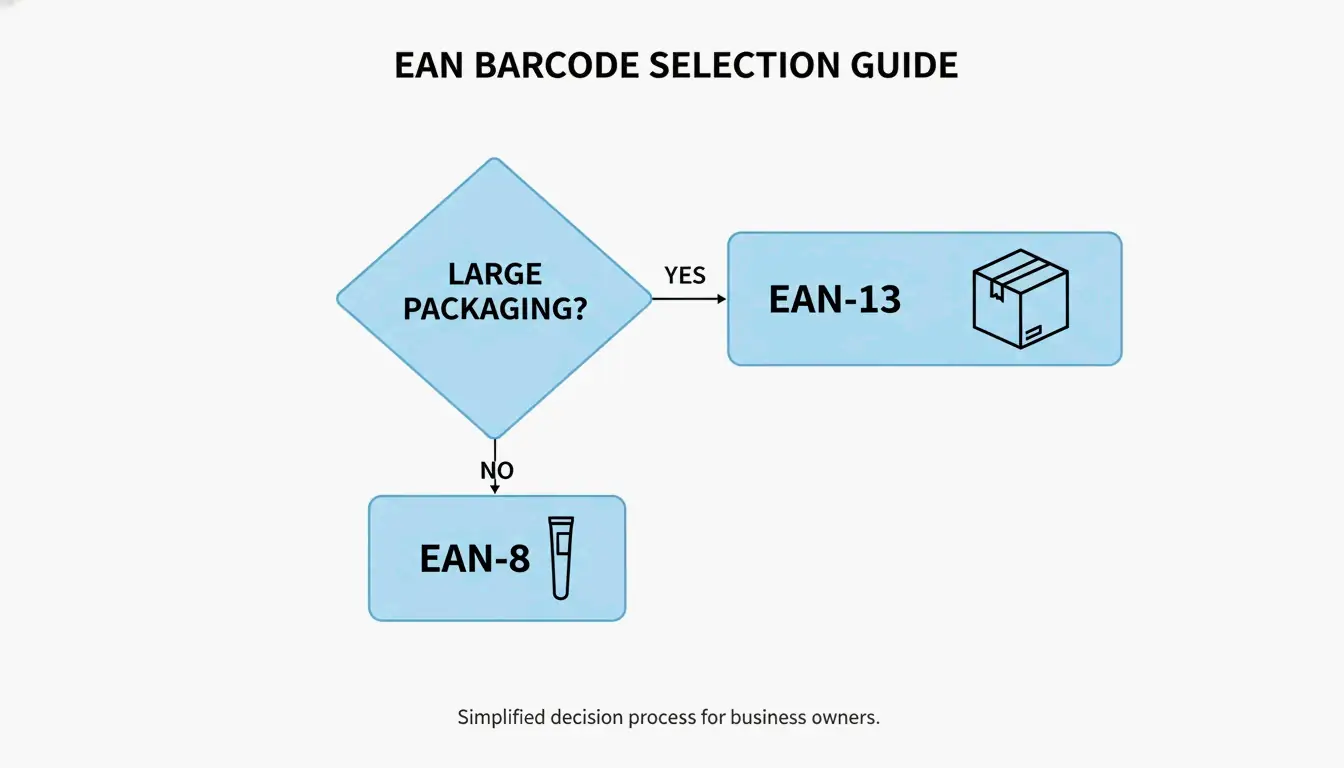
لأيّ شخص يقرّر الصيغة المناسبة، المنطق بسيط:
- المنتجات القياسية — إن كان على عبوتك متّسع لباركود بعرض لا يقلّ عن 1.5 إنش، فاختر EAN-13. إنه المتطلّب الافتراضي في أسواق التجزئة حول العالم.
- الأصناف الصغيرة — إن كانت المساحة القابلة للطباعة على منتجك ضيّقة جدًا على EAN-13، فيمكنك التقدّم بطلب للحصول على EAN-8.
أمرٌ يغفل عنه كثيرون هو منطقة الهدوء (Quiet Zone) — المساحة البيضاء الفارغة على جانبَي الباركود. ووفقًا لـ ويكيبيديا، فإنّ باركودات EAN-13 تتضمّن غالبًا مؤشّر > على الجهة اليمنى يحدّد بداية منطقة الهدوء. تساعد هذه العلامة البصرية الماسحات على تحديد حافتي الرمز كي لا تختلط عليها بالرسومات أو النصوص المحيطة.
متى يكون EAN-8 هو الخيار الصحيح: قاعدة المساحة السطحية
EAN-8 ليس بديلًا مجانيًا — بل هو صيغة متخصّصة للمنتجات التي تعجز فعلًا عن استيعاب باركود قياسي. وكما يوضّح Barcodes South Africa، نظرًا لوجود 8 أرقام فقط (وهي مجموعات فريدة أقلّ بكثير من 13 رقمًا)، فإنّ منظمات أعضاء GS1 لا تُسند أرقام EAN-8 إلّا للمصنّعين الذين يستطيعون إثبات أنّ عبواتهم أصغر من أن تحمل EAN-13.
عمليًا، يعني ذلك أنّك سترى EAN-8 على أصناف مثل:
– ألواح الحلوى الفردية أو عبوات العلكة
– مستحضرات التجميل الصغيرة (بلسم الشفاه، الماسكارا)
– أكياس البذور أو البهارات
– ملحقات الإلكترونيات الصغيرة
إن كان لدى منتجك مساحة كافية، فستبقى EAN-13 هي الخيار الافتراضي دائمًا.
المواصفات الفنية: كيف تُبنى صيغ EAN؟
خلف القضبان، تتّبع صيغ EAN بنية دقيقة تضمن حصول كل منتج على مُعرّف فريد عالميًا عبر منظومة GS1 (Global Standards 1).
بنية EAN-13:
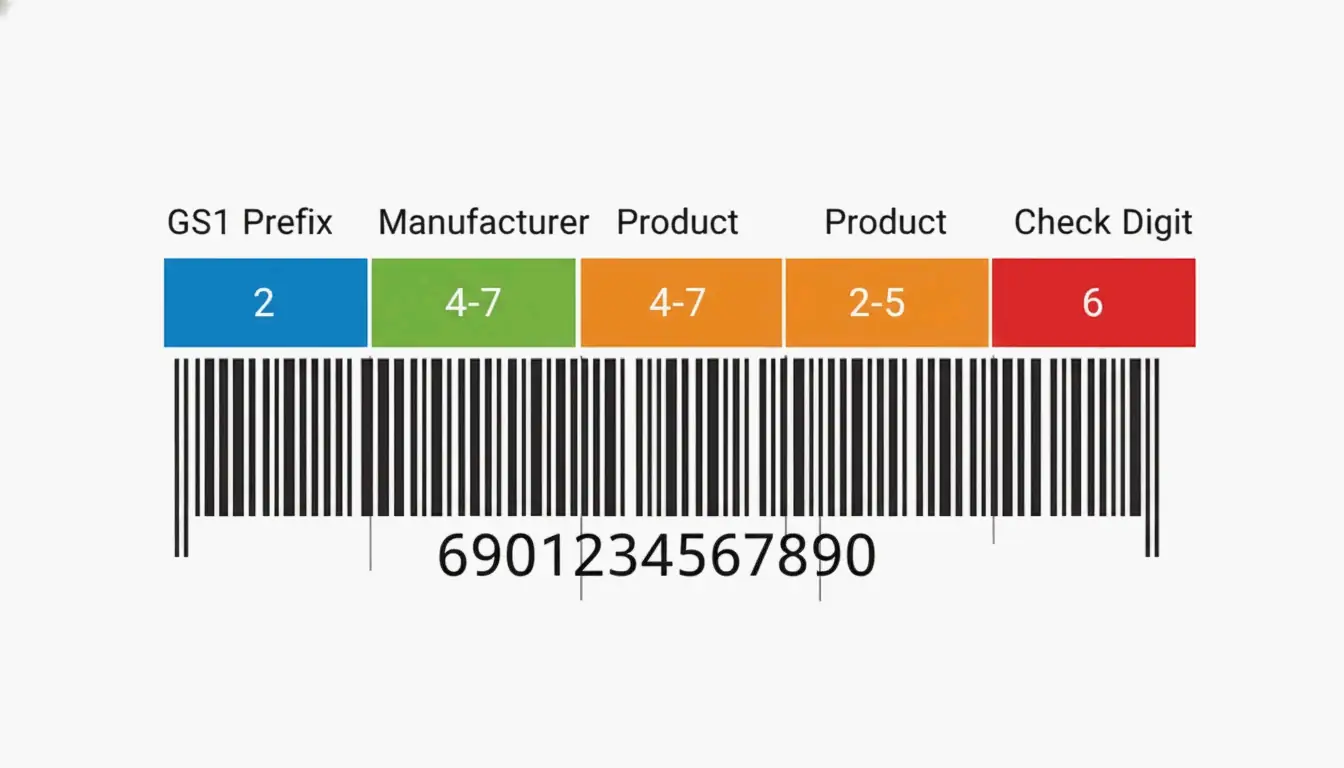
- بادئة GS1 (3 أرقام): تُعرّف منظمة عضو GS1 التي أصدرت الرمز. مثلًا،
590هي بولندا، و400–440هي ألمانيا. - رمز المُصنّع (طول متغيّر): المُعرّف الفريد المُسند إلى الشركة.
- رمز المنتج (طول متغيّر): الرقم المحدّد الذي تُسنده الشركة لصنف بعينه (وهو في جوهره SKU).
- رقم التحقّق (رقم واحد): الرقم الأخير، ويُحتسب من جميع الأرقام السابقة لرصد أخطاء المسح.
بنية EAN-8:
يعمل EAN-8 بطريقة مختلفة — فلا يوجد رمز مُصنّع بطول متغيّر. تُسند جهة الترقيم رموز المنتجات مباشرة. ووفقًا لـ Oracle، يمكن لأيّ شركة أن تطلب EAN-8 حتى لو كانت تملك بادئة EAN-13 فعلًا، لكن ليس بين الرقمين أيّ علاقة رياضية.
كلتا الصيغتين موثوقتان لافتًا في كشف الأخطاء. تشير ويكيبيديا إلى أنّ EAN-13 يرصد 100% من أخطاء الرقم الواحد و90% من أخطاء التبديل (حين يتبادل رقمان متجاوران موضعيهما). أي أنّه إن أخطأ الماسح في قراءة قضيب واحد فقط، فإنّ رقم التحقّق سيُنبّه إلى ذلك في كل مرة تقريبًا.
هل يُقبل EAN-13 في الولايات المتحدة؟ مقارنة مع UPC-A
يقلق كثيرٌ من الشركات المصدِّرة دوليًا ممّا إذا كان EAN-13 يعمل في الولايات المتحدة، التي اعتمدت تاريخيًا صيغتها الخاصة UPC-A المكوّنة من 12 رقمًا.
الإجابة المختصرة: نعم، بالكامل. مبادرة «2005 Sunrise» — التي غدت سياسةً راسخة منذ زمن طويل — تُلزم كل نظام نقاط بيع في الولايات المتحدة وكندا بقبول EAN-13 وUPC-A معًا. وفي الواقع، يُعدّ EAN-13 من الناحية الفنية مجموعة شاملة من UPC-A؛ فباركود UPC-A ليس سوى EAN-13 يبدأ بالرقم 0.
ما يعنيه ذلك عمليًا:
– إن كنت علامةً عالمية، يمكنك استخدام EAN-13 في كل مكان — دون الحاجة إلى رموز UPC-A منفصلة.
– يستطيع تجّار التجزئة الأمريكيون مسح منتجاتك بـ EAN-13 دون أيّ تعديل في الإعدادات.
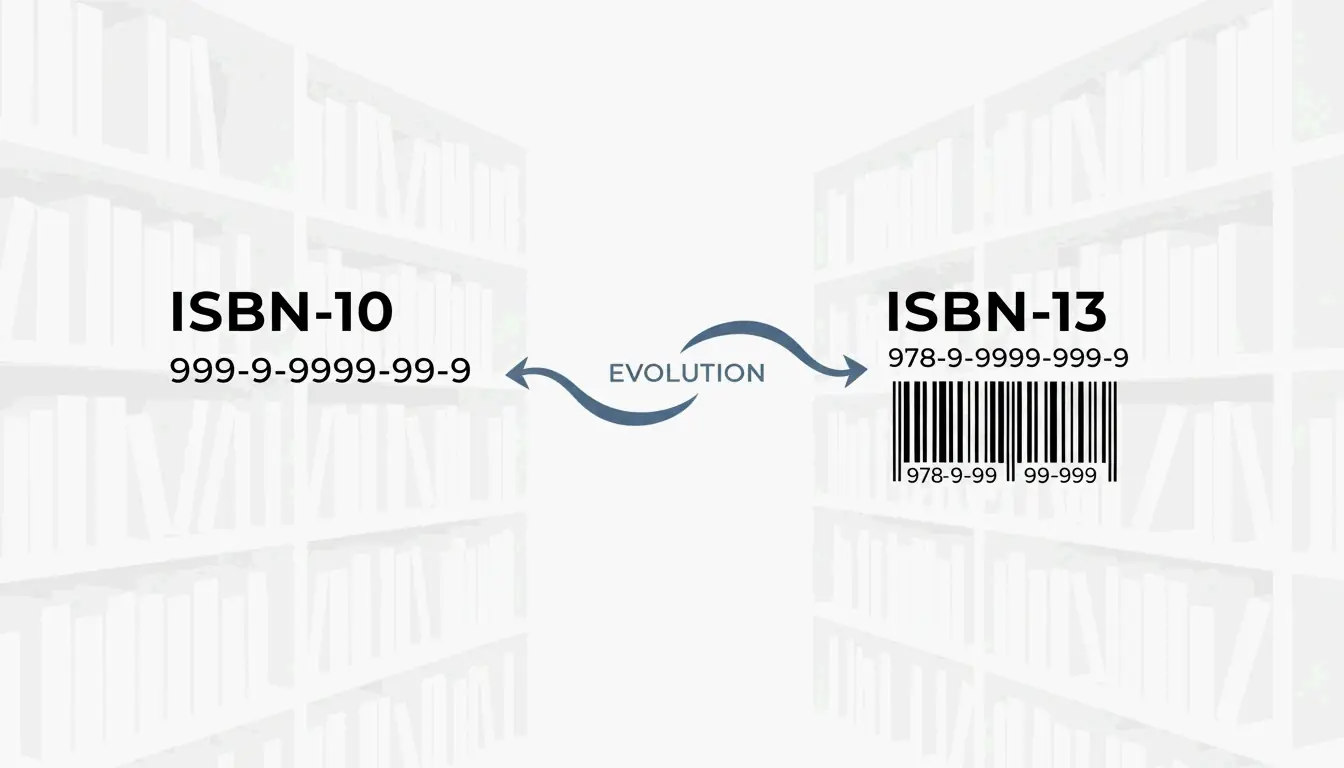
كما توجد بادئات متخصّصة ضمن منظومة EAN-13 تستحقّ المعرفة. فبادئتا Bookland (978 و979) تُدمجان أرقام ISBN مباشرةً داخل EAN-13، ممّا يتيح مسح الكتب عند أيّ نقطة بيع تجزئة قياسية بصرف النظر عن بلد صدورها.
التكامل مع GTIN وتطبيع قواعد البيانات
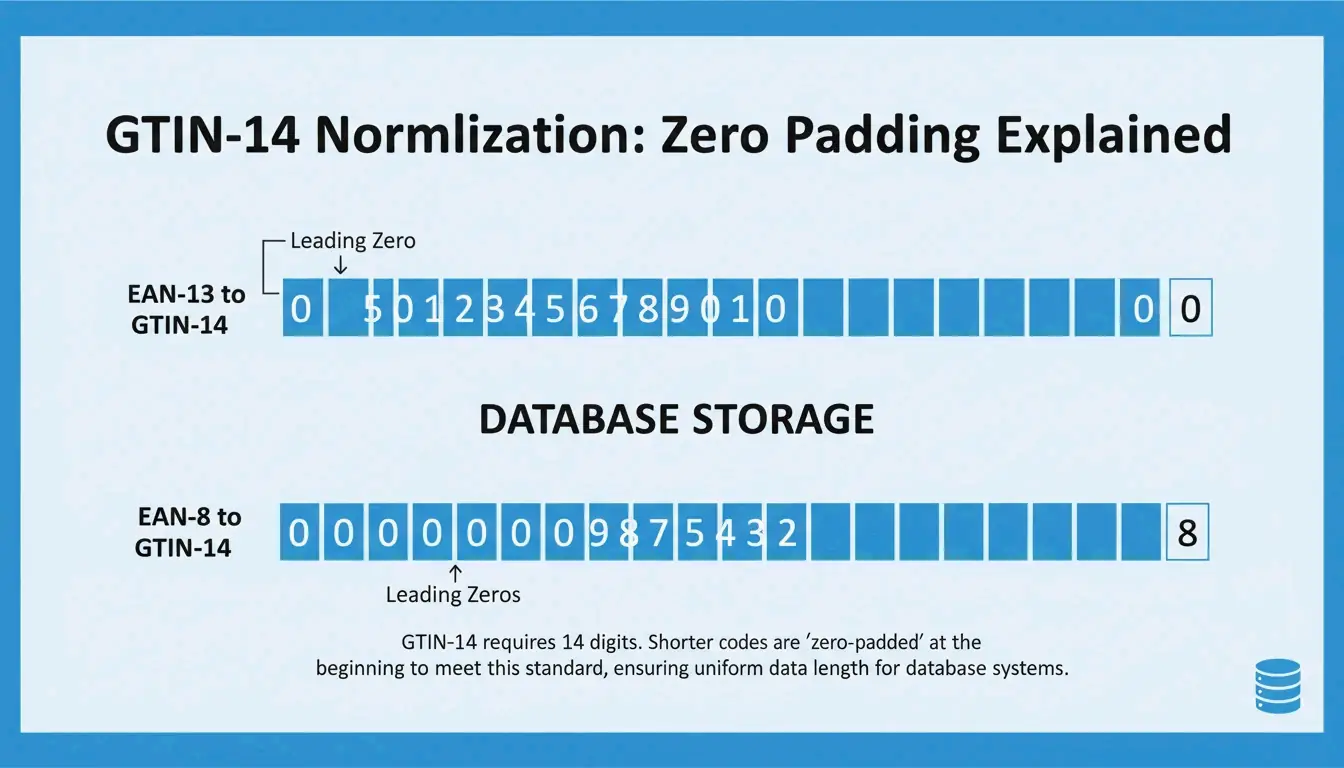
تنتمي EAN-13 وEAN-8 معًا إلى عائلة Global Trade Item Number (GTIN). وحين تنتهب منتجاتٌ بأطوال باركود مختلفة قاعدةَ البيانات نفسها — كنظام إدارة المستودعات مثلًا — تصبح بحاجة إلى صيغة موحّدة. وهنا يأتي دور GTIN-14.
التطبيع بسيط: تُحشى الرموز الأقصر بأصفار بادئة.
| الباركود | GTIN-14 |
|---|---|
EAN-13: 4006381333931 |
04006381333931 (صفر بادئ واحد) |
EAN-8: 96385074 |
00000096385074 (ستة أصفار بادئة) |
في أنظمة مثل Oracle WMS، تُمحاذاة جميع رموز GTIN إلى اليمين وتُحشى حتى تبلغ 14 رقمًا، كي يتسنّى لحقل واحد في قاعدة البيانات التعامل مع كل شيء، من أنبوب بلسم شفاه إلى بكّ كاملة.
كيفية حساب رقم التحقّق (Modulo-10، خطوة بخطوة)
الرقم الأخير في أيّ باركود EAN ليس عشوائيًا — بل يُحتسب عبر خوارزمية Modulo-10. تُنجز البرمجيات الحديثة ذلك تلقائيًا، لكنّ فهم الرياضيات مفيد إن كنت تُولّد الباركودات برمجيًا أو تُشخّص مشكلة مسح.
مثال: التحقّق من رقم التحقّق لـ EAN-13 400638133393?
الخطوة 1 — بدءًا من اليمين (باستثناء رقم التحقّق)، أسند أوزانًا متناوبة 3 و1:
| الموضع | 12 | 11 | 10 | 9 | 8 | 7 | 6 | 5 | 4 | 3 | 2 | 1 |
|---|---|---|---|---|---|---|---|---|---|---|---|---|
| الرقم | 4 | 0 | 0 | 6 | 3 | 8 | 1 | 3 | 3 | 3 | 9 | 3 |
| الوزن | 1 | 3 | 1 | 3 | 1 | 3 | 1 | 3 | 1 | 3 | 1 | 3 |
| الناتج | 4 | 0 | 0 | 18 | 3 | 24 | 1 | 9 | 3 | 9 | 9 | 9 |
الخطوة 2 — اجمع كل النواتج: 4 + 0 + 0 + 18 + 3 + 24 + 1 + 9 + 3 + 9 + 9 + 9 = 89
الخطوة 3 — أوجد المضاعف التالي للعدد 10 (وهو 90). اطرح: 90 − 89 = 1.
رقم التحقّق هو 1، فيغدو الباركود الكامل 4006381333931.
يُعدّ هذا فحصًا سليمًا يجدر إجراؤه أثناء تصميم الملصق — فاكتشاف رقم تحقّق خاطئ قبل طباعة آلاف الملصقات يوفّر المال والوقت معًا.
الخلاصة
EAN-13 هو حصان العمل العالمي لترميز التجزئة — وهو ما ستستخدمه للأغلبية الساحقة من المنتجات. أمّا EAN-8 فهو البديل المختصر، المخصّص للأصناف التي تكون فيها مساحة العبوة ضيّقة فعلًا على باركود قياسي. تُدار كلتا الصيغتين من قبل GS1، وتستخدمان نظام رقم التحقّق Modulo-10 ذاته، ويقرؤهما كل نظام نقاط بيع حديث حول العالم موثوقيًا — بما في ذلك الولايات المتحدة وكندا.
يتوقّف القرار على المساحة السطحية. إن كانت عبوتك تتّسع لباركود بعرض لا يقلّ عن 1.5 إنش، فاستخدم EAN-13. وإن لم تتّسع، فتقدّم بطلب للحصول على EAN-8 عبر مكتب GS1 المحلي لديك. وفي الحالتين، سيُمسح منتجك بصورة صحيحة على طول سلسلة التوريد.
الأسئلة الشائعة
هل يمكنني تحويل رمز EAN-8 إلى رمز EAN-13؟
لا — فهما مُعرّفان منفصلان كليًا. تُسند أرقام EAN-8 مباشرةً من GS1 وليس لها أيّ صلة ببادئة مُصنّع EAN-13 الخاصة بك. إن احتجت إلى رمز EAN-13، فسيكون عليك استخدام رقم من كتلة EAN-13 المُسندة إليك.
هل يُقبل EAN-13 في الولايات المتحدة وكندا؟
نعم. ومنذ اتفاق «2005 Sunrise»، يقرأ كل نظام نقاط بيع حديث في أمريكا الشمالية UPC-A وEAN-13 دون مشاكل. باتت معظم العلامات العالمية تستخدم EAN-13 حصرًا لتبسيط الأمور عبر كل الأسواق.
ماذا يحدث لو مسحت باركود EAN-8 في نظام يتوقّع 14 رقمًا؟
سيقوم النظام بـ حشو الرقم بالأصفار عبر إضافة ستة أصفار بادئة لملء حقل GTIN-14 (مثلًا 000000XXXXXXXX). هذه ممارسة معتادة في أنظمة مثل Oracle WMS للحفاظ على اتّساق سجلّات قاعدة البيانات عبر أحجام المنتجات المختلفة.
المشاركات ذات الصلة
Code 128 مقابل Code 39: الفروقات بين الرموز الشريطية موضّحة (2026)