ایس ایم ای انوینٹری مینجمنٹ: 2026 میں کم قیمت فکسڈ ایسیٹ بارکوڈ سسٹم بنائیں
فوری خلاصہ
- 2026 میں اپنے ایس ایم ای کے لیے کم قیمت فکسڈ ایسیٹ بارکوڈ سسٹم بنانا — کلاؤڈ پلیٹ فارم پر ایسیٹ کیٹلاگ، QR کوڈز، ٹھیک لیبلز اور اسمارٹ فون اسکیننگ کے پانچ عملی مراحل۔
- 2026 میں اپنے ایس ایم ای کے لیے ایک کم قیمت فکسڈ ایسیٹ بارکوڈ سسٹم بنانا اس کا مطلب ہے: کلاؤڈ پلیٹ فارم پر اثاثوں کی فہرست بنانا، ہر شے کے لیے منفرد QR کوڈ تیار کرنا، پائیدار لیبلز چھاپنا، اور اسمارٹ فونز یا ا.
- کم قیمت فکسڈ ایسیٹ بارکوڈ سسٹم بنانے کے 5 مراحل
ایڈیٹوریل عمل
SectoJoy کے ذریعے reviewed اور 19 جون 2026 کو شائع کیا گیا۔ یہ مضمون اس وقت تازہ کیا جاتا ہے جب پروڈکٹ تفصیلات، مثالیں، یا ٹول رہنمائی تبدیل ہوتی ہے۔ آخری اپ ڈیٹ 19 جون 2026۔
SectoJoy
میں ایک آزاد ڈویلپر ہوں جو iOS اور ویب ایپلیکیشنز بنا رہا ہوں، عملی SaaS پروڈکٹس بنانے پر توجہ مرکوز کرتا ہوں۔ میں AI SEO میں مہارت رکھتا ہوں اور مسلسل یہ دریافت کر رہا ہوں کہ ذہین ٹیکنالوجیز کیسے پائیدار نمو اور کارکردگی کو فروغ دے سکتی ہیں۔
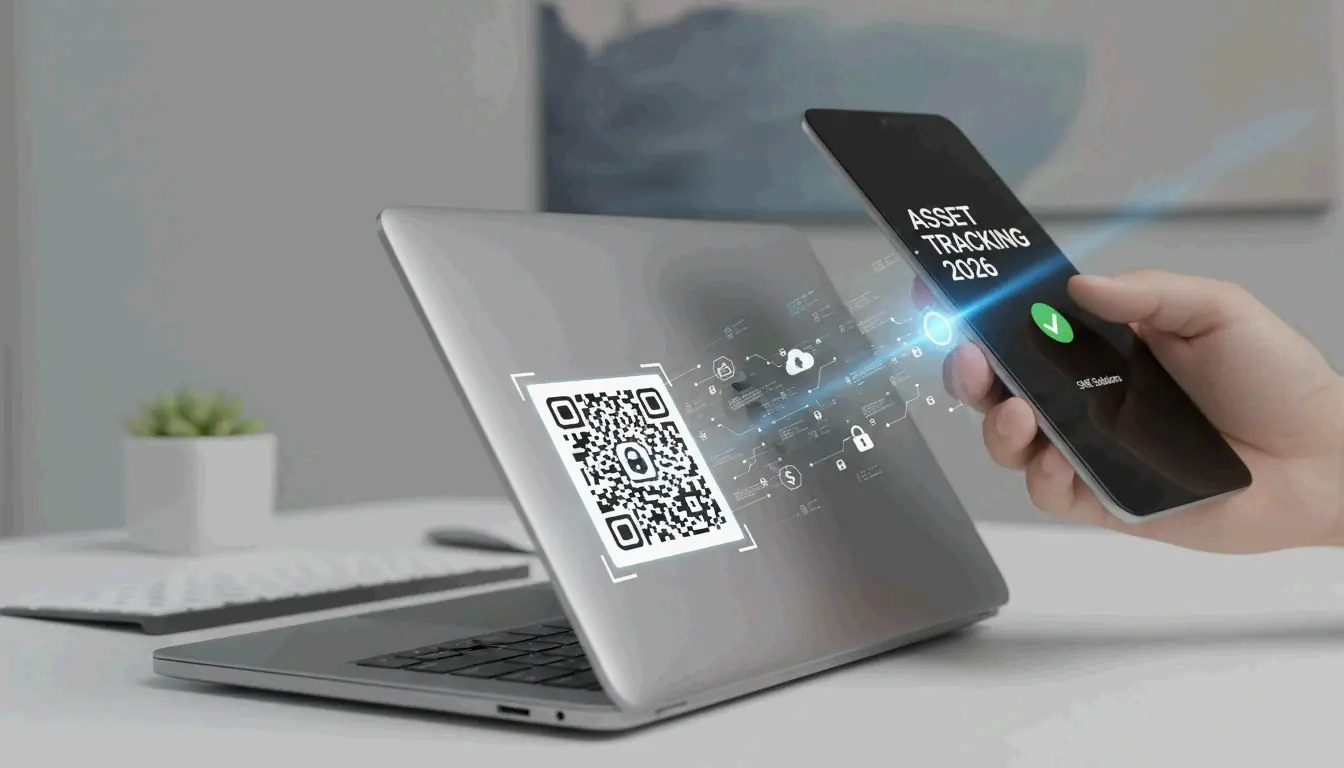
2026 میں اپنے ایس ایم ای کے لیے ایک کم قیمت فکسڈ ایسیٹ بارکوڈ سسٹم بنانا اس کا مطلب ہے: کلاؤڈ پلیٹ فارم پر اثاثوں کی فہرست بنانا، ہر شے کے لیے منفرد QR کوڈ تیار کرنا، پائیدار لیبلز چھاپنا، اور اسمارٹ فونز یا اے آئی پر مبنی آلات سے اسکیننگ کرنا۔ نتیجہ: Team Unicommerce کے مطابق انوینٹری کی درستگی 63% سے بڑھ کر 99% ہو جاتی ہے۔
یہاں ایک عملی پانچ مراحل کا خاکہ پیش ہے تاکہ آپ بغیر کسی انٹرپرائز بجٹ کے یہ مقصد حاصل کر سکیں۔
کم قیمت فکسڈ ایسیٹ بارکوڈ سسٹم بنانے کے 5 مراحل
مرحلہ 1: اپنا SKU ڈھانچہ متعین کریں
ہر فکسڈ ایسیٹ — چاہے وہ لیپ ٹاپ ہو، ڈرل پریس ہو، یا کمپنی کی گاڑی — کو اپنا ایک منفرد شناخت کنندہ (identifier) درکار ہے تاکہ آپ اس کی مکمل تاریخ (خرید کی تاریخ، دیکھ بھال کا ریکارڈ، گھٹاوالی قیمت) کو ٹریک کر سکیں۔ اس کے برعکس، معیاری انوینٹری اشیاء اجتماعی ٹریکنگ کے لیے ایک مشترکہ SKU استعمال کر سکتی ہیں۔
جیسا کہ QuickBooks وضاحت کرتا ہے، ایک منطقی SKU نظام (جیسے ایک چھوٹے سفید ٹی شرٹ کے لیے TS-WHITE-S) ہر اس آٹومیشن تہہ کی بنیاد ہے جسے آپ بعد میں شامل کریں گے۔
| اثاثے کی قسم | لیبلنگ حکمت عملی | مثال SKU |
|---|---|---|
| فکسڈ ایسیٹ (منفرد) | ہر یونٹ کے لیے ایک QR کوڈ | LAPTOP-2026-0042 |
| انوینٹری (اجتماعی) | ہر پروڈکٹ ویرینٹ کے لیے ایک بارکوڈ | TS-WHITE-S |
مرحلہ 2: کم قیمت کلاؤڈ سافٹ ویئر منتخب کریں
آپ کو انٹرپرائز ERP کی ضرورت نہیں۔ یہ کلاؤڈ پلیٹ فارم ایس ایم ای کی ضروریات پوری کرتے ہیں:
| پلیٹ فارم | بہترین استعمال | مفت ٹیئر |
|---|---|---|
| Zoho Inventory | ابتدائی صارفین، ملٹی چینل فروخت | ماہانہ 50 آرڈرز تک |
| inFlow Inventory | کسٹم لیبل پرنٹنگ + موبائل اسکیننگ | محدود مفت پلان |
| Sortly | تصویری اضافوں کے ساتھ بصری ٹریکنگ | چھوٹی ٹیموں کے لیے مفت |
مرحلہ 3: اندرونی بمقابلہ GS1 بارکوڈز
اندرونی ایسیٹ ٹریکنگ کے لیے، اپنے سافٹ ویئر سے Code 128 یا QR کوڈز استعمال کر کے مفت بارکوڈ بنائیں۔ آپ کو GS1 رجسٹرڈ بارکوڈز (چھوٹے بیچوں میں تقریباً $30 فی کوڈ) تب ہی درکار ہیں جب آپ ایمیزون یا وال مارٹ جیسے بڑی ریٹیلرز کے ذریعے فروخت کرتے ہیں، inFlow Inventory وضاحت کرتا ہے۔
زیادہ تر ایس ایم ای کے لیے سفارش: آپ کے انوینٹری سافٹ ویئر سے تیار کردہ معیاری QR کوڈز سب سے لچکدار اور لاگت کے لحاظ سے موثر انتخاب ہیں۔
مرحلہ 4: اپنا ہارڈویئر منتخب کریں
| اختیار | قیمت | بہترین استعمال |
|---|---|---|
| اسمارٹ فون + اے آئی اسکیننگ ایپ | $0 اضافی | کم تا درمیانہ حجم، موبائل ٹیمیں |
| USB بارکوڈ اسکینر | $50–$150 | ڈیسک ٹاپ چیک آؤٹ یا ریسیونگ ڈاک |
| بلوٹوتھ ویئریبل اسکینر | $150–$300 | گودام کے کارکنان جو ہاتھ سے پھرا آپریشن چاہتے ہیں |
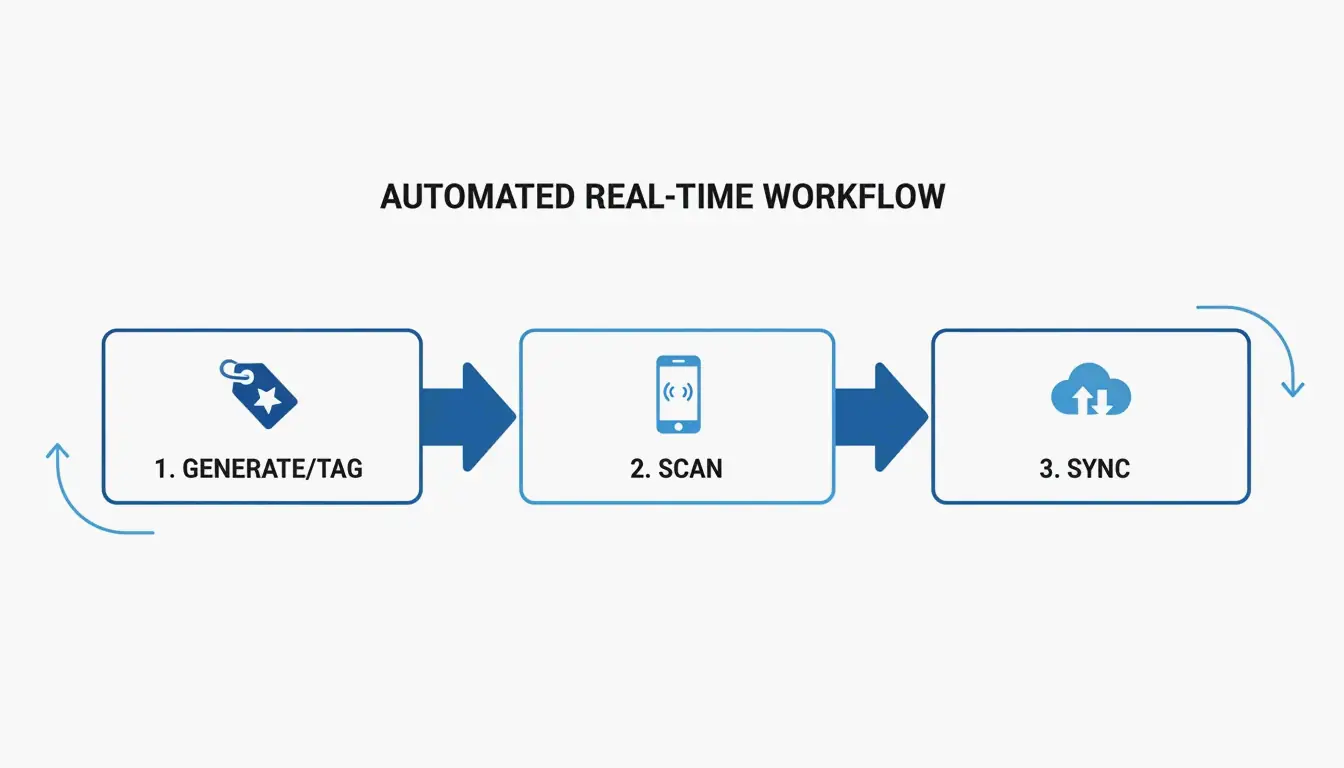
مرحلہ 5: اسکیننگ ورک فلو بنائیں
اسکیننگ کو روزمرہ کے کاموں کا حصہ بنائیں — ہر وصولی، منتقلی، اور ضائع کرنے کے واقعے کی فوری طور پر اندراج ہو جائے۔ اس سے تمام مقامات پر ریئل ٹائم بصیرت پیدا ہوتی ہے۔ inFlow Inventory کے مطابق ایک بنیادی پیشہ ورانہ سیٹ اپ (اسکینر + لیبل پرنٹر + سافٹ ویئر سبسکرپشن) کی عام لاگت $200–$800 ہوتی ہے۔
1D بمقابلہ 2D بارکوڈز: فکسڈ ایسیٹ کے لیے کون سا؟
یہ انتخاب ڈیٹا کی گنجائش پر منحصر ہے:
- 1D بارکوڈز (کلاسک سیاہ دھاریاں) بنیادی SKU شناخت کے لیے کام کرتے ہیں — 20–80 کریکٹرز۔
- 2D QR کوڈز 4,000 کریکٹرز تک ذخیرہ کر سکتے ہیں اور ان میں دیکھ بھال کے لنکس، بیچ ڈیٹا، اور سیریل نمبرز شامل کیے جا سکتے ہیں۔
QuickBooks فکسڈ ایسیٹ کے لیے 2D کوڈز کی سفارش کرتا ہے کیونکہ وہ زیادہ بھرپور ڈیٹا کی سہولت دیتے ہیں جو اثاثے کے مکمل لائف سائیکل میں مفید رہتا ہے۔
فکسڈ ایسیٹ بمقابلہ انوینٹری: مختلف لیبلنگ حکمت عملی
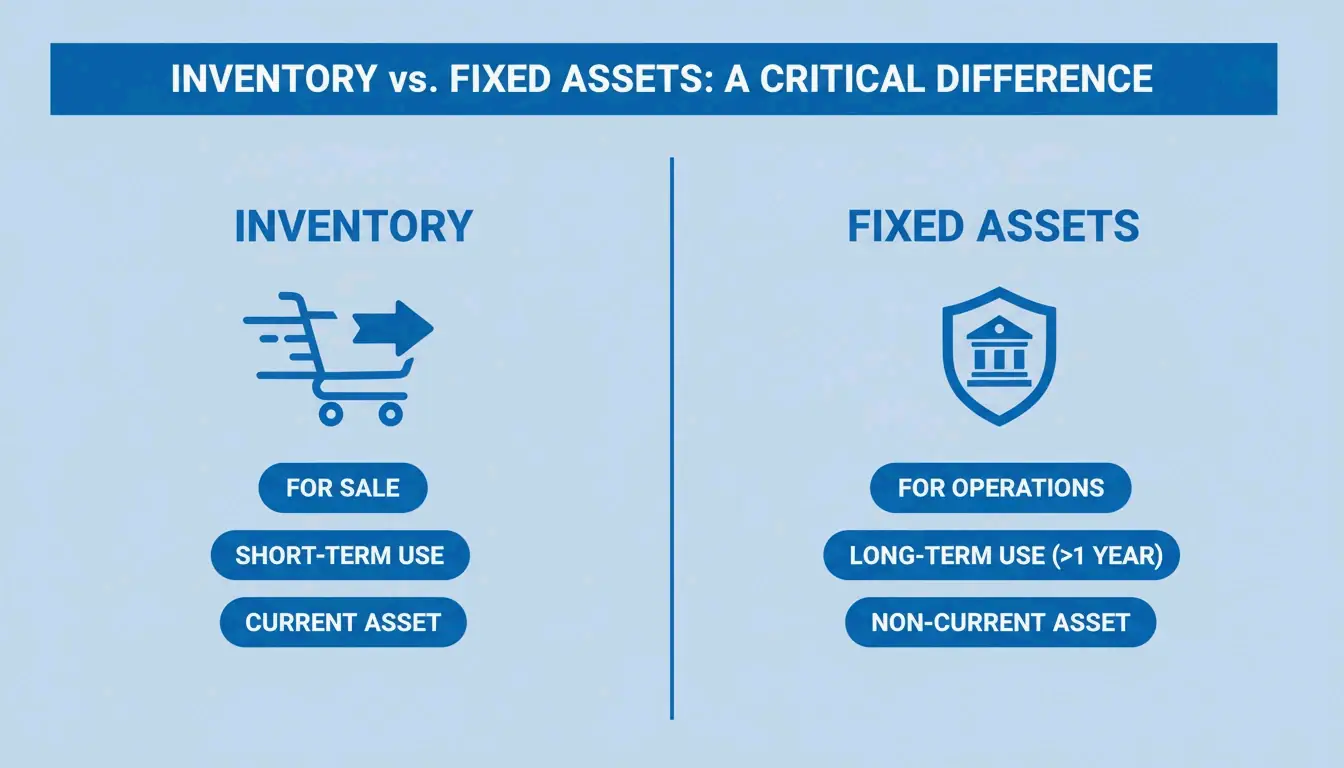
ایک عام ایس ایم ای کی غلطی فکسڈ ایسیٹ اور انوینٹری کو ایک ہی طرح سے لینا ہے۔ یہ بنیادی طور پر مختلف ہیں:
| خصوصیت | انوینٹری | فکسڈ ایسیٹ |
|---|---|---|
| لائف سائیکل | تیز — اشیاء فروخت ہو جاتی ہیں | طویل — اشیاء کمپنی کے ساتھ رہتی ہیں |
| مالی اثر | آمدنی | وقت کے ساتھ گھٹاوالی قیمت |
| لیبل کی پائیداری | معیاری لیبلز | انڈسٹریل گریڈ، موسم کے خلاف |
GSM Barcoding پر زور دیتی ہے کہ معیاری لیبلز بارکوڈز کو برسوں تک پڑھنے کے قابل رکھتے ہیں، چاہے سخت ماحول ہو۔ TAG Samurai کے مطابق مناسب ایسیٹ ٹریکنگ نقصان روک کر اور استعمال کو بہتر بنا کر آپریشنل اخراجات میں 20% کی کمی لا سکتی ہے۔
خودکار گھٹاوالی قیمت اپ ڈیٹس
جدید نظام ERP/POS انضمام کے ذریعے جسمانی اسکینز کو آپ کے مالیاتی سافٹ ویئر سے جوڑتے ہیں۔ ایک ہی اسکین QuickBooks یا Xero جیسے اکاؤنٹنگ پلیٹ فارمز کو اپ ڈیٹ کر دیتی ہے، جس سے فنانس ٹیموں کو ریئل ٹائم ایسیٹ ویلیوز اور خودکار گھٹاوالی قیمت کی شیڈولنگ ملتی ہے — کوئی مینول ڈیٹا انٹری نہیں۔
2026 کا ہارڈویئر: اسمارٹ اسکینرز اور ویئریبلز
ہارڈویئر کورڈڈ اسکینرز سے آگے بڑھ چکا ہے:
- اے آئی پر مبنی اسمارٹ فونز: 2026 کی موبائل ایپس کمپیوٹر وژن استعمال کر کے ایک ساتھ متعدد کوڈز اسکین کرتی ہیں، یہاں تک کہ تاریک گوداموں میں بھی۔
- ویئریبل اسکینرز: انگوٹھی یا دستانے پر لگے آلات کارکنوں کو اشیاء منتقل کرنے کے ساتھ ساتھ ڈیٹا درج کرنے دیتی ہیں — ہاتھ سے پھرا۔
- RFID: بارکوڈز سے مہنگا مگر اعلیٰ قیمت اثاثوں کے لیے مقبول ہو رہا ہے۔ سیدھی نظر کی ضرورت نہیں — چند سیکنڈوں میں پورے کمرے کا آڈٹ کر لیں۔
لاگت و فائدہ: کم قیمت سافٹ ویئر بمقابلہ انٹرپرائز ERP
زیادہ تر ایس ایم ای کے لیے، ایک مخصوص انوینٹری ایپ ($20–$50 ماہانہ) پیچیدہ انٹرپرائز ERP سے بہتر کارکردگی دکھاتی ہے۔ اگرچہ myWMS یا Openboxes جیسے مفت اوپن سورس اختیارات موجود ہیں، انہیں برقرار رکھنے کے لیے کافی تکنیکی مہارت درکار ہوتی ہے۔
The Retail Exec تنبیہ کرتا ہے کہ مفت سافٹ ویئر کی “چھپی ہوئی لاگت” اکثر سیکیورٹی کمزوریوں یا اہم آڈٹس کے دوران سپورٹ کی عدم موجودگی کی صورت میں سامنے آتی ہے۔
ان ضروری خصوصیات کی تلاش کریں:
– کم اسٹاک الرٹس
– تمام آلات پر کلاؤڈ سنکنگ
– ملٹی یوزر اجازتیں
– اسپریڈشیٹ سے بلک امپورٹ
نتیجہ
بارکوڈ پر مبنی فکسڈ ایسیٹ سسٹم ان ایس ایم ای کے لیے اب اختیاری نہیں رہا جو درستگی اور کارکردگی چاہتے ہیں۔ پانچ مرحلوں والا یہ طریقہ — SKU متعین کرنا، کلاؤڈ سافٹ ویئر چننا، اندرونی QR کوڈز منتخب کرنا، سستی ہارڈویئر چنی، اور روزانہ کی اسکیننگ ورک فلو بنانا — $800 سے کم میں درستگی کو 63% سے 99% تک پہنچا سکتا ہے۔
اگلا قدم: اپنے موجودہ اثاثوں کا آڈٹ کریں، ایک توسیع دینے والا پلیٹ فارم (Zoho، inFlow، یا Sortly) منتخب کریں، اور ایک ایسیٹ کیٹگری پر چھوٹا QR کوڈ پائلٹ چلائیں۔ وہاں سے پھیلائیں۔
اکثر پوچھے جانے والے سوالات
2026 میں اندرونی بارکوڈز اور GS1 رجسٹرڈ بارکوڈز کی قیمت میں کیا فرق ہے؟
اندرونی بارکوڈز (Code 128 یا QR کوڈز) آپ کے انوینٹری سافٹ ویئر سے مفت بنائے جا سکتے ہیں۔ GS1 بارکوڈز کے لیے سالانہ ممبرشپ کے ساتھ چھوٹے بیچوں میں تقریباً $30 فی بارکوڈ درکار ہوتا ہے۔ آپ کو GS1 کوڈز تب ہی درکار ہیں جب آپ وال مارٹ یا ایمیزون جیسے بڑی عالمی ریٹیلرز کے ذریعے فروخت کرتے ہیں۔
کیا میں فکسڈ ایسیٹ آڈٹس کے لیے ایک پیشہ ورانہ بارکوڈ اسکینر کے طور پر اسمارٹ فون استعمال کر سکتا ہوں؟
جی ہاں۔ اے آئی اسکیننگ ایپس کے ساتھ جوڑے گئے 2026 کے اسمارٹ فون کیمرے کم تا درمیانہ حجم کے آڈٹس مؤثر طریقے سے نبٹاتے ہیں، صفر اضافی ہارڈویئر لاگت کے ساتھ۔ زیادہ حجم والی اسکیننگ یا سخت ماحول (تعمیراتی سائٹس، گودام) کے لیے، پائیداری، رفتار، اور بیٹری لائف کے لیے ایک مخصوص ہینڈ ہیلڈ یا ویئریبل اسکینر کی سفارش کی جاتی ہے۔
میں بغیر کسی ڈاؤن ٹائم کے اسپریڈشیٹس سے آٹومیٹڈ بارکوڈ سسٹم تک کیسے منتقل ہوں؟
ایک ایسیٹ کیٹگری پر پائلٹ پروگرام سے شروع کریں۔ لیبل چھاپنے سے پہلے اپنے نئے سافٹ ویئر کی بلک اپ لوڈ خصوصیت استعمال کر کے موجودہ اسپریڈشیٹ ڈیٹا درآمد کریں۔ روزمرہ کے کاموں میں رکاوٹ سے بچنے کے لیے جسمانی ٹیگنگ غیر مصروف اوقات میں کریں۔ ایک بار پائلٹ کامیابی سے چلنے لگے تو کیٹگری بہ کیٹگری پھیلائیں۔
متعلقہ پوسٹس
بے ترتیب فون نمبر جنریٹر: ٹیسٹنگ، SMS تصدیق اور DevOps انضمام
حقیقی بے ترتیب نمبرز کیسے بنائے جاتے ہیں: TRNG، PRNG اور CSPRNG کی مکمل وضاحت