Rastgele Numaralı İsim Üreteci: İsimlere Anında Numara Atayın
Hızlı Özet
- Rastgele numaralı isim üreteci, bir isim listesine rastgele numaralar atayan veya rastgele numaralarla etiketlenmiş isimler üreten bir araçtır. Sınıf etkinlikleri, çekilişler, sıra numaraları ve daha fazlası için adil ve tarafsız sonuçlar sağlar.
- Bir rastgele numaralı isim üreteci , bir isim listesine rastgele numaralar atayan veya rastgele numaralarla etiketlenmiş isimler üreten bir araçtır.
- Neden Rastgele Numaralar İsimlerle Eşleştirilmeli?
Editoryal Süreç
SectoJoy tarafından incelenmiş ve 22 Haziran 2026 tarihinde yayınlanmıştır. Bu makale, ürün detayları, örnekler veya araç kılavuzları değiştiğinde güncellenir. Son güncelleme 22 Haziran 2026.
SectoJoy
Pratik SaaS ürünleri oluşturmaya odaklanan, iOS ve web uygulamaları geliştiren bağımsız bir geliştiriciyim. yapay zeka SEO konusunda uzmanım ve akıllı teknolojilerin sürdürülebilir büyüme ve verimlilik sağlama potansiyelini sürekli araştırıyorum.
Bir rastgele numaralı isim üreteci, bir isim listesine rastgele numaralar atayan veya rastgele numaralarla etiketlenmiş isimler üreten bir araçtır. İster bir sınıf etkinliği yürütüyor, ister çekiliş düzenliyor, ister sıra pozisyonları atıyor veya bingo kartları oluşturuyor olun, isimleri öngörülemez numaralarla eşleştirmek adaleti sağlar ve önyargıları ortadan kaldırır. Bu rehber, hızlı online araçlardan kendi uygulamalarınıza gömebileceğiniz programatik yaklaşımlara kadar her pratik yöntemi adım adım anlatmaktadır.
Daha geniş bir rastgeleleştirme yardımcı programı seti arıyorsanız — isim olmadan bağımsız sayılar üretmek dahil — number random generator rehberimiz tüm yelpazeyi kapsamaktadır.
Neden Rastgele Numaralar İsimlerle Eşleştirilmeli?
İsimlere rastgele numaralar atamak somut bir sorunu çözer: herkesin adil olduğuna güven yaptığı seçimler nasıl yapılır. Bir insan bir şapkadan isim seçtiğinde, gözlemciler önyargıdan şüphelenebilir. Bilgisayar, doğrulanmış bir rastgele algoritma kullanarak numara atadığında sonuç şeffaftır ve (gerektiğinde) yeniden üretilebilirdir.
Yaygın kullanım senaryoları şunlardır:
- Çekilişler ve ödül dağıtımları : Her katılımcının adına rastgele bir bilet numarası verilir; kazanan numara ayrı olarak çekilir.
- Sınıf seçicileri : Bir öğretmen öğrenci isimlerini yükler, araç her birine rastgele bir numara atar ve en düşük (veya en yüksek) numara soruyu yanıtlar.
- Oyun turnuvaları : Eşleşme gruplarını belirlemek için oyuncular rastgele numaralarla serpiştirilir.
- Vardiya planlaması : Popüler olmayan vardiyaları adil dağıtmak için çalışanlara rastgele sıra numaraları verilir.
- Araştırma rastgeleleştirmesi : Klinik denemeler veya anketlerde, körlemeyi sürdürmek için katılımcılara rastgele kimlik numaraları atanır.
Tüm bu senaryolardaki temel gereksinim, atamanın öngörülemez ve tekdüze olmasıdır; her isim herhangi bir numarayı alma olasılığına eşit olarak sahiptir.
Rastgele Numaralı İsim Üreteci Nasıl Çalışır?
Özünde süreç oldukça basittir:
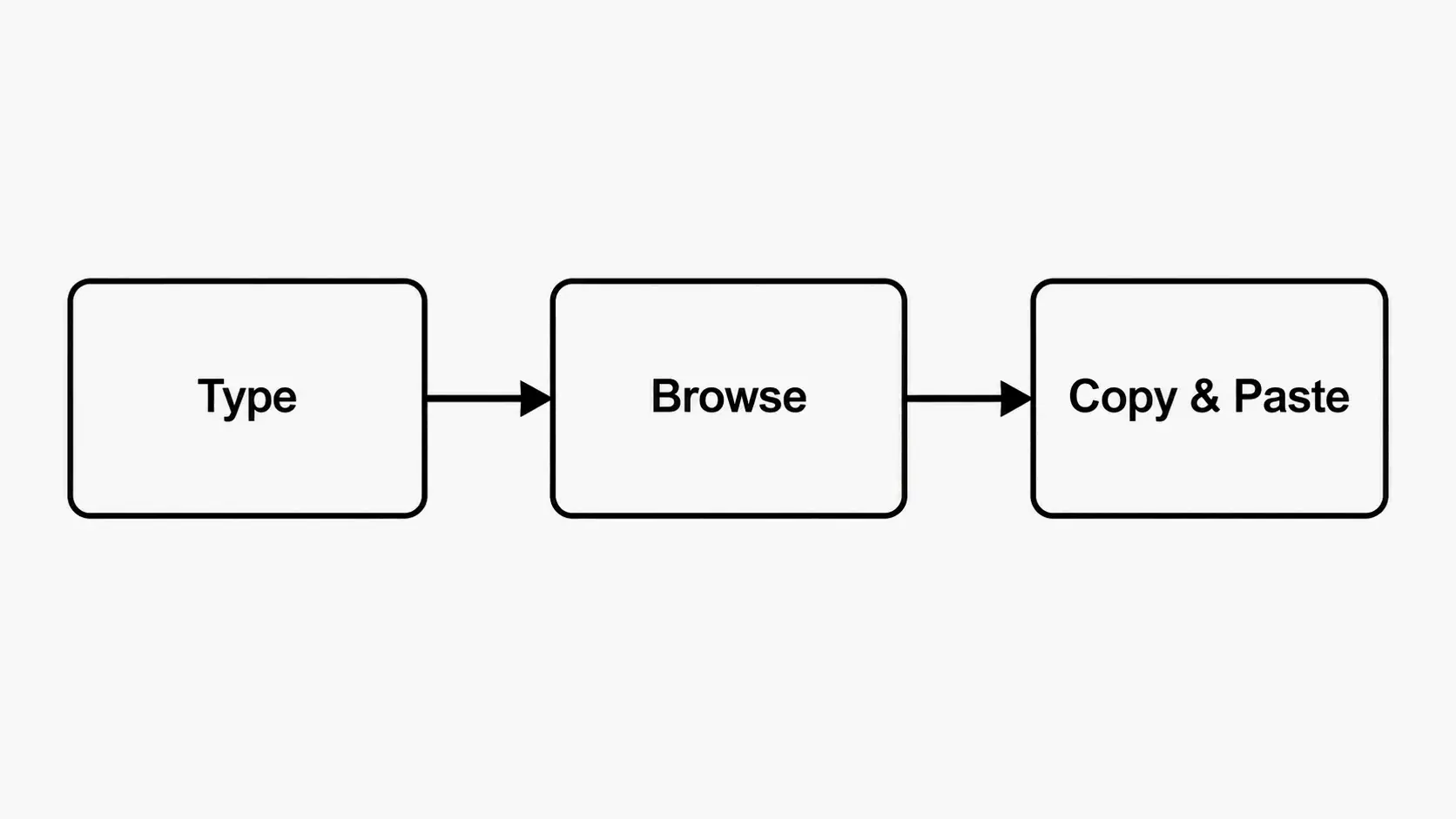
- İsim listesi girin (elle yazarak, bir elektronik tablodan yapıştırarak veya bir dosyadan yükleyerek).
- Listeyi bir rastgeleleştirme algoritması kullanarak karıştırın.
- Karıştırılan her isme ardışık veya rastgele numaralar atayın.
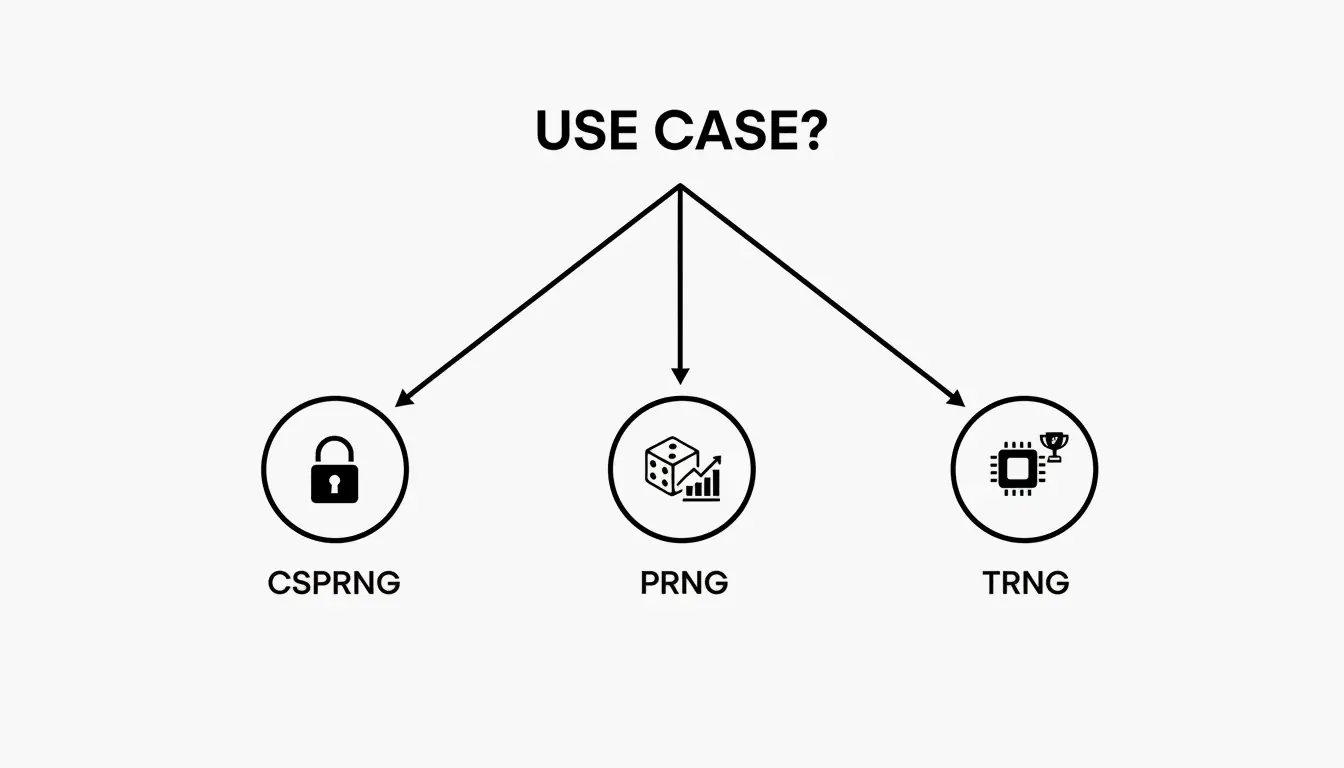
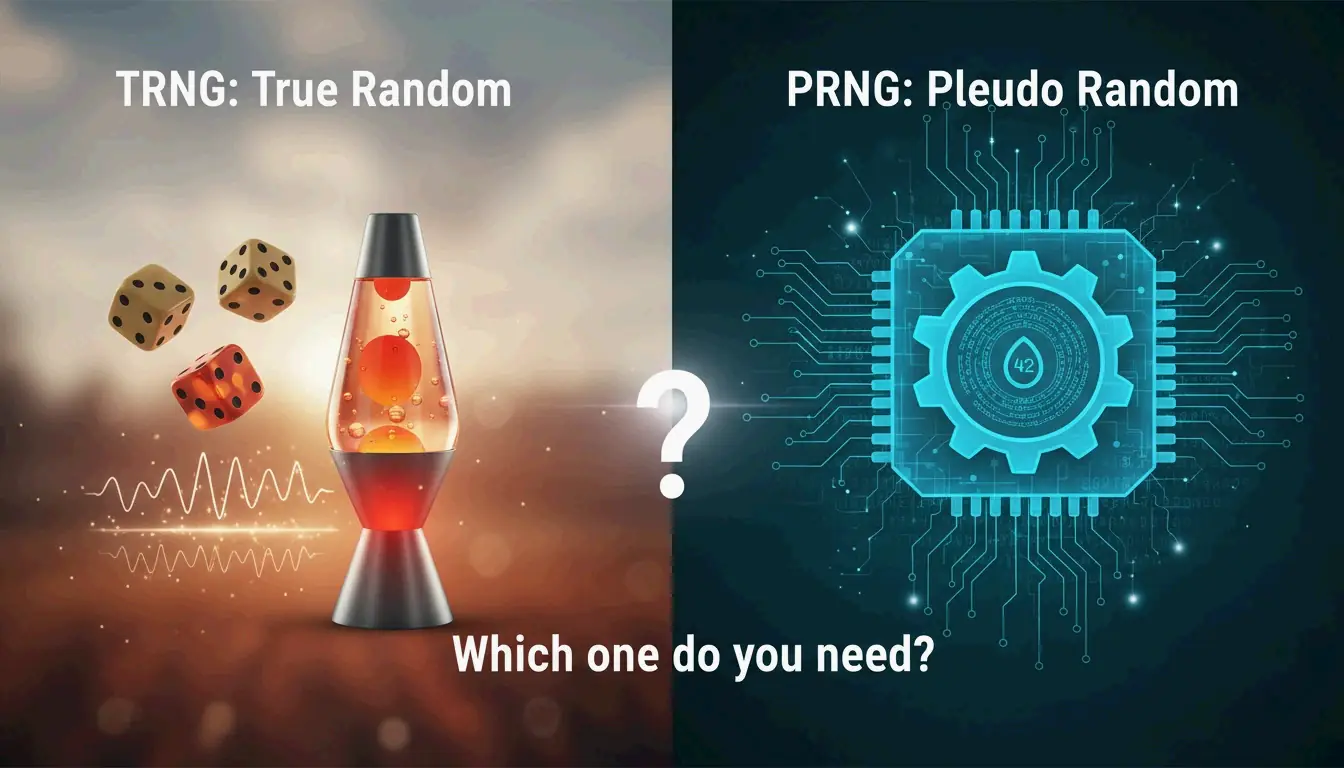
Rastgelelik 2. adımdan gelir. İyi bir üreteç, yüksek entropili bir kaynak tarafından tohumlanan bir sözderastgele sayı üreteci (PRNG) kullanır. Günlük kullanım için, JavaScript’teki yerleşik Math.random() veya Python’daki random.shuffle() yeterlidir. Para veya yasal adalet içeren uygulamalar için, kriptografik olarak güvenli bir PRNG (CSPRNG) kullanılmalıdır.
Karıştırma ile Numara Atama
İki farklı yaklaşım vardır:
- Önce karıştır, sonra numaralandır : İsim listesi rastgele karıştırılır, ardından her isim yeni konumuna karşılık gelen numarayı alır (1, 2, 3…). Bu en yaygın ve sezgisel yöntemdir.
- İsim başına rastgele numara : Her isim bir aralıktan bağımsız olarak rastgele bir numara alır (ör. 1–1000). Yinelenen numaralar mümkündür, bu nedenle bir beraberlik bozma kuralına ihtiyaç duyulur.
Çoğu kullanım durumunda, önce karıştır-sonra numaralandır yaklaşımı daha temizdir çünkü çarpışma olmadan benzersiz numaralar garanti eder.
Rastgele Numara-İsim Ataması için En İyi Online Araçlar
Birkaç web tabanlı araç, kurulum gerektirmeden numaradan isme atamayı anında gerçekleştirir:
1. Çark Döndürme Araçları
Bir random wheel, bir ismi rastgele seçmenin en görsel ve etkileyici yollarından biridir. İsimleri girersiniz, çarkı döndürürsünüz ve araç bir ismin üzerine düşer; bu da etkili bir şekilde o isme “kazanan” pozisyonunu atar. Bu, özellikle izleyicinin rastgele süreci eylem halinde görmesi gereken sınıf etkinlikleri ve canlı yayınlanan çekilişler için idealdir.
Çark tabanlı araçlar, döndürme sonucunun yalnızca kozmetik bir animasyon olmadığını ve gerçekten öngörülemez olduğunu sağlamak için genellikle Web Crypto API’yi (crypto.getRandomValues()) kullanır.
2. Liste Karıştırıcılar
Liste karıştırıcı araçlar bir metin bloğu kabul eder (her satıra bir isim) ve isimleri 1’den N’ye kadar numaralandırılmış, rastgele sırada döndürür. Birçoğu ayrıca şunları destekler:
- Grup bölme : İsimleri eşit büyüklükteki takımlara rastgele ayırır.
- Ağırlıklı rastgele : Bazı isimler daha yüksek olasılık alır (ağırlıklı çekilişler için yararlıdır).
- Dışa aktarma : Karıştırılmış listeyi CSV veya PDF olarak indirir.
3. Numaralı Çekiliş Üreteçleri
Özel çekiliş üreteçleri her isme benzersiz bir bilet numarası atar, ardından bir veya daha fazla kazanan numara çeker. dogenerator.com’daki random number generator, kazanan numarayı ayrı olarak çekmek için kullanılabilir ve bu, ekstra bir şeffaflık katmanı ekler: katılımcılar numara aralığını ve çekilişi bağımsız olarak doğrulayabilir.
Kendi Rastgele Numaralı İsim Üretecinizi Nasıl Oluşturursunuz
Özel bir çözüme ihtiyacınız varsa — belki uygulamanıza veya iş akışınıza entegre edilmiş — popüler dillerdeki uygulamalar şunlardır.
Python Uygulaması
Python’ın random modülü bunu oldukça kolaylaştırır. Python’ın rastgele özelliklerine daha derin bir dalış için Python random number generator rehberine bakın.
import random

def assign_numbers_to_names(names: list[str], start: int = 1) -> list[tuple[str, int]]:
    """Shuffle names and assign sequential numbers."""
    shuffled = names[:]  # copy to avoid mutating input
    random.shuffle(shuffled)
    return [(name, i) for i, name in enumerate(shuffled, start=start)]

names = ["Alice", "Bob", "Charlie", "Diana", "Eve"]
result = assign_numbers_to_names(names)
for name, number in result:
    print(f"#{number:03d} — {name}")
Çıktı:
#001 — Charlie
#002 — Alice
#003 — Eve
#004 — Diana
#005 — Bob
Kriptografik olarak güvenli bir sürüm için, random.shuffle ifadesini güvenli bir alternatifle değiştirin:
import secrets

def secure_assign(names: list[str]) -> list[tuple[str, int]]:
    indices = list(range(len(names)))
    # Fisher-Yates shuffle with secrets.randbelow
    for i in range(len(indices) - 1, 0, -1):
        j = secrets.randbelow(i + 1)
        indices[i], indices[j] = indices[j], indices[i]
    return [(names[indices[i]], i + 1) for i in range(len(names))]
Atama para, yasal yükümlülükler veya öngörülebilirliğin adil olmayacağı herhangi bir senaryoyu içerdiğinde secure_assign() fonksiyonunu kullanın.
JavaScript (Tarayıcı) Uygulaması
function assignNumbers(names) {
    const shuffled = [...names];
    // Fisher-Yates shuffle
    for (let i = shuffled.length - 1; i > 0; i--) {
        const j = Math.floor(Math.random() * (i + 1));
        [shuffled[i], shuffled[j]] = [shuffled[j], shuffled[i]];
    }
    return shuffled.map((name, idx) => ({
        name,
        number: idx + 1
    }));
}

// For cryptographic security, use:
function secureAssign(names) {
    const shuffled = [...names];
    const array = new Uint32Array(shuffled.length);
    crypto.getRandomValues(array);
    // Sort by random values
    const indexed = shuffled.map((name, i) => ({ name, rand: array[i] }));
    indexed.sort((a, b) => a.rand - b.rand);
    return indexed.map((item, i) => ({ name: item.name, number: i + 1 }));
}
secureAssign fonksiyonu, tarayıcı standardı CSPRNG olan crypto.getRandomValues() kullanır ve çekilişler ile ödül dağıtımları için uygundur.
Java Uygulaması
Java tabanlı uygulamalar için, tam bir anlatım için Java random number generator rehberine bakın. Temel mantık:
import java.util.*;

public class NumberNameGenerator {
    public static List<Map.Entry<String, Integer>> assign(List<String> names) {
        List<String> shuffled = new ArrayList<>(names);
        Collections.shuffle(shuffled);
        List<Map.Entry<String, Integer>> result = new ArrayList<>();
        for (int i = 0; i < shuffled.size(); i++) {
            result.add(Map.entry(shuffled.get(i), i + 1));
        }
        return result;
    }
}
Güvenlik açısından hassas kullanım için, varsayılan Collections.shuffle() yerine SecureRandom kullanın:
import java.security.SecureRandom;

Collections.shuffle(shuffled, new SecureRandom());
Gerçek Dünya Uygulamaları Detaylı olarak
Sınıf Rastgele Seçicileri
Öğretmenler, katılımın adil dağıtılmasını sağlamak için sık sık öğrencileri rastgele çağırmak zorundadır. Bir rastgele numaralı isim üreteci bunu çözer: sınıf kütüğünü yükleyin, her öğrenciye bir numara atayın ve numarası çıkan öğrenciyi çağırın. Birçok öğretmen numaralandırılmış fiziksel dondurma çubukları kullanır, ancak dijital araçlar bazı avantajlar sunar:
- Hazırlık yok : Kütüğü bir kez yapıştırın, her gün yeniden kullanın.
- İzleme : Bazı araçlar hangi öğrencilerin çağrıldığını kaydeder ve herkes katılımcı olana kadar tekrarları önler.
- Hız : Bir saniyenin altında rastgele bir seçim üretin.
Çekiliş ve Hediye Dağıtım Sistemleri
Online çekilişlerde güveni sürdürmek için şeffaflık kritiktir. İyi tasarlanmış bir çekiliş sistemi şöyle çalışır:
- Katılımcı isimlerini toplayın (form, yorum veya check-in yoluyla).
- Rastgele karıştırma kullanarak her isme benzersiz bir numara atayın.
- Kazananı seçmek için ayrı bir rastgele numara çekilişi kullanın.
- Numara aralığını ve kazanan numarayı yayınlayın, böylece katılımcılar doğrulayabilir.
Bu iki adımlı süreç (karıştırma + ayrı çekiliş), kazanan numaranın isim-numara atamasından bağımsız olarak üretildiği için organizatörün sonucu manipüle etmesini önler.
Turnuva Serpiştirmesi
E-spor ve spor turnuvalarında, grup pozisyonlarını belirlemek için oyuncular veya takımlar genellikle rastgele serpiştirilir. Bir rastgele numaralı isim üreteci her yarışmacıya bir serpiştirme numarası atar ve bu da ilk tur eşleşmelerini belirler. Serpiştirmenin adil olması, turnuvanın bütünlüğünü doğrudan etkiler.
Büyük turnuvalar genellikle şunları kullanır:
– Herkese açık bir rastgeleleştirme seremonisi (canlı yayınlanan).
– Denetlenebilir koda sahip bir CSPRNG.
– Serpiştirme algoritmasının üçüncü taraf doğrulaması.
Vardiya ve Görev Ataması
Vardiya atamalarının çatışma kaynağı olduğu iş yerlerinde, atamayı rastgeleleştirmek algılanan kayırmacılığı ortadan kaldırır. Her çalışanın adı girilir ve üreteç vardiya numaralarını atar. Bir çalışan belirli bir vardiyada çalışamıyorsa, o turdan çıkarılabilir ve sonraki tur için yeniden girilebilir.
Adalet Garantileri: Nelere Dikkat Edilmeli
Tüm rastgele numaralı isim üreteçleri eşit yaratılmamıştır. İşte adil bir araç ile şüpheli olanı ayıran şeyler:
| Kriter | Adil Üreteç | Şüpheli Üreteç |
|---|---|---|
| Algoritma | Fisher-Yates shuffle veya CSPRNG | Özel veya açıklanmamış algoritma |
| Şeffaflık | Kod açık kaynaklı veya denetlenebilir | Kara kutu, belge yok |
| Yeniden üretilebilirlik | İsteğe bağlı: doğrulama için tohum sağlayabilir | Sonuçları doğrulama yolu yok |
| Tekdüzelik | Her isim eşit olasılığa sahip | Bazı isimler daha sık görünür |
| Bağımsızlık | Her atama öncekinden bağımsızdır | Birden çok çalıştırmada desenler ortaya çıkar |
Günlük kullanım için (sınıf seçimleri, parti oyunları), Math.random() veya random.shuffle() kullanan herhangi bir üreteç uygundur. Parasal ödüllü çekilişler için yasal uyumluluk bir CSPRNG ve belgelenmiş rastgelelik testi gerektirebilir.
İsimlere Rastgele Numara Atarken Yapılan Yaygın Hatalar
Hata 1: Önyargılı Karıştırma Kullanmak
Tüm karıştırma algoritmaları eşit değildir. Naif bir yaklaşım — her öğeyi rastgele bir öğeyle değiştirmek — önyargılı sonuçlar üretebilir çünkü bazı permütasyonlar diğerlerinden daha olasıdır. Fisher-Yates shuffle (Knuth shuffle olarak da adlandırılır) standart önyargısız algoritmadır. O(n) sürede çalışır ve olası her permütasyonu eşit olasılıkla üretir.
Hata 2: Tohumları Yeniden Kullanmak
Sabit tohumlu bir PRNG kullanırsanız, “rastgele” atama her seferinde aynı olacaktır. Bu hata ayıklama için yararlıdır ancak adalet için yıkıcıdır. Her zaman yüksek entropili bir kaynaktan (sistem saati, /dev/urandom veya crypto.getRandomValues()) tohumlayın.
Hata 3: Yinelenen Numaraları Görmezden Gelmek
Bir aralıktan rastgele numaralar atarken (karıştırma yerine), aralık isim sayısına göre küçükse çarpışmalar olasıdır. Doğum günü paradoksu, 23 isim ve 1–365 aralığıyla %50 yinelenen numara olasılığı olduğu anlamına gelir. Benzersizliği garantilemek için her zaman önce karıştır-sonra numaralandır kullanın.
Hata 4: Sonuçları Kaydetmemek
Yüksek bahisli herhangi bir atama için (ödül çekilişleri, turnuva serpiştirmesi), giriş listesini, zaman damgasını ve çıktıyı kaydedin. Bu, sonuç tartışıldığında bir denetim izi sağlar.
İleri Düzey: Ağırlıklı Rastgele Atama
Bazen adalet, bazı isimlere seçilme şansı daha yüksek vermek anlamına gelir. Örneğin:
- Bir çekilişte, satın alınan her bilet alıcının ağırlığını artırır.
- Bir sınıfta, son zamanlarda çağrılmamış öğrenciler daha yüksek ağırlık alır.
- Bir anket örneğinde, demografik gruplar aşırı örneklenebilir.
Python’ın random.choices() fonksiyonu ağırlıklı seçimi destekler:
import random

names = ["Alice", "Bob", "Charlie"]
weights = [1, 3, 1]  # Bob has 3x the chance

selected = random.choices(names, weights=weights, k=1)
print(selected[0])  # e.g., "Bob"
Tüm isimlerin ağırlıklı ataması için (yalnızca birini seçmek yerine), ağırlıklı karıştırma veya değiştirmeden tekrarlanan ağırlıklı seçim kullanın.
Sonuç
Bir rastgele numaralı isim üreteci, seçimlerde, atamalarda ve çekilişlerde adaleti sağlamak için basit ama güçlü bir araçtır. Temel ilkeler şunlardır: uygun bir karıştırma algoritması (Fisher-Yates) kullanın, yüksek entropili bir kaynaktan tohumlayın ve yüksek bahisli senaryolar için denetlenebilir sonuçlara sahip bir CSPRNG kullanın. Çark döndürücüler ve liste karıştırıcılar gibi online araçlar çoğu günlük ihtiyacı anında karşılar; yukarıdaki Python ve JavaScript uygulamaları ise özel entegrasyonlar için size tam kontrol sağlar.
Kullanım durumunuza göre doğru araçla başlayın: görsel, canlı izleyicili seçimler için bir random wheel; toplu atamalar için bir liste karıştırıcı; veya programatik kontrole ihtiyaç duyduğunuzda özel bir betik. En önemlisi, sürecin tüm katılımcılar tarafından şeffaf, önyargısız ve güvenilir olmasıdır.
SSS
Yinelenen numaralar olmadan isimlere rastgele numaralar atayabilir miyim?
Evet. Önce karıştır-sonra numaralandır yaklaşımını kullanın: isim listesini rastgele karıştırın (Fisher-Yates kullanarak), ardından yeni sıraya göre ardışık numaralar (1, 2, 3, …) atayın. Bu, her ismin çarpışma olmadan benzersiz bir numara almasını garanti eder.
Rastgele seçim ile rastgele atama arasındaki fark nedir?
Rastgele seçim, bir listeden bir veya daha fazla isim seçer (bir kazanan çekmek gibi). Rastgele atama, her isme bir numara veya pozisyon verir (sıra pozisyonları atamak gibi). İkisi de rastgeleleştirme kullanır, ancak seçim listeyi azaltırken atama listeyi korur.
Aynı anda kaç ismi rastgeleleştirebilirim?
Çoğu online araç sorunsuz bir şekilde yüzlerce ila binlerce isim işleyebilir. Programatik çözümler (Python, JavaScript) milyonlarca ismi bir saniyenin altında karıştırabilir. Sınırlayıcı faktör genellikle tarayıcı veya elektronik tablo kullanıcı arayüzüdür, algoritma değil.
Bir rastgele numaralı isim üreteci çekilişler için adil mi?
Algoritmaya bağlıdır. Günlük çekilişler için Math.random() veya random.shuffle() kullanan herhangi bir araç uygundur. Parasal ödüllü çekilişler için, bir CSPRNG tarafından desteklenen bir araç (tarayıcılarda crypto.getRandomValues() veya Python’da secrets modülü gibi) kullanın ve denetlenebilirlik için süreci belgelendirin.
Belirli isimlerin daha sık seçilmesi için ağırlık verebilir miyim?
Evet. Ağırlıklı rastgele seçim kullanın (ör. Python’da bir weights parametresiyle random.choices()). Bu, her bilet satın alımının alıcının şansını artırdığı çekilişlerde veya son zamanlarda katılmamış öğrencilerin daha yüksek öncelik aldığı sınıflarda yaygındır.
Sıkça Sorulan Sorular
Neden Rastgele Numaralar İsimlerle Eşleştirilmeli?
İsimlere rastgele numaralar atamak somut bir sorunu çözer: herkesin adil olduğuna güven yaptığı seçimler nasıl yapılır. Bir insan bir şapkadan isim seçtiğinde, gözlemciler önyargıdan şüphelenebilir. Bilgisayar, doğrulanmış bir rastgele algoritma kullanarak numara atadığında sonuç şeffaftır ve (gerektiğinde) yeniden üretilebilirdir. Yaygın kullanım senaryoları şunlardır:
Rastgele Numaralı İsim Üreteci Nasıl Çalışır?
Özünde süreç oldukça basittir: İsim listesi girin (elle yazarak, bir elektronik tablodan yapıştırarak veya bir dosyadan yükleyerek). Listeyi bir rastgeleleştirme algoritması kullanarak karıştırın. Karıştırılan her isme ardışık veya rastgele numaralar atayın.
Yinelenen numaralar olmadan isimlere rastgele numaralar atayabilir miyim?
Evet. Önce karıştır-sonra numaralandır yaklaşımını kullanın: isim listesini rastgele karıştırın (Fisher-Yates kullanarak), ardından yeni sıraya göre ardışık numaralar (1, 2, 3, …) atayın. Bu, her ismin çarpışma olmadan benzersiz bir numara almasını garanti eder.
Rastgele seçim ile rastgele atama arasındaki fark nedir?
Rastgele seçim, bir listeden bir veya daha fazla isim seçer (bir kazanan çekmek gibi). Rastgele atama, her isme bir numara veya pozisyon verir (sıra pozisyonları atamak gibi). İkisi de rastgeleleştirme kullanır, ancak seçim listeyi azaltırken atama listeyi korur.
Aynı anda kaç ismi rastgeleleştirebilirim?
Çoğu online araç sorunsuz bir şekilde yüzlerce ila binlerce isim işleyebilir. Programatik çözümler (Python, JavaScript) milyonlarca ismi bir saniyenin altında karıştırabilir. Sınırlayıcı faktör genellikle tarayıcı veya elektronik tablo kullanıcı arayüzüdür, algoritma değil.
İlgili Yazılar

Font Generator: 2026’da Stilize Metnin Tam Haritası
Estetik Font Üreteci: Şık Unicode Metinler İçin Kapsamlı Rehber

Kaligrafi Font Oluşturucu: Zarif Metin Stilleri İçin Ücretsiz Çevrimiçi Araç