Code 128 vs Code 39: Perbedaan Barcode yang Dijelaskan (2026)
Ringkasan Cepat
- Jika Anda bekerja dengan barcode — baik dalam pengiriman, layanan kesehatan, manufaktur, maupun ritel — Anda pasti pernah menjumpai Code 128 dan Code 39. Panduan ini membedah perbedaannya dan membantu Anda memilih yang tepat.
- Jika Anda bekerja dengan barcode — baik dalam pengiriman, layanan kesehatan, manufaktur, maupun ritel — kemungkinan besar Anda sudah pernah menjumpai Code 128 maupun Code 39 .
- Code 128 vs Code 39 Sekilas Pandang
Proses Editorial
Ditinjau oleh SectoJoy dan diterbitkan pada 19 Juni 2026. Artikel ini diperbarui ketika detail produk, contoh, atau panduan alat berubah. Terakhir diperbarui 19 Juni 2026.
SectoJoy
Saya seorang indie hacker yang membangun aplikasi iOS dan web, dengan fokus pada pembuatan produk SaaS yang praktis. Saya mengkhususkan diri dalam AI SEO, terus mengeksplorasi bagaimana teknologi cerdas dapat mendorong pertumbuhan dan efisiensi yang berkelanjutan.
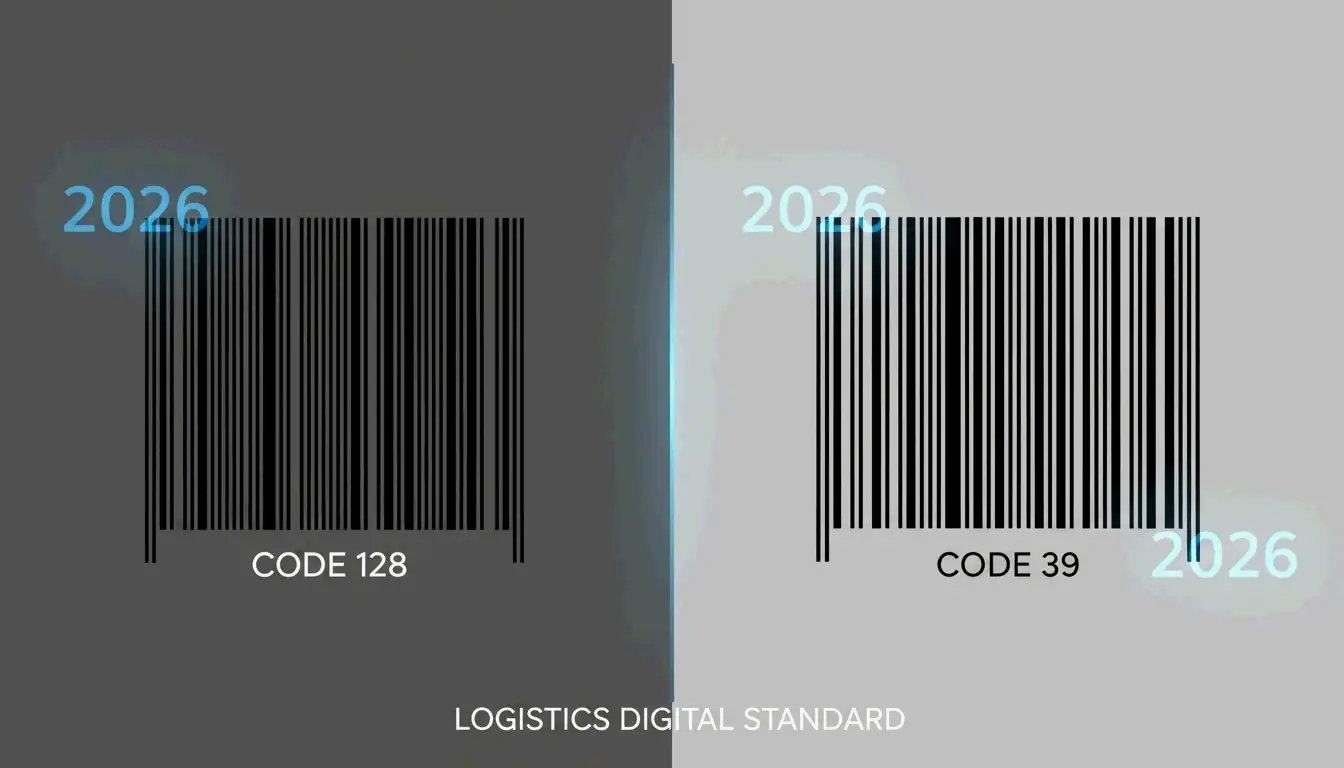
Jika Anda bekerja dengan barcode — baik dalam pengiriman, layanan kesehatan, manufaktur, maupun ritel — kemungkinan besar Anda sudah pernah menjumpai Code 128 maupun Code 39. Keduanya termasuk format barcode 1D yang paling umum, dan di tahun 2026, pilihan di antara keduanya bermuara pada seberapa banyak data yang perlu di-encode dan seberapa besar ruang label yang Anda miliki.
Code 128 adalah standar modern: kepadatan tinggi, mendukung penuh ASCII, dan wajib memiliki check digit. Code 39 adalah alternatif yang lebih lama dan lebih sederhana — cocok untuk string pendek, tetapi jadi rumit saat menangani data yang lebih panjang. Panduan ini membedah perbedaannya dan membantu Anda memilih yang paling tepat.
Code 128 vs Code 39 Sekilas Pandang
| Fitur | Code 128 | Code 39 |
|---|---|---|
| Kepadatan data | Tinggi — memuat lebih banyak data dalam ruang lebih kecil | Rendah — cepat melebar |
| Set karakter | Seluruh 128 karakter ASCII | 43 karakter (huruf besar, angka, beberapa simbol) |
| Dukungan huruf kecil | Bawaan | Hanya lewat mode “Extended” (menggandakan panjang barcode) |
| Check digit | Wajib (Modulo 103) | Opsional |
| Lebar bar/spasi | 4 lebar (1, 2, 3, 4 unit) | 2 lebar (sempit dan lebar) |
| Paling cocok untuk | Logistik, pengiriman, data kompleks | Pelacakan internal sederhana, sistem lama |
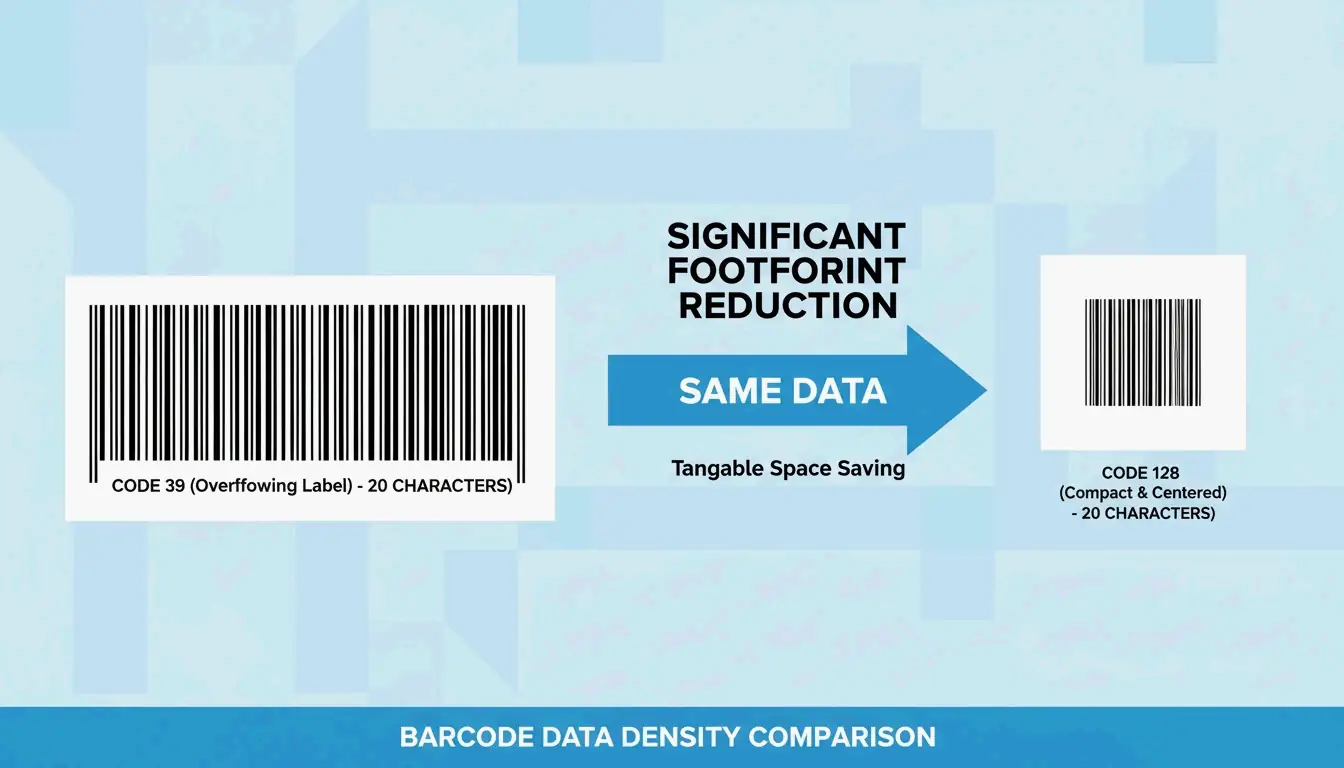
Perbedaan jejak fisiknya sangat mencolok. Menurut Peak Technologies, Anda sebaiknya beralih dari Code 39 ke Code 128 jika string data Anda lebih panjang dari 15 karakter. ID berisi 20 karakter dalam Code 39 mungkin tidak muat di label standar 2 inci, sementara Code 128 tetap menjaganya tetap ringkas.
Scanner modern (area imager dan aplikasi ponsel) membaca kedua format dengan mudah. Namun Code 128 unggul dalam hal keandalan karena deteksi kesalahan bawaannya mencegah kesalahan pembacaan di lingkungan ber volume tinggi.
Kepadatan Data: Mengapa Ini Penting
Kepadatan data adalah seberapa banyak karakter yang muat dalam satu inci barcode. Wikipedia menjelaskan bahwa Code 128 menggunakan empat lebar berbeda untuk bar dan spasi, sementara Code 39 hanya menggunakan dua. Presisi ini membuat Code 128 kira-kira dua kali lebih rapat untuk data numerik — sering kali menjadi satu-satunya barcode 1D yang cocok untuk barang kecil seperti vial medis atau elektronik mungil.
Dukungan Karakter
- Code 39 (Standar): 43 karakter — huruf besar A–Z, angka 0–9, dan sejumlah simbol (-, ., $, /, +, %, spasi).
- Code 128: Seluruh 128 karakter ASCII — huruf besar, huruf kecil, simbol, bahkan karakter kontrol seperti carriage return.
- Code 39 Extended: Bisa meng-encode huruf kecil lewat pasangan karakter (misalnya “+A” untuk huruf kecil “a”), tetapi seperti dicatat Peak Technologies, ini “boros ruang” dan membuat barcode menjadi tidak perlu panjang.
Mengapa Code 128 Menjadi Standar Logistik Modern
Code 128 menggerakkan pengiriman global melalui standar GS1-128, yang memakai “Application Identifier” untuk menyusun data seperti nomor batch, tanggal kedaluwarsa, dan nomor seri.
Check Digit Wajib (Modulo 103)
Pada Code 39, checksum bersifat opsional. Pada Code 128, checksum builtin — barcode menambahkan nilai terhitung yang diverifikasi scanner pada setiap pembacaan. Ini nyaris menghapus risiko pemindaian “salah” di gudang yang sibuk.
Optimalisasi lewat Code Set A, B, dan C
Code 128 tetap ringkas dengan beralih di antara tiga mode internal:
| Code Set | Dioptimalkan untuk | Keunggulan utama |
|---|---|---|
| A | Huruf besar + kode kontrol | Aplikasi industri |
| B | Alfanumerik standar + huruf kecil | Teks serbaguna |
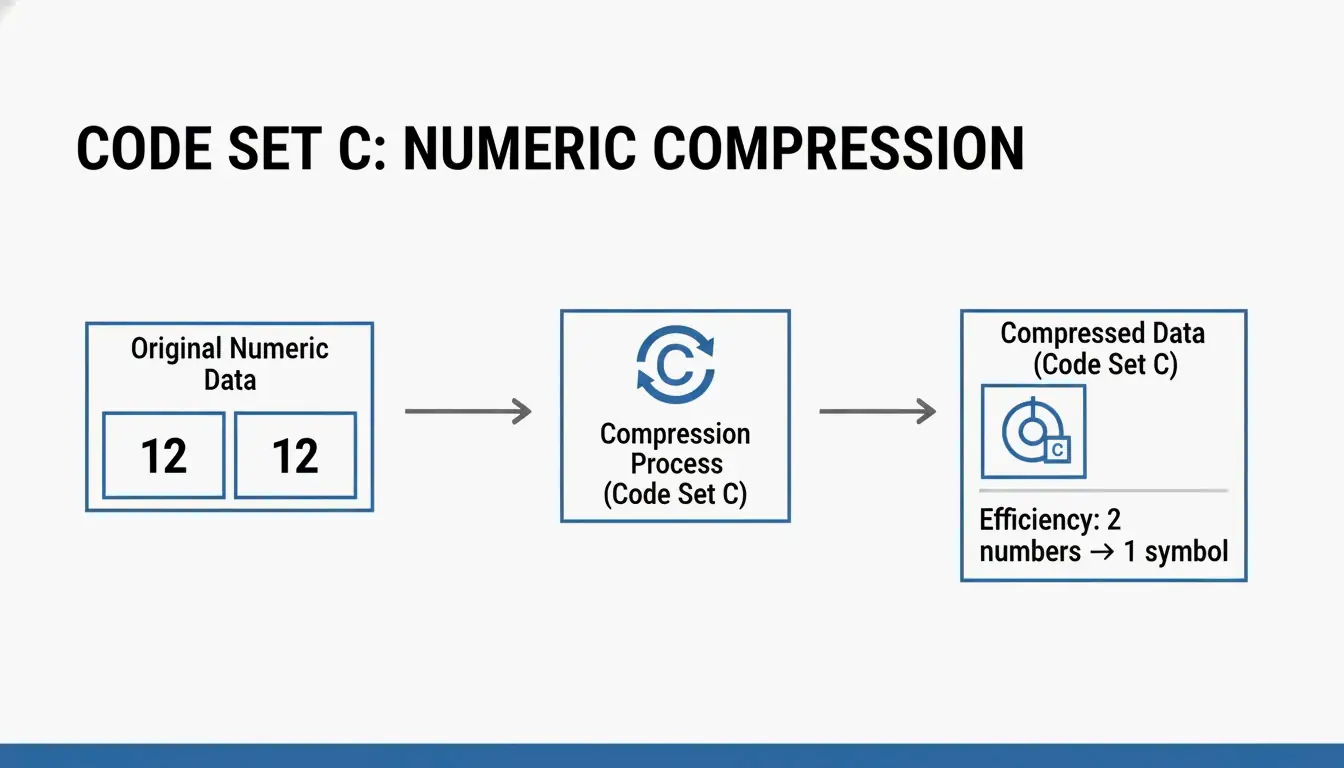
| C | Data numerik saja | Dua digit per simbol — paling efisien untuk angka |
Wikipedia menjelaskan bahwa Code Set C memuat dua digit dalam satu simbol barcode. Untuk string numerik yang panjang, ini sangat efisien. Riset Steven Skiena menunjukkan bahwa pemilihan Code Set yang cerdas bisa membuat barcode 8% lebih kecil rata-rata dibanding memakai pengaturan statis.
Apakah Code 39 Masih Relevan?
Code 39 masih punya tempat di 2026 karena sederhana dan toleran terhadap kesalahan. Ia “self-checking” — jeda antar karakter membantu mengisolasi kesalahan — sehingga cocok bekerja dengan printer resolusi rendah atau scanner industri lawas.
Anda masih akan menemukan Code 39 di:
– Departemen Pertahanan AS (standar LOGMARS)
– Pelacakan internal Layanan kesehatan
– Sistem lawas Otomotif
Masalah muncul dengan Code 39 Extended. Meng-encode satu huruf kecil “a” memerlukan pencetakan “+A” — menggandakan panjang barcode. Jika ID pelacakan Anda memakai campuran huruf besar-kecil, Code 39 Extended adalah pilihan yang buruk.
Spesifikasi Teknis: X-Dimension dan Quiet Zone
Seberapa baik sebuah barcode terbaca bergantung pada X-dimension — lebar bar tersempit. Menurut standar GS1 2026, X-dimension minimum untuk kasir ritel adalah 0.264 mm (0.0104 inches).
Kedua format juga memerlukan Quiet Zone — ruang putih kosong di kedua ujung barcode, setidaknya 10× lebar bar tersempit. Tanpa zona ini, scanner tidak bisa menentukan di mana barcode dimulai dan di mana berakhir.
Kompatibilitas Scanner
| Jenis Scanner | Paling Cocok Dengan | Catatan |
|---|---|---|
| Scanner laser | Barcode yang lebih panjang dan lebih tinggi | Membutuhkan jalur laser yang jelas melintasi seluruh bar |
| Area imager (standar 2026) | Kedua format, termasuk Code 128 berkepadatan tinggi | Mampu membaca label rusak atau miring |
| Kamera ponsel pintar | Keduanya | Dukungan native di iOS/Android |
Menurut Gitnux 2024, sektor ritel menangani 42% pemindaian harian global — alasan mengapa industri bergeser menuju standar area imaging yang lebih andal.
Kesimpulan
Code 39 cukup memadai untuk ID pelacakan internal yang sederhana dan pendek — terutama pada sistem lawas dengan scanner lama. Code 128 adalah pilihan yang jelas untuk hal lain: lebih kecil, mendukung lebih banyak karakter, menyertakan pemeriksaan kesalahan wajib, dan menjadi tulang punggung logistik modern.
Aturan keputusan:
– Data lebih pendek dari 10–15 karakter, hanya huruf besar → Code 39 dapat diterima
– Apa pun yang lebih panjang, atau dengan campuran huruf besar-kecil / simbol → Code 128
– Kepatuhan GS1-128 wajib → Code 128 (tidak ada opsi lain)
Saat merancang label, pastikan bar tersempit Anda memenuhi standar GS1 0.264 mm untuk menjamin keterbacaan di seluruh dunia.
FAQ
Apakah Code 39 bisa meng-encode huruf kecil?
Code 39 standar hanya mendukung huruf besar, angka, dan beberapa simbol. Untuk meng-encode huruf kecil, Anda memerlukan Code 39 Extended, yang menggunakan pasangan karakter (misalnya “+A” untuk “a”). Ini secara signifikan memperpanjang ukuran fisik barcode, membuatnya jauh kurang efisien dibanding Code 128.
Mengapa Code 128 lebih “rapat” daripada Code 39?
Code 128 menggunakan empat lebar bar/spasi (vs. dua pada Code 39), dan Code Set C-nya meng-encode dua digit per simbol. Hal ini membuat Code 128 kira-kira dua kali lebih rapat daripada Code 39 untuk data numerik, menghemat ruang label yang berharga.
Apakah saya perlu check digit untuk barcode Code 39?
Hal itu opsional untuk Code 39, tetapi disarankan di lingkungan berisiko tinggi. Code 128 memiliki checksum Modulo 103 wajib yang terpasang dalam spesifikasinya, sehingga secara inheren lebih andal untuk pemindaian ber volume tinggi.
Jenis barcode mana yang lebih baik untuk barang kecil dengan ruang label terbatas?
Code 128 — kepadatannya yang lebih tinggi berarti Anda bisa mencetaknya pada X-dimension yang lebih besar (lebih mudah dibaca scanner) dalam ruang fisik yang sama, di mana barcode Code 39 akan sesak dan sulit dipindai.
Pertanyaan yang Sering Diajukan
Apakah Code 39 Masih Relevan?
Code 39 masih punya tempat di 2026 karena sederhana dan toleran terhadap kesalahan. Ia “self-checking” — jeda antar karakter membantu mengisolasi kesalahan — sehingga cocok bekerja dengan printer resolusi rendah atau scanner industri lawas. Anda masih akan menemukan Code 39 di: – Departemen Pertahanan AS (standar LOGMARS) – Pelacakan internal Layanan kesehatan – Sistem lawas Otomotif
Apakah Code 39 bisa meng-encode huruf kecil?
Code 39 standar hanya mendukung huruf besar, angka, dan beberapa simbol. Untuk meng-encode huruf kecil, Anda memerlukan Code 39 Extended, yang menggunakan pasangan karakter (misalnya “+A” untuk “a”). Ini secara signifikan memperpanjang ukuran fisik barcode, membuatnya jauh kurang efisien dibanding Code 128.
Mengapa Code 128 lebih “rapat” daripada Code 39?
Code 128 menggunakan empat lebar bar/spasi (vs. dua pada Code 39), dan Code Set C-nya meng-encode dua digit per simbol. Hal ini membuat Code 128 kira-kira dua kali lebih rapat daripada Code 39 untuk data numerik, menghemat ruang label yang berharga.
Apakah saya perlu check digit untuk barcode Code 39?
Hal itu opsional untuk Code 39, tetapi disarankan di lingkungan berisiko tinggi. Code 128 memiliki checksum Modulo 103 wajib yang terpasang dalam spesifikasinya, sehingga secara inheren lebih andal untuk pemindaian ber volume tinggi.
Jenis barcode mana yang lebih baik untuk barang kecil dengan ruang label terbatas?
Code 128 — kepadatannya yang lebih tinggi berarti Anda bisa mencetaknya pada X-dimension yang lebih besar (lebih mudah dibaca scanner) dalam ruang fisik yang sama, di mana barcode Code 39 akan sesak dan sulit dipindai.
Artikel Terkait
EAN-13 vs EAN-8: Format Barcode Mana yang Tepat untuk Produk Anda?