র্যান্ডম জেনারেটর: ২০২৬ সালের জন্য ধরন, অ্যালগরিদম এবং সেরা অনুশীলন
দ্রুত সারসংক্ষেপ
- র্যান্ডম জেনারেটর এমন সংখ্যা বা প্রতীকের ক্রম তৈরি করে যা যুক্তিযুক্তভাবে ভবিষ্যদ্বাণী করা যায় না। এর দুটি প্রধান ধরন রয়েছে — ছদ্ম-র্যান্ডম এবং সত্যিকারের র্যান্ডম। সঠিক টুল বেছে নেওয়ার কৌশল জানুন।
- র্যান্ডম জেনারেটর এমন সংখ্যা বা প্রতীকের একটি ক্রম তৈরি করে যা যুক্তিযুক্তভাবে ভবিষ্যদ্বাণী করা যায় না। এর দুটি প্রধান ধরন রয়েছে: ছদ্ম-র্যান্ডম (অ্যালগরিদম-ভিত্তিক, পুনরুৎপাদনযোগ্য) এবং সত্যিকারের র্যান্ডম (.
- র্যান্ডম জেনারেটর কী? দুটি মূল ধরনের ব্যাখ্যা
সম্পাদকীয় প্রক্রিয়া
SectoJoy দ্বারা পর্যালোচিত এবং ২১ জুন ২০২৬-এ প্রকাশিত। এই প্রবন্ধটি পণ্য বিবরণ, উদাহরণ বা সরঞ্জাম নির্দেশনা পরিবর্তনের সময় রিফ্রেশ করা হয়। সর্বশেষ আপডেট ২১ জুন ২০২৬।
SectoJoy
আমি একজন ইন্ডি হ্যাকার, iOS এবং ওয়েব অ্যাপ্লিকেশন নির্মাণ করি, ব্যবহারিক SaaS পণ্য তৈরির ওপর মনোযোগী। আমি AI SEO-তে বিশেষজ্ঞ, কীভাবে বুদ্ধিমান প্রযুক্তি টেকসই প্রবৃদ্ধি ও দক্ষতা আনতে পারে তা ক্রমাগত অনুসন্ধান করছি।
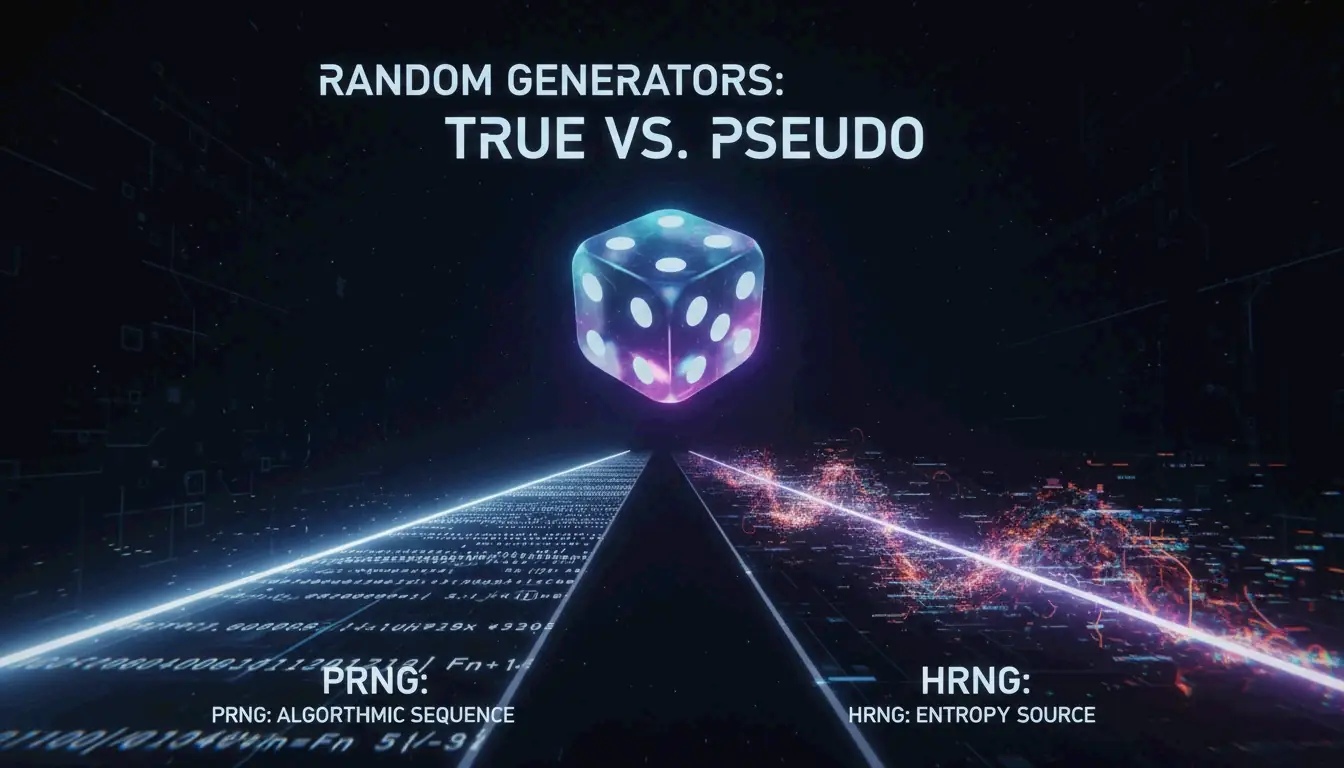
র্যান্ডম জেনারেটর এমন সংখ্যা বা প্রতীকের একটি ক্রম তৈরি করে যা যুক্তিযুক্তভাবে ভবিষ্যদ্বাণী করা যায় না। এর দুটি প্রধান ধরন রয়েছে: ছদ্ম-র্যান্ডম (অ্যালগরিদম-ভিত্তিক, পুনরুৎপাদনযোগ্য) এবং সত্যিকারের র্যান্ডম (প্রকৃতিক এন্ট্রপি উৎস ব্যবহার করে)। আপনার শ্রেণিকক্ষের কার্যকলাপের জন্য দ্রুত একটি পছন্দ প্রয়োজন হোক বা আপনার অ্যাপ্লিকেশনের জন্য ক্রিপ্টোগ্রাফিকভাবে নিরাপদ একটি মান — এই জেনারেটরগুলো কীভাবে কাজ করে তা বোঝা আপনাকে সঠিক টুল বেছে নিতে সাহায্য করে; যেমন dogenerator.com-এর Random Number Generator আপনাকে সরাসরি ব্রাউজারেই তাৎক্ষণিক, নিরপেক্ষ ফলাফল তৈরি করতে দেয়।
র্যান্ডম জেনারেটর কী? দুটি মূল ধরনের ব্যাখ্যা
একটি র্যান্ডম জেনারেটর (যাকে প্রায়ই Random Number Generator বা RNG বলা হয়) হলো এমন একটি ব্যবস্থা যা সংখ্যা বা প্রতীকের এমন একটি ক্রম তৈরি করে যা র্যান্ডম সম্ভাবনার চেয়ে ভালোভাবে ভবিষ্যদ্বাণী করা যায় না। Wikipedia যেমন উল্লেখ করেছে, যেকোনো নির্দিষ্ট ফলাফলের ক্রমে কিছু প্যাটার্ন থাকবেই যা আপনি পেছনের দিকে তাকালে দেখতে পাবেন — কিন্তু আগে থেকে তা অনুমান করা সম্ভব ছিল না। জেনারেটরগুলো প্রধানত দুটি শ্রেণিতে বিভক্ত: Pseudorandom Number Generators (PRNG) এবং Hardware/True Random Number Generators (HRNG/TRNG)।
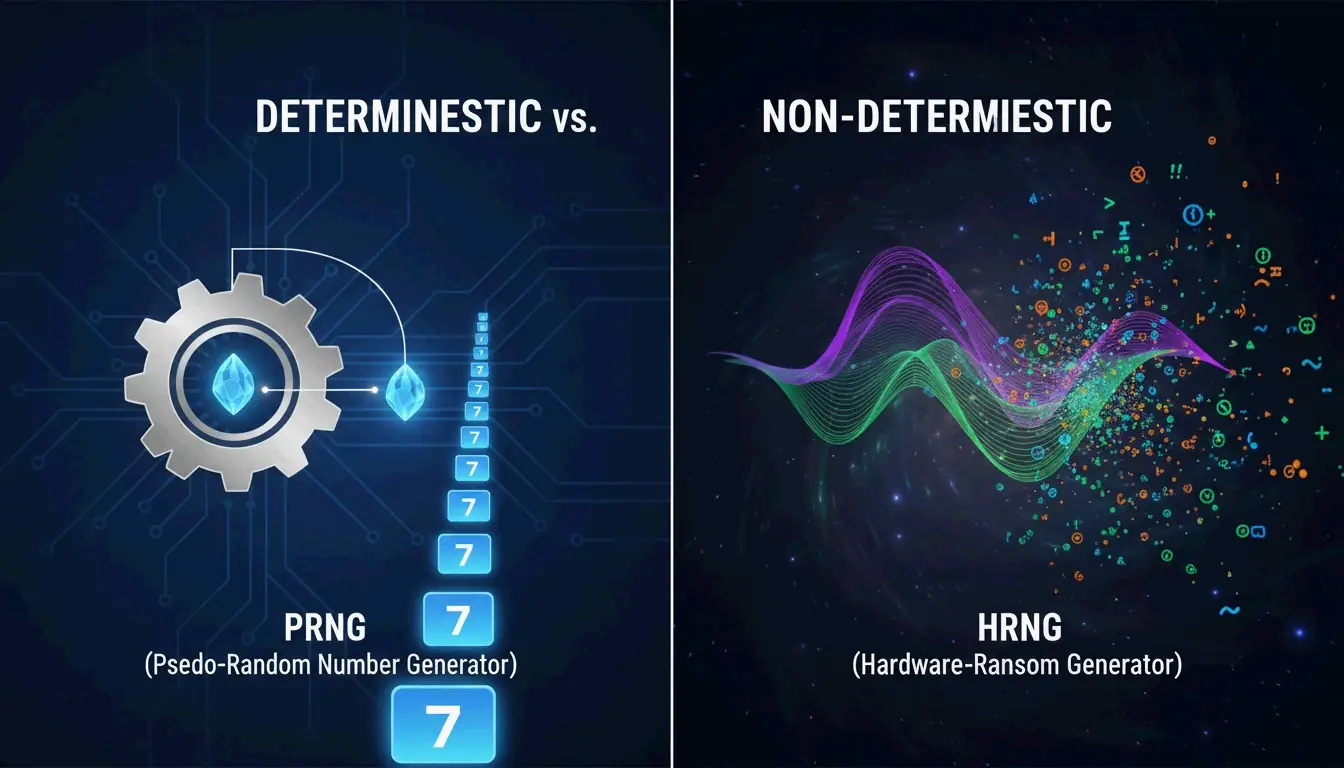
মূল পার্থক্য হলো নির্ধারণবাদ (determinism)। PRNG নির্ধারণবাদী: একই শুরুর অবস্থা (seed) দিলে তারা অভিন্ন ক্রম তৈরি করবে। HRNG অ-নির্ধারণবাদী — এগুলো অপ্রত্যাশিত ভৌত প্রক্রিয়ার উপর নির্ভর করে। এগুলোকে সংযুক্ত করে এমন মূল ধারণাটি হলো এন্ট্রপি উৎস — যে কাঁচামাল থেকে র্যান্ডমনেস আহরণ করা হয়। John von Neumann ১৯৫১ সালে বিখ্যাতভাবে সতর্ক করেছিলেন, “র্যান্ডম সংখ্যা তৈরির গাণিতিক পদ্ধতি নিয়ে যে চিন্তা করে, সে অবশ্যই পাপের অবস্থায় আছে” (Wikipedia)।
Pseudorandom Number Generator (PRNG)
একটি PRNG এমন একটি অ্যালগরিদম যা এমন ক্রম তৈরি করে যার বৈশিষ্ট্যগুলো সত্যিকারের র্যান্ডম ক্রমের কাছাকাছি। এটি সম্পূর্ণভাবে একটি প্রাথমিক মান দ্বারা নির্ধারিত, যাকে seed বলা হয়। PRNG দ্রুত, পুনরুৎপাদনযোগ্য, এবং সিমুলেশন, গেম ও ডিবাগিংয়ের জন্য অপরিহার্য। Wikipedia-এর Random Number Generation নিবন্ধ বলে যে এগুলো “সংখ্যা তৈরির গতি এবং পুনরুৎপাদনযোগ্যতার কারণে ব্যবহারিকভাবে গুরুত্বপূর্ণ।” আপনি যখন বিজয়ী বাছাই বা নাম মেশানোর মতো দৈনন্দিন কাজের জন্য অনলাইন Random Number Generator ব্যবহার করেন, তখন পেছনে সাধারণত একটি ভালোভাবে পরীক্ষিত PRNG কাজ করে।
Hardware Random Number Generator (HRNG) / True RNG
HRNG সত্যিকারের অপ্রত্যাশিত সংখ্যা তৈরি করতে ভৌত ঘটনা পরিমাপ করে — যেমন তাপীয় শব্দ, বায়ুমণ্ডলীয় শব্দ, তেজস্ক্রিয় ক্ষয়, বা কোয়ান্টাম প্রভাব। এগুলো তুলনামূলক ধীর এবং প্রায়ই রেট-সীমিত, কিন্তু ক্রিপ্টোগ্রাফি ও উচ্চ-নিরাপত্তার অ্যাপ্লিকেশনের জন্য অপরিহার্য। Wikipedia ব্যাখ্যা করে যে “হার্ডওয়্যার র্যান্ডম নম্বর জেনারেটরগুলো সাধারণত প্রতি সেকেন্ডে সীমিত সংখ্যক র্যান্ডম বিট তৈরি করে” এবং সেগুলো প্রায়ই একটি দ্রুততর PRNG বীজ দিতে ব্যবহৃত হয়।
ছদ্ম-র্যান্ডম জেনারেটর কীভাবে কাজ করে: অ্যালগরিদম ও Seed
PRNG তাদের অভ্যন্তরীণ অবস্থা শুরু করতে একটি র্যান্ডম seed — একটি শুরুর মান — এর উপর নির্ভর করে। seed সম্পূর্ণ আউটপুট ক্রমটি নির্ধারণ করে। পুনরুৎপাদনযোগ্যতা ডেভেলপারদের ডিবাগিংয়ের জন্য একই ক্রম পুনরায় চালাতে দেয়, যা Monte Carlo সিমুলেশন ও গেম ডেভেলপমেন্টে বড় সুবিধা।
র্যান্ডম Seed: পুনরুৎপাদনযোগ্যতা ও ডিবাগিং
একই seed দিয়ে একটি PRNG চালান, আর আপনি হুবহু একই সংখ্যার ক্রম পাবেন। এটি সিমুলেশন পরীক্ষা ও ডিবাগিংয়ের জন্য অমূল্য। Wikipedia যেমন বলে, “একই র্যান্ডম seed থেকে শুরু করে র্যান্ডম সংখ্যার একই ক্রম আবার চালানোর ক্ষমতা ডিবাগিংকে সহজ করে তোলে।”
Mersenne Twister (MT19937) – সবচেয়ে সাধারণ PRNG
Matsumoto ও Nishimura ১৯৯৮ সালে উদ্ভাবিত Mersenne Twister হলো R ভাষা এবং Python 2.3 সংস্করণ থেকে ডিফল্ট জেনারেটর (Wikipedia)। এর 2^19937 − 1 এর বিশাল পিরিয়ড এবং চমৎকার পরিসংখ্যানগত বৈশিষ্ট্য রয়েছে, যা এটিকে সিমুলেশন ও অ-ক্রিপ্টোগ্রাফিক অ্যাপ্লিকেশনের জন্য উপযুক্ত করে। কিন্তু এটি ক্রিপ্টোগ্রাফিকভাবে নিরাপদ নয় — কেউ যদি যথেষ্ট আউটপুট পর্যবেক্ষণ করে, তবে তারা এর অভ্যন্তরীণ অবস্থা বের করে ফেলতে পারে।
আধুনিক PRNG: Xorshift এবং Xoroshiro128+
উচ্চ গতির প্রয়োজনীয় অ্যাপ্লিকেশনের জন্য — যেমন ভিডিও গেম বা রিয়েল-টাইম সিমুলেশন — Xorshift (2003) এবং এর উত্তরসূরি Xoroshiro128+ (2018) জনপ্রিয় পছন্দ। আধুনিক 64-বিট CPU-তে Xoroshiro128+ সবচেয়ে দ্রুততর জেনারেটরগুলোর একটি (Wikipedia)। এগুলো গতির বিনিময়ে ছোট পিরিয়ড ব্যবহার করে, এবং এগুলোও ক্রিপ্টোগ্রাফিকভাবে নিরাপদ নয়।
Cryptographically Secure PRNG (CSPRNG) এবং NIST স্ট্যান্ডার্ড
CSPRNG ভবিষ্যদ্বাণী প্রতিরোধ করতে ডিজাইন করা, এমনকি আক্রমণকারী অ্যালগরিদমটি জানলে এবং অনেক আউটপুট দেখলেও। এগুলো এনক্রিপশন, কী তৈরি এবং প্রমাণীকরণ টোকেনের জন্য প্রয়োজন। NIST SP 800-90A CTR_DRBG এবং Hash_DRBG সহ কয়েকটি CSPRNG অ্যালগরিদম মানক করে (Wikipedia)। উল্লেখযোগ্য CSPRNG-এর মধ্যে রয়েছে Blum Blum Shub (1986) এবং ChaCha20-এর মতো স্ট্রিম সাইফার।
এন্ট্রপি উৎস: সত্যিকারের র্যান্ডমনেসের হৃদয়
একটি এন্ট্রপি উৎস হলো সেই কাঁচা ভৌত ইনপুট যা সত্যিকারের RNG-এর জন্য অপ্রত্যাশিততা সরবরাহ করে। উচ্চমানের এন্ট্রপি ছাড়া, সেরা অ্যালগরিদমও সত্যিকারের র্যান্ডম সংখ্যা তৈরি করতে পারে না। Wikipedia যেমন ব্যাখ্যা করেছে, উদাহরণগুলোর মধ্যে রয়েছে তাপীয় শব্দ, শট শব্দ, ইলেকট্রনিক সার্কিটে জিটার, ব্রাউনিয়ান গতি, এবং বায়ুমণ্ডলীয় শব্দ।

বাস্তব বিশ্বে ভৌত এন্ট্রপি উৎস
Joshua Coleman-এর সাম্প্রতিক একটি প্রকল্প (মে ২০২৬, Hackaday) পুরনো নিয়ন ল্যাম্পকে এন্ট্রপি উৎস হিসেবে ব্যবহার করেছে। একটি শক্তিশালী নিয়ন ল্যাম্পের অপ্রত্যাশিত স্রাব হার অপটিক্যালি পরিমাপ করা হয়, এবং অ্যানালগ রিডিংগুলো SHA-256 64-বিট মান তৈরি করতে একটি Raspberry Pi Pico W দ্বারা প্রক্রিয়াজাত করা হয়। এটি একটি চমৎকার উদাহরণ যে কীভাবে হবিইস্ট ও গবেষণা পরিবেশে র্যান্ডমনেসের জন্য ভৌত ঘটনাকে কাজে লাগানো যায়। তবে, মন্তব্যকারীরা উল্লেখ করেছেন যে এ ধরনের ব্যবস্থাকে বৈশিষ্ট্যায়িত করা তুচ্ছ নয় — পাওয়ার সাপ্লাই ও পরিবেশগত উপাদানের মাধ্যমে কাপলিং কার্যকর এন্ট্রপি কমাতে পারে।
অনলাইন টুল ও এন্ট্রপি: আপনার যা জানা দরকার
বেশিরভাগ অনলাইন র্যান্ডম জেনারেটর সত্যিকারের হার্ডওয়্যার উৎসের বদলে PRNG ব্যবহার করে। উদাহরণস্বরূপ, Wheel of Names স্পষ্টভাবে বলে যে এটি Math.random()-এর বদলে crypto.getRandomValues() — একটি ব্রাউজার-ভিত্তিক CSPRNG — ব্যবহার করে। “সত্যিকারের র্যান্ডমনেস” দাবি করে এমন টুলগুলোর আপনাকে বলা উচিত যে তারা কোন এন্ট্রপি উৎস ব্যবহার করছে। সবসময় পরীক্ষা করুন একটি সাইট হার্ডওয়্যার এন্ট্রপি (যেমন Random.org-এ বায়ুমণ্ডলীয় শব্দ) ব্যবহার করে নাকি অ্যালগরিদমিক PRNG।
আপনার কাজের জন্য সঠিক র্যান্ডম জেনারেটর কীভাবে বেছে নেবেন
সঠিক জেনারেটর বেছে নেওয়া নির্ভর করে পারফরম্যান্স, পুনরুৎপাদনযোগ্যতা, নিরাপত্তা এবং ন্যায্যতার মধ্যে ভারসাম্যের উপর। আপনার যদি একটি দলীয় কার্যকলাপের জন্য র্যান্ডম পছন্দ করার দ্রুত, ভিজ্যুয়াল উপায় প্রয়োজন হয়, তবে dogenerator.com-এর Random Wheel একটি ইন্টারঅ্যাকটিভ স্পিনিং অভিজ্ঞতা দেয় যা নির্বাচনকে মজাদার ও স্বচ্ছ করে তোলে।
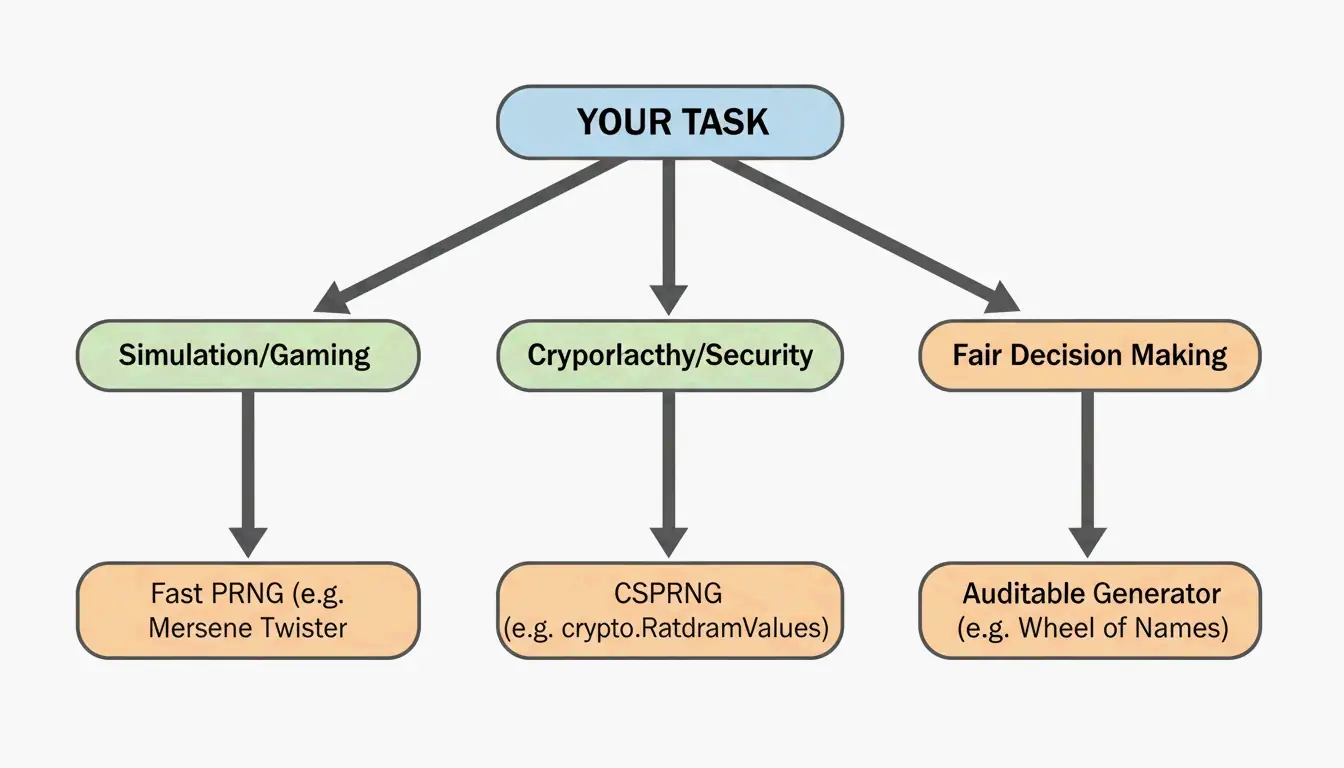
সিমুলেশন ও গেমিংয়ের জন্য: পারফরম্যান্স ও পুনরুৎপাদনযোগ্যতায় মনোযোগ
Monte Carlo সিমুলেশন, ভিডিও গেম, এবং প্রসিডিউরাল কন্টেন্ট তৈরিতে Mersenne Twister বা Xoroshiro128+-এর মতো দ্রুত PRNG উপকারী। একটি নির্দিষ্ট seed-এর মাধ্যমে পুনরুৎপাদনযোগ্যতা আপনাকে ডিবাগ করতে এবং প্রতিটি রানে সামঞ্জস্যপূর্ণ ফলাফল পেতে দেয়।
ক্রিপ্টোগ্রাফি ও নিরাপত্তার জন্য: Math.random()-এর উপর কখনো নির্ভর করবেন না
JavaScript-এ Math.random() (এবং অন্যান্য ভাষায় অনুরূপ ফাংশন) সাধারণত Xorshift128+-এর মতো একটি PRNG — ক্রিপ্টোগ্রাফিকভাবে নিরাপদ নয়। Wheel of Names যেমন স্পষ্ট করেছে, তারা ইচ্ছাকৃতভাবে Math.random() এড়িয়ে যায় এবং ব্রাউজারের crypto.getRandomValues() (একটি CSPRNG যা অপারেটিং সিস্টেমের উচ্চ-এন্ট্রপি উৎস থেকে টানে) ব্যবহার করে। নিরাপত্তা-সম্পর্কিত যেকোনো কিছুর জন্য সবসময় একটি CSPRNG ব্যবহার করুন।
ন্যায্য সিদ্ধান্ত গ্রহণের জন্য: অনলাইন র্যান্ডম জেনারেটর মূল্যায়ন
শিক্ষক, স্ট্রিমার এবং প্রতিযোগিতার আয়োজকদের এমন জেনারেটর প্রয়োজন যা স্বচ্ছ এবং যাচাইযোগ্য। এমন টুল খুঁজুন যা:
– তাদের অ্যালগরিদম প্রকাশ করে (যেমন CSPRNG বা PRNG)
– একটি স্বাধীন র্যান্ডমনেস অডিট সরবরাহ করে, যেমন Wheel of Names-এর “Run 10,000 Spins” ফিচার
– গোপনীয়তা প্রবিধানের (যেমন ভারতের DPDP, EU-এর GDPR ও US-এর CCPA) সাথে সম্মতি রাখে এবং প্রবিষ্ট ডেটা সংরক্ষণ করে না
একটি অনলাইন র্যান্ডম জেনারেটরের গুণমান কীভাবে যাচাই করবেন (ব্যবহারিক গাইড)
অনেকেই মনে করেন সব র্যান্ডম জেনারেটর সমানভাবে নির্ভরযোগ্য — কিন্তু তা সত্য নয়। গুণমান যাচাই করার উপায় এখানে দেওয়া হলো।
পরিসংখ্যানগত র্যান্ডমনেস টেস্ট বোঝা
কাই-বর্গ টেস্ট (Chi-square test), Diehard tests, এবং TestU01-এর মতো পেশাদার টেস্টগুলো পরীক্ষা করে যে একটি ক্রমে অ-র্যান্ডমনেসের ইঙ্গিত দেয় এমন প্যাটার্ন আছে কিনা। PsychicScience.org জেনারেটর সমভাব্যতা ও স্বাধীনতার জন্য অন্তর্নির্মিত কাই-বর্গ যাচাই অন্তর্ভুক্ত করে। প্রত্যাশা করুন যে প্রায় ১০-এ ১টি টেস্ট কেবল সম্ভাবনার কারণেই ব্যর্থ হবে — এটাই স্বাভাবিক।

অনলাইন র্যান্ডম জেনারেটর পরীক্ষার জন্য একটি ব্যবহারিক চেকলিস্ট
- অ্যালগরিদম প্রকাশনীয়তা পরীক্ষা করুন – সাইটটি কি বলে যে এটি
Math.random()নাকিcrypto.getRandomValues()ব্যবহার করে? - অন্তর্নির্মিত র্যান্ডমনেস অডিট খুঁজুন – Wheel of Names একটি “Run 10,000 Spins” ফিচার অফার করে। ২০২৬ সালের হিসাবে, প্ল্যাটফর্মটি 462 মিলিয়নের বেশি হুইল স্পিন এবং 1.28 মিলিয়ন ঘণ্টা স্পিনিং কার্যকলাপের কথা জানিয়েছে।
- ছোট নমুনা দিয়ে পরীক্ষা করুন – ১০০টি সংখ্যা তৈরি করুন এবং পর্যায়ক্রমিক ক্রমের মতো স্পষ্ট প্যাটার্ন খুঁজুন।
- স্বাধীন টেস্ট চালান – প্রযুক্তিগত জ্ঞান থাকলে Dieharder বা TestU01-এর মতো টুল ব্যবহার করুন।
কেন আপনার গোপনীয়তা নীতি পরীক্ষা করা উচিত
একটি অনলাইন জেনারেটর ব্যবহার করার সময় — বিশেষ করে প্রতিযোগিতা বা সংবেদনশীল নির্বাচনের জন্য — যাচাই করুন যে সাইটটি আপনার ডেটা সংরক্ষণ বা পুনরায় ব্যবহার করে না। Wheel of Names বলে যে এটি GDPR ও CCPA মেনে চলে এবং গোপনীয়তা-প্রথম লোকাল স্টোরেজ অফার করে। একটি স্পষ্ট গোপনীয়তা নীতি একটি ভালো লক্ষণ।
ব্যবহারিকভাবে র্যান্ডম জেনারেটর ব্যবহার: টুল ও API
প্রোগ্রামিং API: কখন কোনটি ব্যবহার করবেন
| ব্যবহারের ক্ষেত্র | প্রস্তাবিত API | মন্তব্য |
|---|---|---|
| সাধারণ-উদ্দেশ্য (Python) | random মডিউল (Mersenne Twister) |
দ্রুত, পুনরুৎপাদনযোগ্য, নিরাপদ নয় |
| ক্রিপ্টোগ্রাফি (Python) | secrets মডিউল বা os.urandom |
CSPRNG |
| JavaScript ব্রাউজার | crypto.getRandomValues() |
CSPRNG |
| JavaScript Node.js | crypto.randomBytes() |
CSPRNG |
| Java | SecureRandom |
CSPRNG; Random হলো PRNG |
| Unix/Linux | /dev/urandom বা /dev/random |
CSPRNG (নন-ব্লকিং) |
| Windows | CryptGenRandom |
CSPRNG |
নির্দিষ্ট ভাষায় র্যান্ডম নম্বর তৈরি বাস্তবায়ন করতে চাওয়া ডেভেলপারদের জন্য dogenerator.com নিবেদিত গাইড সরবরাহ করে: Python Random Number Generator টিউটোরিয়ালটি random ও secrets মডিউলগুলো গভীরভাবে আলোচনা করে, আর Java Random Number Generator গাইডটি Random বনাম SecureRandom ব্যাখ্যা করে। C++ ডেভেলপাররা আধুনিক <random> হেডার কৌশলের জন্য C++ Random Number Generator রিসোর্স অন্বেষণ করতে পারেন।
সবার জন্য অনলাইন র্যান্ডম জেনারেটর
- Wheel of Names – CSPRNG সহ ভিজ্যুয়াল স্পিনার, ওজনযুক্ত এন্ট্রি, মাল্টি-হুইল, স্ট্রিমিং সাপোর্ট।
- Random.org – বায়ুমণ্ডলীয় শব্দ থেকে সত্যিকারের র্যান্ডমনেস, পূর্ণসংখ্যা ও ক্রম সরবরাহ করে।
- Generate‑Random.org – CSPRNG সংখ্যা, পূর্ণসংখ্যা, দশমিক, মৌলিক সংখ্যা, NIST SP 800-90A সম্মতি সহ।
- PsychicScience.org – অন্তর্নির্মিত কাই-বর্গ যাচাই সহ ফ্রি র্যান্ডম সংখ্যা।
উন্নত রূপান্তর: Fisher-Yates এবং Box-Muller
Fisher-Yates shuffle সুষমভাবে বিতরণকৃত র্যান্ডম পূর্ণসংখ্যা ব্যবহার করে একটি অ্যারে র্যান্ডমভাবে পারমিউট করে। Box-Muller ট্রান্সফর্ম দুটি সুষম র্যান্ডম সংখ্যাকে একটি স্বাভাবিকভাবে বিতরণকৃত জোড়ায় রূপান্তর করে। উভয়ই একটি সুষম উৎস থেকে অ-সুষম বিতরণ তৈরির মৌলিক কৌশল।
র্যান্ডম জেনারেটর সম্পর্কে সাধারণ ভুল ধারণা
ভুল ধারণা: Math.random() ক্রিপ্টোগ্রাফিকভাবে নিরাপদ।
এটি নিরাপদ নয়। JavaScript-এর Math.random() Xorshift128+-এর মতো একটি PRNG ব্যবহার করে এবং ভবিষ্যদ্বাণীযোগ্য। নিরাপত্তার জন্য crypto.getRandomValues() ব্যবহার করুন।
ভুল ধারণা: সব অনলাইন র্যান্ডম জেনারেটর একই।
এগুলো অ্যালগরিদম, এন্ট্রপি উৎস এবং স্বচ্ছতায় আলাদা। কিছু Math.random() ব্যবহার করে, অন্যরা CSPRNG ব্যবহার করে, এবং কয়েকটি (যেমন Random.org) ভৌত এন্ট্রপি ব্যবহার করে। সবসময় যাচাই করুন।
ভুল ধারণা: ক্রিপ্টোগ্রাফির জন্য time() seed যথেষ্ট।
বর্তমান সিস্টেম সময়কে seed হিসেবে ব্যবহার করা ভবিষ্যদ্বাণীযোগ্য। একজন আক্রমণকারী একটি সীমিত সময়ের মধ্যে seed অনুমান করতে পারে। CSPRNG একাধিক উৎস থেকে (যেমন হার্ডওয়্যার টাইমিং, ব্যবহারকারীর ইনপুট) উচ্চ-এন্ট্রপি seed-এর উপর নির্ভর করে।
উপসংহার
একটি ছদ্ম-র্যান্ডম জেনারেটর ও একটি সত্যিকারের র্যান্ডম জেনারেটরের মধ্যে পার্থক্য বোঝা — ন্যায্য নির্বাচন, সিমুলেশন বা ক্রিপ্টোগ্রাফি যেই হোক না কেন — সঠিক টুল বেছে নেওয়ার চাবিকাঠি। আপনার যখন দৈনন্দিন ব্যবহারের জন্য র্যান্ডম মান তৈরি করার প্রয়োজন হয়, একটি বিশ্বস্ত number random generator সাধারণ নম্বর বাছাই থেকে শুরু করে জটিল বিতরণ পর্যন্ত সবকিছু সামলাতে পারে। আপনি যখন একটি অনলাইন র্যান্ডম জেনারেটর ব্যবহার করেন, তখন সবসময় এর অ্যালগরিদম পরীক্ষা করুন, স্বাধীন র্যান্ডমনেস যাচাই (যেমন Wheel of Names-এর “Run 10,000 Spins” ফিচার) খুঁজুন, এবং নিশ্চিত করতে গোপনীয়তা নীতি পর্যালোচনা করুন যে আপনার ডেটা সংরক্ষণ বা পুনরায় ব্যবহার করা হচ্ছে না। ডেভেলপারদের নিরাপত্তা-সম্পর্কিত যেকোনো কিছুর জন্য কখনো Math.random() ব্যবহার করা উচিত নয় এবং এনক্রিপশনের জন্য CSPRNG-এর উপর নির্ভর করা উচিত। এই নির্দেশিকাগুলো অনুসরণ করা আপনাকে সচেতন পছন্দ করতে এবং সাধারণ ফাঁদ এড়াতে সাহায্য করবে।
প্রায়শই জিজ্ঞাসিত প্রশ্ন (FAQ)
বিভিন্ন অনলাইন র্যান্ডম জেনারেটর কীভাবে র্যান্ডমনেস নিশ্চিত করে?
বেশিরভাগই ভালোভাবে পরীক্ষিত PRNG অ্যালগরিদম (যেমন Mersenne Twister) ব্যবহার করে যা ব্যবহারকারীর ক্রিয়া বা সিস্টেম এন্ট্রপির মতো অপ্রত্যাশিত মান দিয়ে বীজিত। কিছু সত্যিকারের র্যান্ডমনেসের জন্য হার্ডওয়্যার এন্ট্রপি উৎস (যেমন Random.org-এর জন্য বায়ুমণ্ডলীয় শব্দ) ব্যবহার করে। সেরা টুলগুলো স্বাধীন যাচাই পদ্ধতি সরবরাহ করে (যেমন Wheel of Names-এর “Run 10,000 Spins” ফিচার) এবং তাদের অ্যালগরিদম সম্পর্কে স্বচ্ছ।
আমি কি ক্রিপ্টোগ্রাফিক উদ্দেশ্যে Math.random() ব্যবহার করতে পারি?
না, কখনোই নয়। JavaScript-এর Math.random() (এবং অন্যান্য ভাষায় অনুরূপ ফাংশন) সাধারণত Xorshift128+-এর মতো একটি PRNG, যা ক্রিপ্টোগ্রাফিকভাবে নিরাপদ নয়। ক্রিপ্টোগ্রাফির জন্য সবসময় একটি CSPRNG ব্যবহার করুন, যেমন ব্রাউজারে crypto.getRandomValues() বা Java-তে SecureRandom। নিরাপত্তার জন্য Math.random() ব্যবহার করা আপনার অ্যাপ্লিকেশনকে ভবিষ্যদ্বাণীযোগ্য আক্রমণের জন্য উন্মুক্ত করে।
আধুনিক প্রোগ্রামিংয়ে সবচেয়ে সাধারণ র্যান্ডম নম্বর তৈরির অ্যালগরিদম কী কী?
সাধারণ ব্যবহারের জন্য: Python ও R-এ Mersenne Twister (MT19937), সিমুলেশন ও গেমে গতির জন্য Xorshift/Xoroshiro। ক্রিপ্টোগ্রাফির জন্য: Unix-ভিত্তিক সিস্টেমে /dev/urandom বা Windows-এ CryptGenRandom-এর মতো CSPRNG। সেরা অ্যালগরিদম নির্ভর করে আপনার নির্দিষ্ট কাজের জন্য প্রয়োজনীয় পারফরম্যান্স, পুনরুৎপাদনযোগ্যতা ও নিরাপত্তার মধ্যে ভারসাম্যের উপর।
সাধারণ জিজ্ঞাসা
বিভিন্ন অনলাইন র্যান্ডম জেনারেটর কীভাবে র্যান্ডমনেস নিশ্চিত করে?
বেশিরভাগই ভালোভাবে পরীক্ষিত PRNG অ্যালগরিদম (যেমন Mersenne Twister) ব্যবহার করে যা ব্যবহারকারীর ক্রিয়া বা সিস্টেম এন্ট্রপির মতো অপ্রত্যাশিত মান দিয়ে বীজিত। কিছু সত্যিকারের র্যান্ডমনেসের জন্য হার্ডওয়্যার এন্ট্রপি উৎস (যেমন Random.org-এর জন্য বায়ুমণ্ডলীয় শব্দ) ব্যবহার করে। সেরা টুলগুলো স্বাধীন যাচাই পদ্ধতি সরবরাহ করে (যেমন Wheel of Names-এর “Run 10,000 Spins” ফিচার) এবং তাদের অ্যালগরিদম সম্পর্কে স্বচ্ছ।
আমি কি ক্রিপ্টোগ্রাফিক উদ্দেশ্যে Math.random() ব্যবহার করতে পারি?
না, কখনোই নয়। JavaScript-এর Math.random() (এবং অন্যান্য ভাষায় অনুরূপ ফাংশন) সাধারণত Xorshift128+-এর মতো একটি PRNG, যা ক্রিপ্টোগ্রাফিকভাবে নিরাপদ নয়। ক্রিপ্টোগ্রাফির জন্য সবসময় একটি CSPRNG ব্যবহার করুন, যেমন ব্রাউজারে crypto.getRandomValues() বা Java-তে SecureRandom। নিরাপত্তার জন্য Math.random() ব্যবহার করা আপনার অ্যাপ্লিকেশনকে ভবিষ্যদ্বাণীযোগ্য আক্রমণের জন্য উন্মুক্ত করে।
আধুনিক প্রোগ্রামিংয়ে সবচেয়ে সাধারণ র্যান্ডম নম্বর তৈরির অ্যালগরিদম কী কী?
সাধারণ ব্যবহারের জন্য: Python ও R-এ Mersenne Twister (MT19937), সিমুলেশন ও গেমে গতির জন্য Xorshift/Xoroshiro। ক্রিপ্টোগ্রাফির জন্য: Unix-ভিত্তিক সিস্টেমে /dev/urandom বা Windows-এ CryptGenRandom-এর মতো CSPRNG। সেরা অ্যালগরিদম নির্ভর করে আপনার নির্দিষ্ট কাজের জন্য প্রয়োজনীয় পারফরম্যান্স, পুনরুৎপাদনযোগ্যতা ও নিরাপত্তার মধ্যে ভারসাম্যের উপর।
সম্পর্কিত পোস্ট
ফন্ট জেনারেটর: ২০২৬ সালে স্টাইল করা টেক্সটের সম্পূর্ণ মানচিত্র
নান্দনিক ফন্ট জেনারেটর: স্টাইলিশ ইউনিকোড টেক্সটের চূড়ান্ত গাইড

ক্যালিগ্রাফি ফন্ট জেনারেটর: নির্মল টেক্সট শৈলীর জন্য ফ্রি অনলাইন টুল