Random Number and Name Generator: The Ultimate Guide for Fair Giveaways & Games
快速摘要
- A random number and name generator is a free online too
- A random number and name generator is a free online tool that picks a random name from a list or a number from a range, ideal for giveaways, classrooms, and games.
- Why Use a Random Number and Name Generator for Your Next Giveaway or Raffle?
編輯說明
本文由 SectoJoy 審閱,於 2026年5月19日 發布。當產品細節、範例或工具使用方式更新時,我們會同步調整內容。最近更新於 2026年5月20日。
SectoJoy
我是一位獨立開發者,專注於打造 iOS 與 Web 應用,著重於實用型 SaaS 產品。我也持續深耕 AI SEO,探索智慧技術如何帶來更可持續的成長與效率。

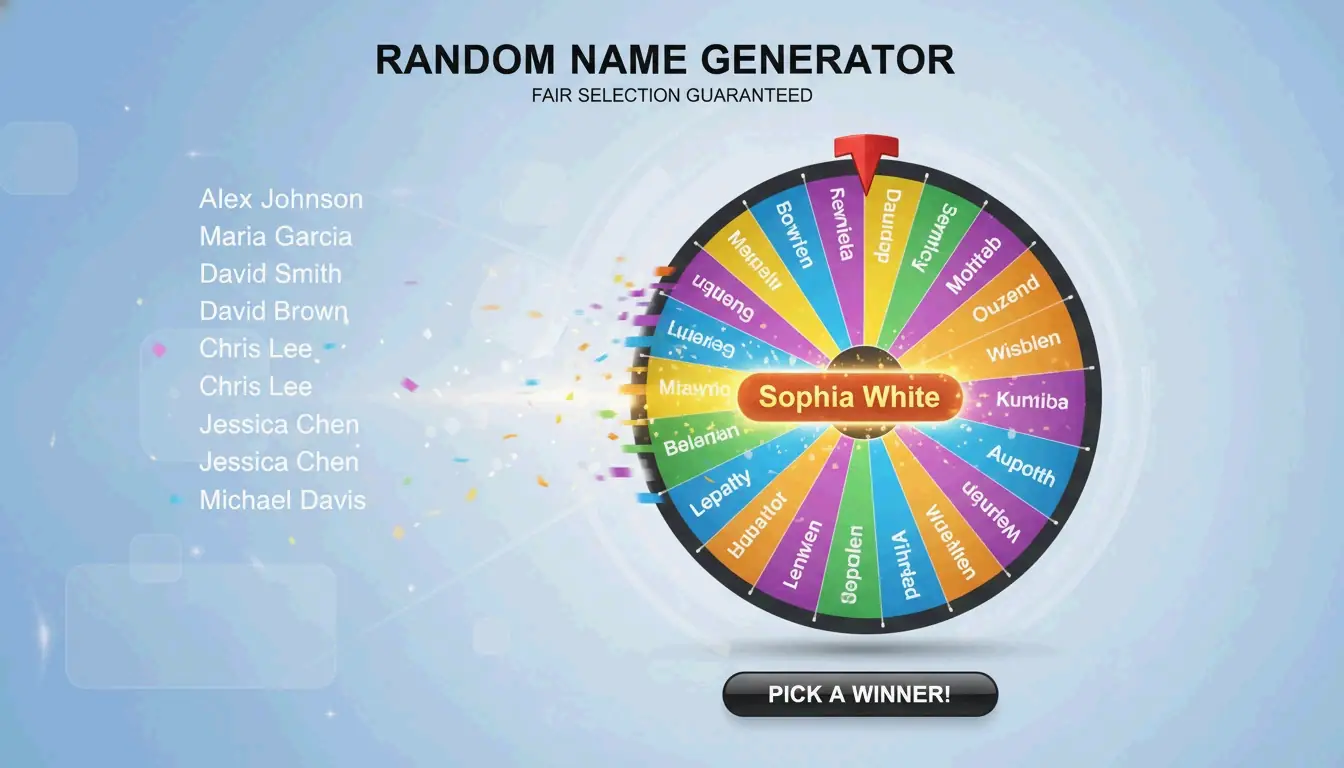
A random number and name generator is a free online tool that picks a random name from a list or a number from a range, ideal for giveaways, classrooms, and games. In 2026, many advanced tools combine both functions, support team generation, and even integrate with live streaming software for interactive events. Whether you’re running a raffle or picking students, a tool like the Random Number Generator on dogenerator.com gives you instant, unbiased results in seconds.
Why Use a Random Number and Name Generator for Your Next Giveaway or Raffle?
The whole point of a random number and name generator is to make winner selection fair and transparent. When you’re running a giveaway, raffle, or contest, the last thing you want is people accusing you of playing favorites. These tools take human judgment out of the equation and give you an auditable, unbiased result that everyone can trust.
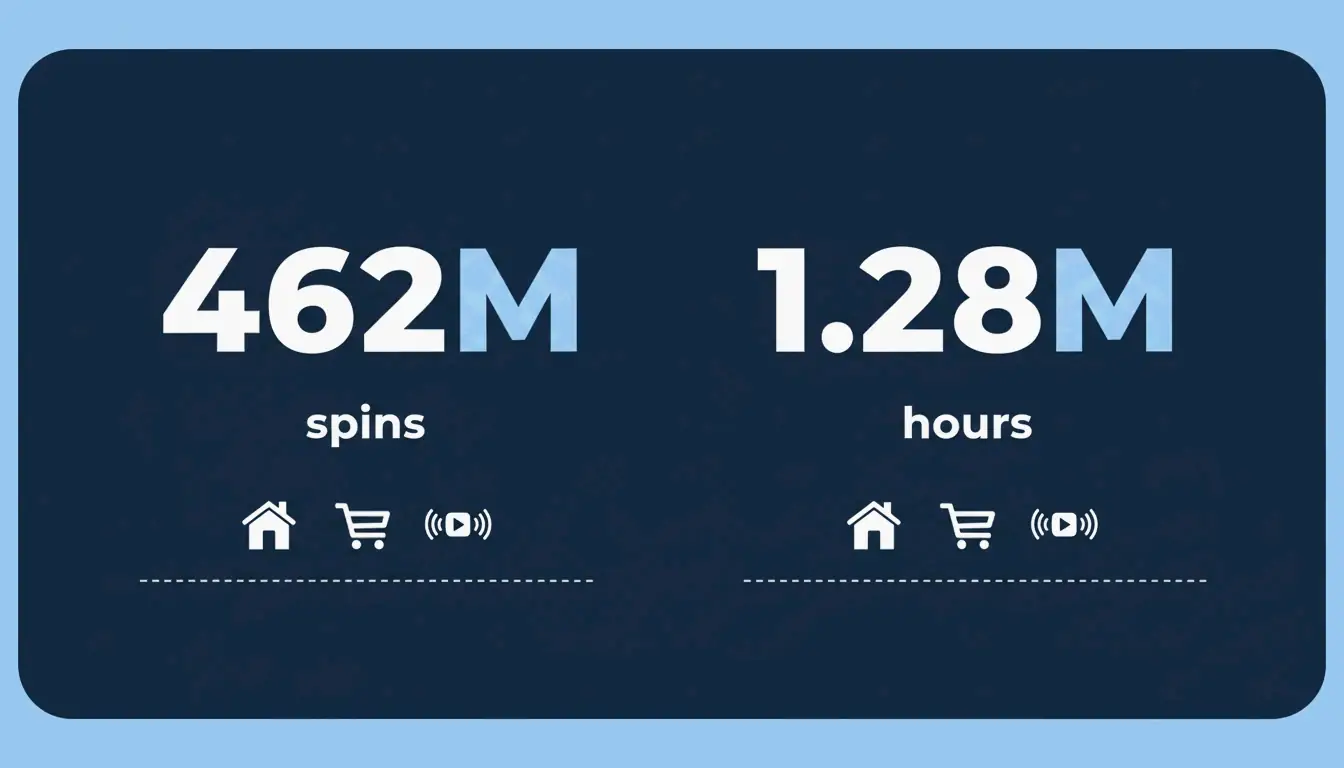
These tools are more popular than you might think. According to the Wheel of Names website, the platform recorded 462,479,318 wheel spins in 2026, accounting for 1,280,253 hours of spinning total. That kind of usage—across classrooms, retail promotions, and live streams—shows that millions of people depend on these tools for fair decision-making every single day.

A typical random number and name generator has three main functions:
– Name Picker: Selects one or more random names from a list you provide.
– Number Generator: Picks a random number from a specified range (e.g., 1-100).
– Wheel Spinner: A visual, interactive version of the picker that adds excitement and transparency to the selection process.
Using a random number and name generator directly addresses your primary goal: running a successful and unbiased giveaway, raffle, or winner selection. It turns a potentially contentious process into a simple, fair, and engaging experience for all participants.
How to Pick the Right Random Name and Number Generator for Your Needs
Choosing the right tool depends on what you’re trying to do. The market offers three main categories of random number and name generators, each suited to different situations. For visual, engaging picks, the Random Wheel on dogenerator.com provides an interactive spinning experience that’s perfect for live events and classrooms.
Simple Pickers vs. Visual Wheel Spinners: Which One is For You?
- Simple Pickers: These are straightforward, no-frills tools. You paste a list, click a button, and get a result. They’re great for quick, private selections where you don’t need a fancy visual. Generate-Random.org offers a powerful simple picker with advanced features like bulk import and result history.
- Visual Wheel Spinners: Tools like the popular Wheel of Names add a dramatic, shareable visual element. The wheel spins and lands on a winner, making the process transparent and engaging for audiences. They’re perfect for live events, classroom activities, and streaming.
- Multi-Function Generators: Tools like RandomChoiceGenerator.com combine name picking, number generation, and team creation in a single platform.
How to decide based on your situation:
– Classroom Use: A visual wheel spinner works best. Teachers can project it on a screen, and students can watch the selection. Many teachers use Wheel of Names to pick who answers the next question, turning selection into a fun, fair game.
– Business Giveaways: A simple picker with non-repeat mode and result history is ideal for multi-prize raffles.
– Personal Use: Either type works. A wheel spinner adds fun to picking dinner choices or game order.
Crucial Features: Non-Repeat Mode (No Multiple Winners!)
One of the most important features is the Non-Repeat Mode, also called “remember picks” or “without replacement.” This feature ensures that once a name or number is selected, it’s removed from the pool for subsequent draws. This is critical for multi-prize giveaways where the same person shouldn’t win twice.
For example, Generate-Random.org’s Name Picker lets you enable “Remember Previous Picks.” When enabled, “previously picked items are excluded from future picks automatically,” making it perfect for progressive raffles where you need to pick 1st, 2nd, and 3rd place winners without repeats.
Other key features to look for include:
– Bulk Import: The ability to paste large lists from Excel or Google Sheets.
– Result History: A record of all selections for transparency and audit trails.
How Randomness Really Works: A Simple Guide to Fisher-Yates & CSPRNG
A good random number and name generator uses proven mathematical algorithms to ensure fairness. Understanding the basics builds trust in the tool you choose.
PRNG vs. CSPRNG: When Does Randomness Matter?
The core difference lies in the type of random number generator used:
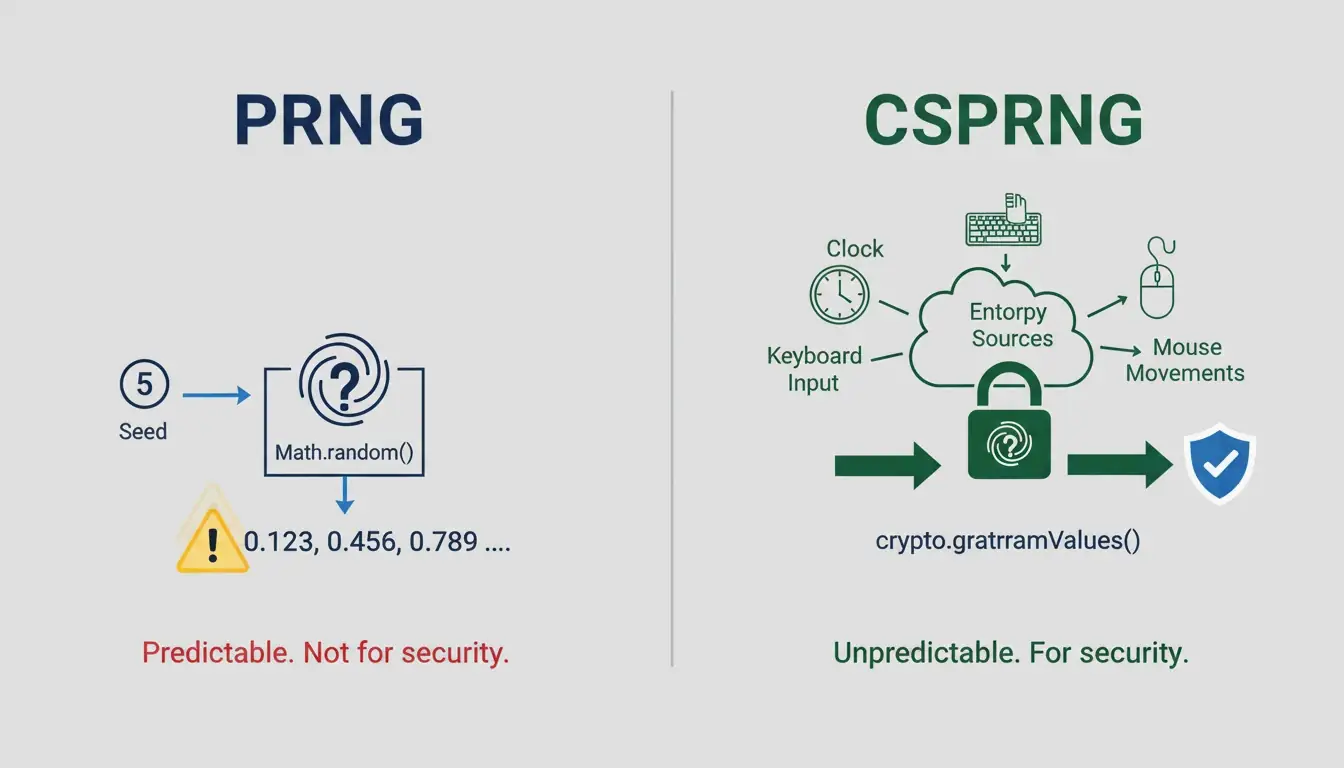
– Pseudo-Random Number Generator (PRNG): This is the standard Math.random() function found in most programming languages. It uses a mathematical formula to generate numbers that appear random but are, in theory, predictable if you know the starting point (the “seed”). It’s fine for simple games or picking a random student, but not ideal for high-stakes draws.
– Cryptographically Secure Pseudo-Random Number Generator (CSPRNG): This uses high-entropy sources from your computer’s operating system (like hardware timings, mouse movements, and keyboard delays) to generate truly unpredictable results. It’s the gold standard for security-sensitive applications.
When does it matter? For a simple classroom pick, a PRNG is fine. For a high-value cash prize giveaway or an official corporate raffle, you should insist on a tool that uses a CSPRNG. As Wheel of Names states, they “do not use the standard Math.random() function. Instead, the wheel’s physics are driven by crypto.getRandomValues(), a specialized, high-security function built into modern web browsers.”

What is the Fisher-Yates Shuffle and Why is it Fair?
The Fisher-Yates shuffle (also known as the Knuth shuffle) is the algorithm used to select multiple winners without replacement fairly. It works by iterating through a list and swapping each element with a randomly chosen element from the remaining pool. This ensures every possible permutation of the list is equally likely.
Generate-Random.org provides a clear example of its implementation in PHP:
// Fisher-Yates partial shuffle
for ($i = 0; $i < $pickCount; $i++) {
$randomIndex = random_int($i, count($items) - 1);
$temp = $items[$i];
$items[$i] = $items[$randomIndex];
$temp = $items[$randomIndex];
$items[$randomIndex] = $temp;
$picks[] = $items[$i]; // Selected item
}
This process is called a “partial shuffle” because it only randomizes the first n items (where n is the number of winners you want to pick). It’s perfectly fair because each item has an equal probability of landing in any of the first n positions.
Beyond Giveaways: Using a Team Generator for Your Classroom or Game
A random name picker can also function as a powerful Team Generator, helping you create fair groups in seconds. This is a secondary but highly valuable use case that extends the utility of the tool.
How to Create Fair Groups in Seconds
The process is simple:
1. Import a list of all participants.
2. Specify the number of teams you need.
3. The tool randomly splits the list into the specified number of groups, ensuring each team is created without bias.
Tools like ClassTools.net’s Random Group Generator are purpose-built for this task. You simply enter names, select the number of groups, and it instantly divides the list. A teacher using this tool for a class project can create fair, balanced groups, eliminating arguments over team composition. The process is identical to how a teacher might use Wheel of Names to call on students, but adapted for group creation. This feature is also available on platforms like Generate-Random.org and RandomChoiceGenerator.com.
The Ultimate Guide for Streamers: Integrating Your Random Name Picker with OBS
For content creators on Twitch and YouTube, a random name picker isn’t just a tool for giveaways—it’s an interactive engagement engine. Integrating it with your streaming software (OBS, Streamlabs) adds a visual, unpredictable element that keeps your audience watching.
Step-by-Step: Adding a Wheel to Your Stream in OBS
According to Wheel of Names, which has a dedicated streaming control panel, the process is straightforward:
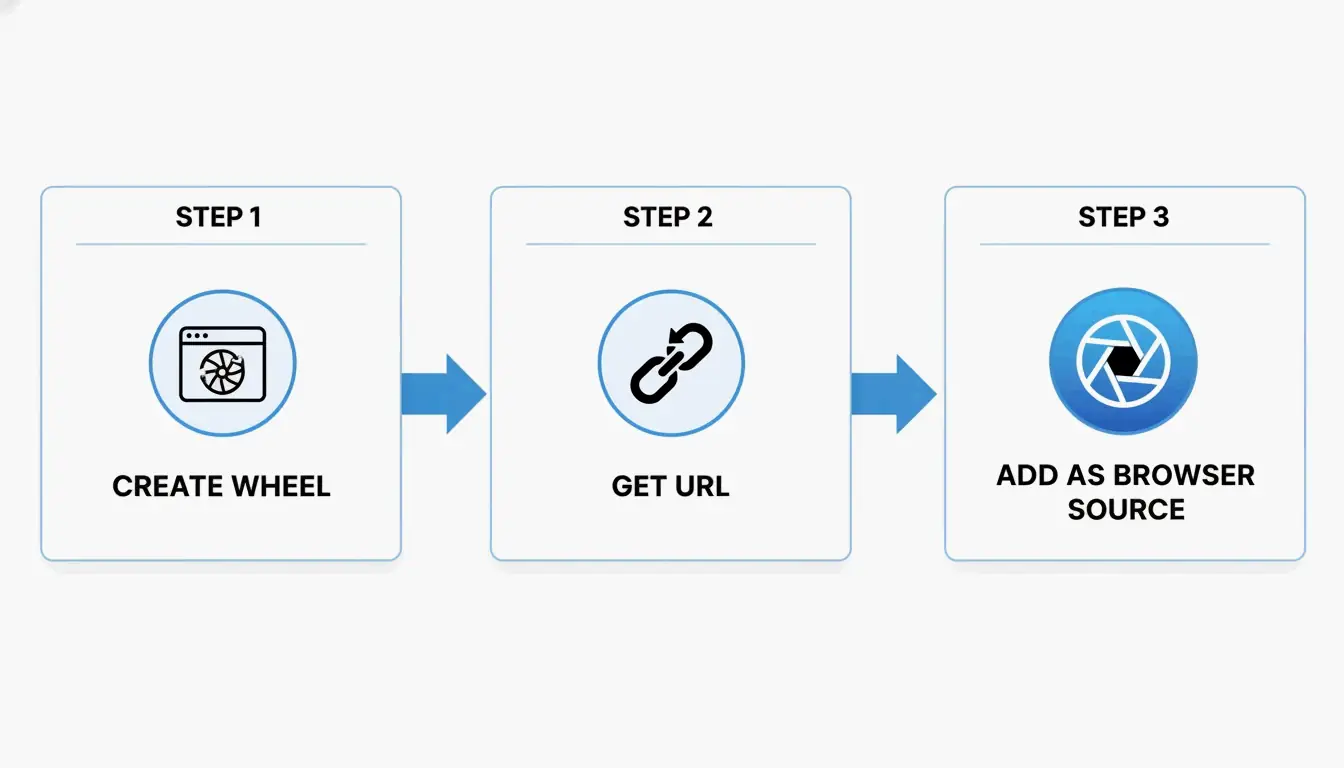
- Create Your Wheel: Go to the Wheel of Names website and build your wheel. Add the names, numbers, or options you want.
- Use the Streaming Control Panel: Navigate to the streaming control panel to manage the wheel for your broadcast.
- Add as a Browser Source: In OBS or Streamlabs, add a new source and select “Browser.” Paste the wheel’s URL into the browser source URL field.
- Configure and Position: Adjust the width and height to fit your stream layout. You can now spin the wheel directly from your browser, and the result will appear live on your stream.

Creative Stream Ideas: 5 Ways to Use a Random Name Picker Live
Common streamer uses for a random name picker include:
- In-Game Challenges: Spin to pick a random handicap, like “pistol only” in a shooting game.
- Character Builds: Let the wheel choose your class, skills, or starting weapon in an RPG.
- Viewer Giveaways: Spin to randomly pick a winner from your chat list.
- Game Mode Selection: Use the wheel to decide which game or map to play next.
- Call to Action: Spin to decide the next challenge for you or your chat to complete.
Conclusion
Choosing the right random number and name generator depends on your specific need, from a simple giveaway to an interactive live stream. For a comprehensive solution that covers number generation, name picking, and everything in between, try the number random generator on dogenerator.com as your starting point. Identify your primary use case (e.g., streamer, teacher, event organizer), then select a tool that offers the features we discussed—like non-repeat mode, a visual wheel spinner, and CSPRNG technology—for the most engaging and fair experience. Start with a trusted, well-reviewed tool like Wheel of Names or Generate-Random.org that prioritizes transparency in its randomization process.
FAQ
How can I be sure the random result is truly random and not rigged?
Look for tools that explain their technology, specifically mentioning algorithms like Fisher-Yates Shuffle or CSPRNG. Trust established tools with millions of uses, as their reputation relies on fairness. For highly sensitive draws (e.g., large cash prizes), tools using CSPRNG offer a higher level of cryptographic security.
Can I use a random name generator on my phone or tablet?
Yes, most modern tools are built with responsive web design, making them fully functional on any device with a browser. Many tools also have dedicated mobile apps for a more streamlined experience.
Is my data safe when I use one of these online tools?
Reputable tools like Wheel of Names and Random.org process data locally in your browser as much as possible. This means the names you input often never leave your computer, ensuring your list remains private and secure. Check the tool’s privacy policy to understand its specific data handling practices.
Can I generate multiple unique winners at once?
Yes, many tools offer a non-repeat mode. This feature remembers previous selections within a single session, ensuring the same person cannot win twice. This is perfect for multi-prize giveaways or selecting several participants for a game.
常見問題
Why Use a Random Number and Name Generator for Your Next Giveaway or Raffle?
The whole point of a random number and name generator is to make winner selection fair and transparent. When you’re running a giveaway, raffle, or contest, the last thing you want is people accusing you of playing favorites. These tools take human judgment out of the equation and give you an auditable, unbiased result that everyone can trust. These tools are more popular than you might think. According to the Wheel of Names website, the platform recorded 462,479,318 wheel spins in 2026, accounting for 1,280,253 hours of spinning total. That kind of usage—across classrooms, retail promotions, and live streams—shows that millions of people depend on these tools for fair decision-making every single day.
Simple Pickers vs. Visual Wheel Spinners: Which One is For You?
Simple Pickers: These are straightforward, no-frills tools. You paste a list, click a button, and get a result. They’re great for quick, private selections where you don’t need a fancy visual. Generate-Random.org offers a powerful simple picker with advanced features like bulk import and result history. Visual Wheel Spinners: Tools like the popular Wheel of Names add a dramatic, shareable visual element. The wheel spins and lands on a winner, making the process transparent and engaging for audiences. They’re perfect for live events, classroom activities, and streaming. Multi-Function Generators: Tools like RandomChoiceGenerator.com combine name picking, number generation, and team creation in a single platform. How to decide based on your situation: – Classroom Use: A visual wheel spinner works best. Teachers can project it on a screen, and students can watch the selection. Many teachers use Wheel of Names to pick who answers the next question, turning selection into a fun, fair game. – Business Giveaways: A simple picker with non-repeat mode and result history is ideal for multi-prize raffles. – Personal Use: Either type works. A wheel spinner adds fun to picking dinner choices or game order.
PRNG vs. CSPRNG: When Does Randomness Matter?
The core difference lies in the type of random number generator used: – Pseudo-Random Number Generator (PRNG): This is the standard Math.random() function found in most programming languages. It uses a mathematical formula to generate numbers that appear random but are, in theory, predictable if you know the starting point (the “seed”). It’s fine for simple games or picking a random student, but not ideal for high-stakes draws. – Cryptographically Secure Pseudo-Random Number Generator (CSPRNG): This uses high-entropy sources from your computer’s operating system (like hardware timings, mouse movements, and keyboard delays) to generate truly unpredictable results. It’s the gold standard for security-sensitive applications. When does it matter? For a simple classroom pick, a PRNG is fine. For a high-value cash prize giveaway or an official corporate raffle, you should insist on a tool that uses a CSPRNG. As Wheel of Names states, they “do not use the standard Math.random() function. Instead, the wheel’s physics are driven by crypto.getRandomValues(), a specialized, high-security function built into modern web browsers.”
When does it matter?
For a simple classroom pick, a PRNG is fine. For a high-value cash prize giveaway or an official corporate raffle, you should insist on a tool that uses a CSPRNG. As Wheel of Names
What is the Fisher-Yates Shuffle and Why is it Fair?
The Fisher-Yates shuffle (also known as the Knuth shuffle) is the algorithm used to select multiple winners without replacement fairly. It works by iterating through a list and swapping each element with a randomly chosen element from the remaining pool. This ensures every possible permutation of the list is equally likely. Generate-Random.org provides a clear example of its implementation in PHP: