ISBN-10 与 ISBN-13:核心差异、转换指南与 979 前缀全解析
快速摘要
- 如今出版的每一本书都带有 13 位的 ISBN——这个通用标识符让书籍可以在全球任意收银台被扫描识别。但如果你接触图书行业已久,多半也见过更早的 10 位格式。理解两者之间的差异、相互如何转换,以及新的“979”前缀为何改变了一切,对于出版商、图书馆员以及任何在 2026 年处理图书元数据的人来说都是必备知识。
- 如今出版的每一本书都带有 13 位的 ISBN——这个通用标识符让书籍可以在全球任意收银台被扫描识别。但如果你接触图书行业已久,多半也见过更早的 10 位格式。理解两者之间的差异、相互如何转换,以及新的“979”前缀为何改变了一.
- ISBN-10 与 ISBN-13:核心差异
编辑说明
本文由 SectoJoy 审阅,于 2026年6月19日 发布。当产品细节、示例或工具使用方式发生变化时,我们会同步更新内容。最近更新于 2026年6月19日。
SectoJoy
我是一名独立开发者,专注于构建 iOS 和 Web 应用程序,致力于打造实用的 SaaS 产品。我专注于 AI SEO 领域,不断探索智能技术如何推动可持续增长和效率提升。
如今出版的每一本书都带有 13 位的 ISBN——这个通用标识符让书籍可以在全球任意收银台被扫描识别。但如果你接触图书行业已久,多半也见过更早的 10 位格式。理解两者之间的差异、相互如何转换,以及新的“979”前缀为何改变了一切,对于出版商、图书馆员以及任何在 2026 年处理图书元数据的人来说都是必备知识。
本指南将梳理两者在结构上的核心差异,逐步演示转换的计算方法,解释为什么以 979 开头的 ISBN 无法回退到 10 位,并盘点当前 ISBN 的购买成本。
ISBN-10 与 ISBN-13:核心差异
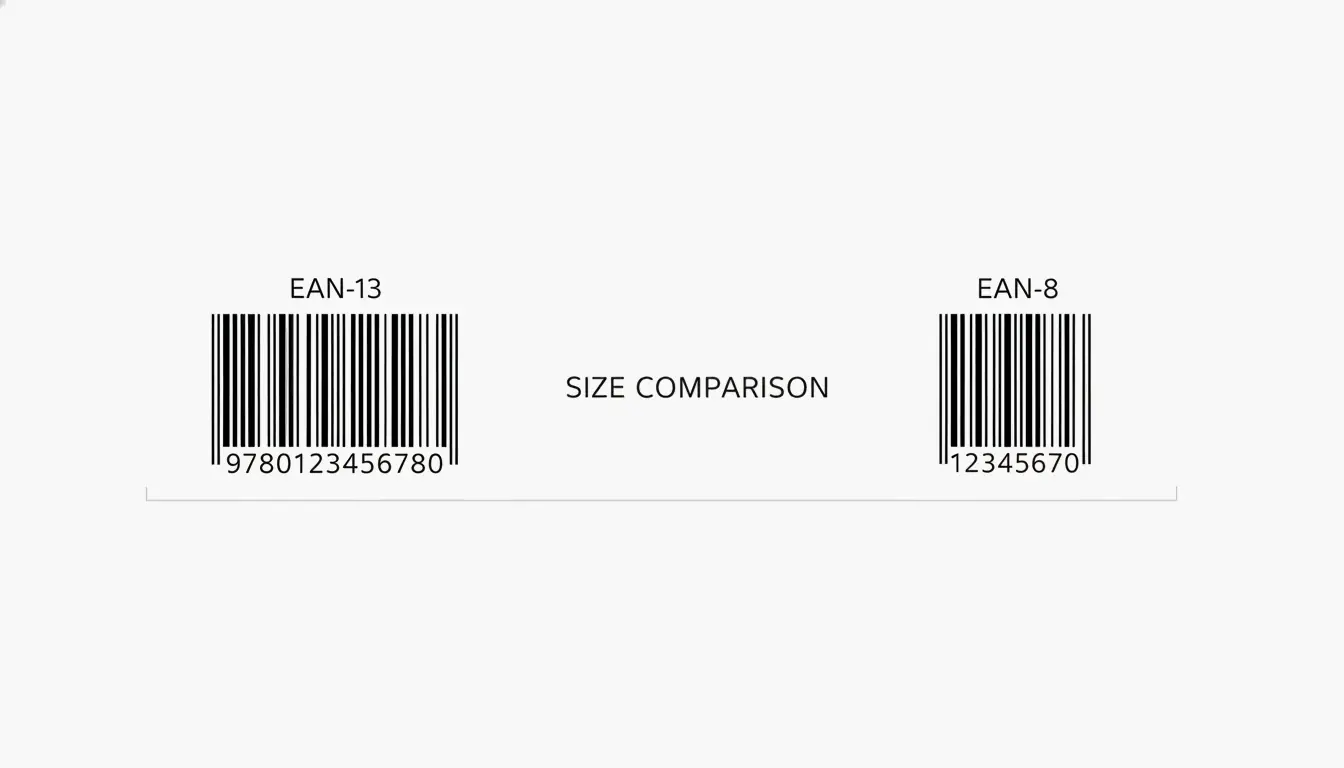
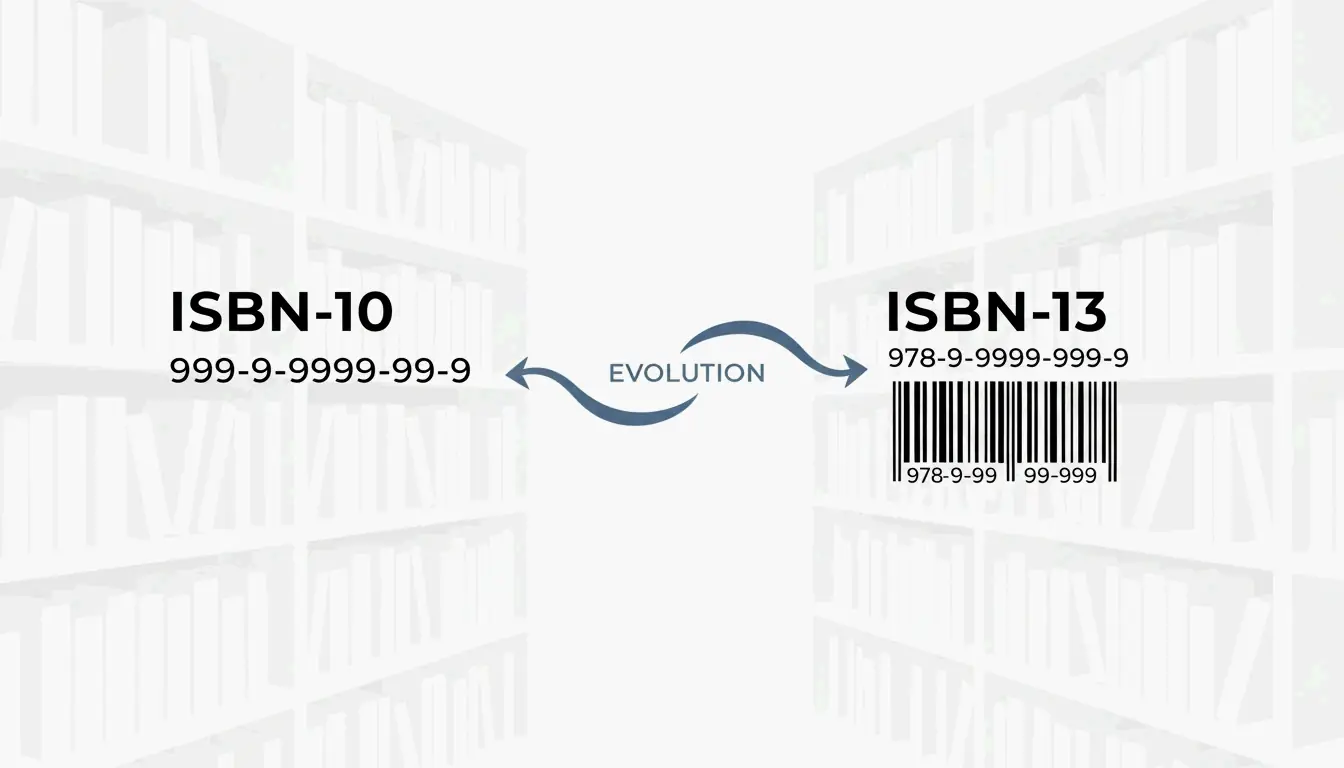
ISBN 系统最大的一次变革发生在 2007 年 1 月 1 日,整个行业从 10 位升级到了 13 位。据 Wikipedia 记载,这次变更有两个目的:在全球范围内扩充可用号码池,并将图书与几乎所有零售商都在使用的 EAN-13 条码系统对齐。
结构组成
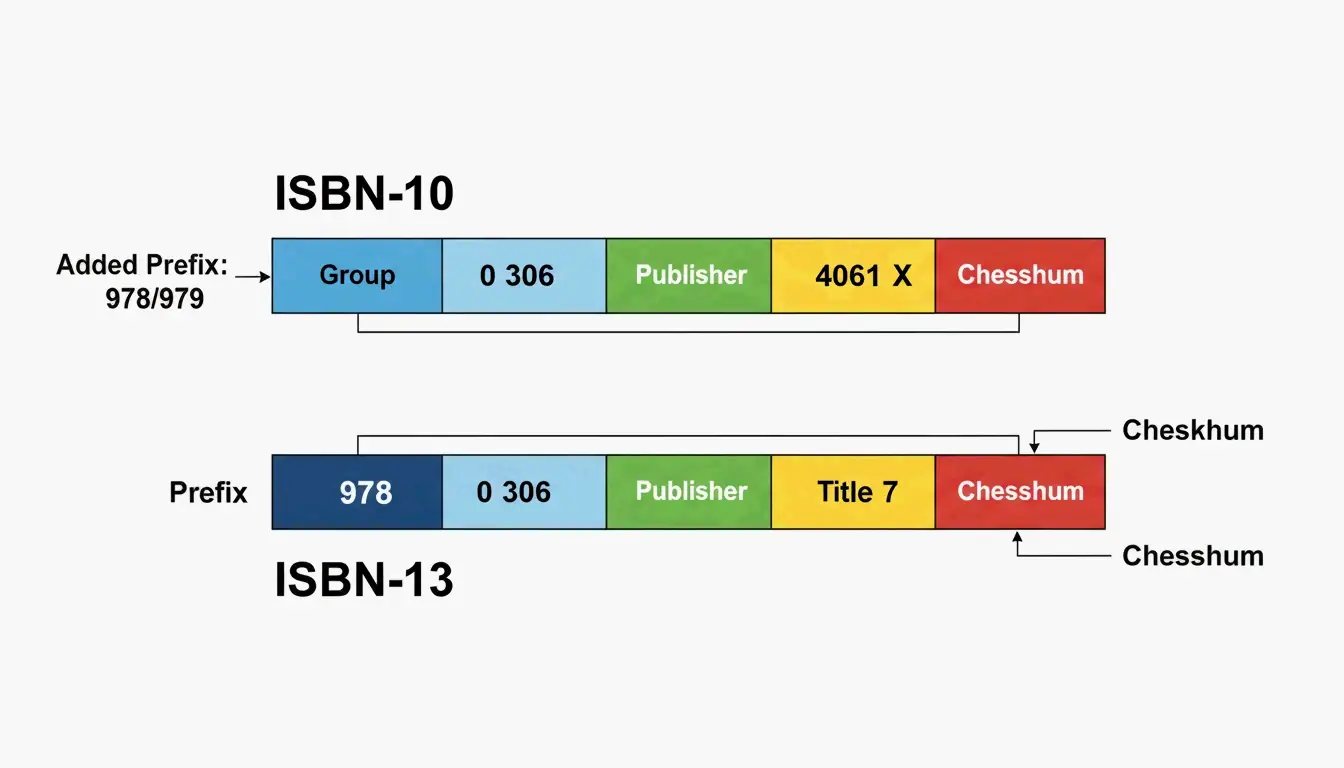
| 组成部分 | ISBN-10 | ISBN-13 |
|---|---|---|
| 总位数 | 10 | 13 |
| GS1 前缀 | 无 | 978 或 979 |
| 注册组 | 语言/国家 | 语言/国家 |
| 注册者 | 出版社 | 出版社 |
| 出版项 | 具体书名/版本 | 具体书名/版本 |
| 校验位 | 模 11(0–9 或 X) | 模 10(仅 0–9) |
LiteDevTools 指出,ISBN-13 现已成为现代库存管理系统的必备格式——它让图书能够使用与其他任何消费品相同的 GTIN-13 数据字段,在收银台完成扫描。
何时使用哪种格式
- 现代出版物 — 2007 年以后出版的任何图书都必须拥有 ISBN-13。
- 历史数据库 — ISBN-10 在追踪旧库存或整理图书馆目录时仍然有用。
- 条码 — 图书封底上可扫描的 EAN-13 条码需要 13 位版本。
979 前缀:为什么无法回退转换
“979”前缀是 ISBN 系统的一个转折点。最初,所有 13 位 ISBN 都以“978”开头——它本质上是一座连接 10 位世界与 13 位世界的桥梁。但随着部分地区 978 号码的供给开始枯竭,GS1 引入了 979 前缀 作为新的命名空间。
2026 年 979 的区域分配
据 EAN Check,部分 979 前缀现已锁定给高产量地区:
| 前缀 | 地区 / 用途 |
|---|---|
| 979-8 | 美国 |
| 979-10 | 法国 |
| 979-11 | 韩国 |
| 979-12 | 意大利 |
| 979-0 | 国际标准音乐编号(ISMN) |
为什么 979 没有 ISBN-10 对应版本
这是常见的困惑点。虽然以 978 开头的 ISBN 与其 10 位版本之间存在直接的数学映射关系,但 979 ISBN 没有任何 ISBN-10 对应版本。正如 Wikipedia 所述,这些注册组在旧的 10 位系统中从未存在过。如果你的图书在美国被分配了 979-8 前缀,它就只以 13 位标识符的形式存在——没有任何办法将其“降级”。
一步步教你转换 ISBN
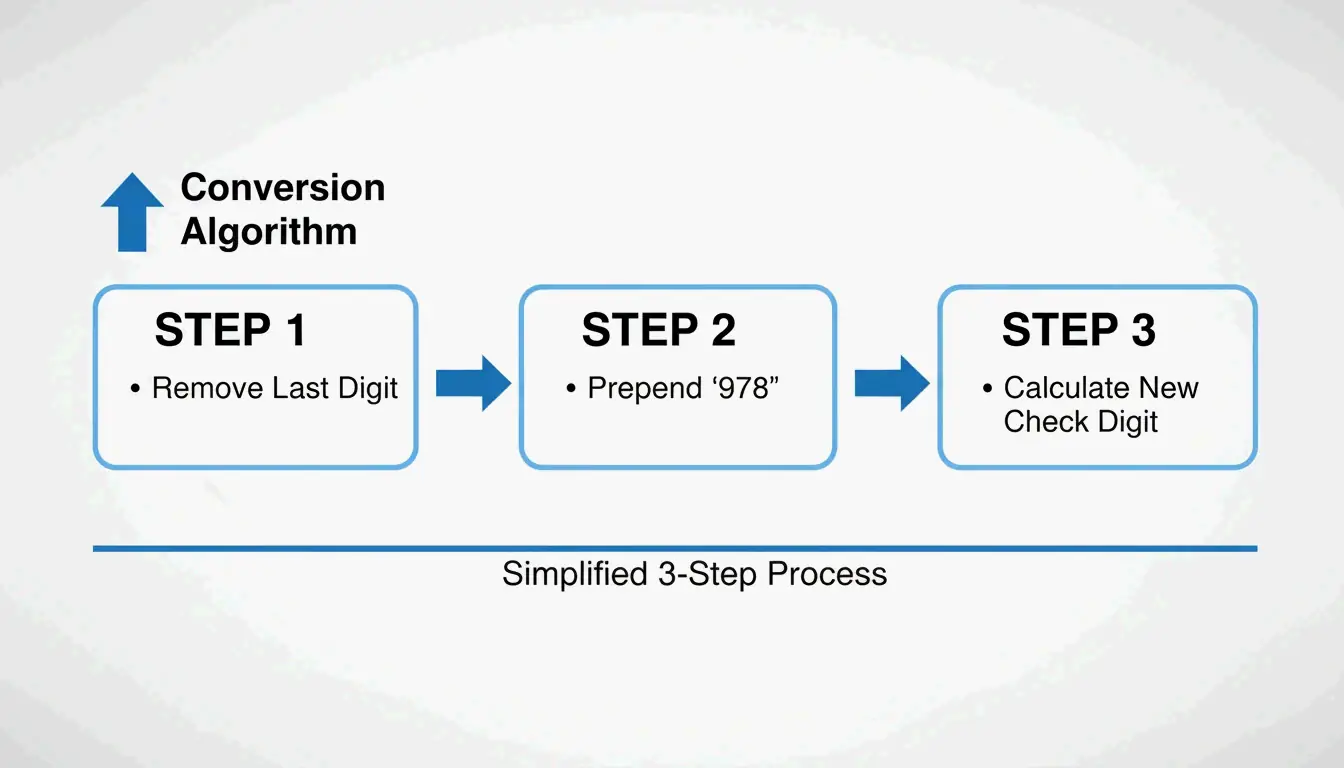
把 ISBN-10 转换成 ISBN-13,并非简单地在前面加上“978”——末位的校验位必须从头重新计算。
如何将 ISBN-10 转换为 ISBN-13
- 去掉校验位 — 把 ISBN-10 的最后一位(第 10 位)去掉。
- 在前面加上“978” — 把它加在剩余 9 位数字的前面。
- 用 GS1 模 10 算法重新计算校验位:
- 将这 12 位数字依次按 1 和 3 的权重交替相乘(从 1 开始)。
- 把所有乘积相加。
- 用总和除以 10 得到余数。
- 用 10 减去余数(如果结果是 10,则校验位为 0)。
完整示例
EAN Check 演示:ISBN-10 0-306-40615-2 可转换为 ISBN-13 978-0-306-40615-7。注意校验位从 2 变成了 7——这是因为两套系统所用的权重和模数不同,所以校验位几乎总会发生变化。
校验位为什么会变
ISBN-10 使用 模 11(允许用字母“X”表示 10),而 ISBN-13 使用 模 10(仅 0–9 数字)。由于算法和权重不同,转换过程中校验位几乎总会改变。
2026 年出版标准:成本与要求
在美国,Bowker 是唯一获得授权的 ISBN 代理机构。对自出版作者来说,成本结构至关重要。
Bowker 价格(2026)
据 Books.by:
| 数量 | 价格 | 单本 ISBN |
|---|---|---|
| 1 个 ISBN | $125 | $125.00 |
| 10 个 ISBN | $295 | $29.50 |
| 100 个 ISBN | $575 | $5.75 |
Books.by 提醒,$125 的单本 ISBN 其实有点像陷阱——因为图书的每种格式(平装、精装、电子书、有声书)都需要各自的 ISBN,所以对独立出版人而言,10 件套几乎总是更明智的选择。
每种格式都需要独立的 ISBN
| 格式 | 是否需要 ISBN? | 说明 |
|---|---|---|
| 纸质(平装/精装) | 是 | 书店和图书馆均要求 |
| 电子书(Amazon KDP) | 可选 | Amazon 会分配自家的 ASIN |
| 电子书(其他平台) | 是 | OverDrive 和图书馆平台均要求 |
| 有声书 | 是 | ACX、Findaway Voices 等均要求 |
国际对比
美国对 ISBN 收费这一点其实并不常见。据 Wikipedia 和 Books.by 报道,在加拿大、印度和新西兰,ISBN 是免费的,由政府直接管理系统。
结论
从 ISBN-10 过渡到 ISBN-13 绝非一项可有可无的技术细节——它是让图书进入现代供应链的必要条件。ISBN-10 作为整理历史数据库的工具仍然有用,但 13 位格式才是 2026 年全球图书市场的通用语言。979 前缀在美国和欧洲的兴起进一步印证了这一点:旧的 10 位系统已经走到了极限。
对大多数出版商来说,实用的建议其实很简单:批量购买(10 件套或 100 件套)ISBN-13 以覆盖所有格式,使用校验工具保持元数据的整洁,并且不要尝试把 979 前缀的号码转回 10 位——这是做不到的。
常见问题
为什么 ISBN 在 2007 年从 10 位改成了 13 位?
主要是为了应对全球图书产量增长带来的可用号码短缺,同时也为了让 ISBN 系统与零售业普遍使用的 GS1 EAN-13 条码标准对齐。这样一来,图书就能使用与其他消费品相同的设备完成扫描。
是否每个 ISBN-13 都能转换为 ISBN-10?
不能。只有以 “978” 开头的 ISBN-13 才能转回 10 位。以 “979” 开头的号码属于一个较新的命名空间,从未属于 10 位系统——它们没有 ISBN-10 的对应版本。
ISBN-10 中出现的“X”代表什么?
“X”代表校验位的数值 10。由于 ISBN-10 采用模 11 进行错误检测,共有 11 种可能的余数(0–10)。为了把 ISBN 保持在 10 位长度,余数为 10 时就采用了罗马数字“X”表示。
电子书和平装书需要不同的 ISBN 吗?
需要。每一种独立的格式和版本——平装、精装、电子书和有声书——都需要各自的唯一 ISBN。这样零售商和图书馆就能分别跟踪每一种产品,即使正文内容完全相同。
ISBN 应该印在实体书的什么位置?
根据《ISBN 用户手册》,号码必须出现在版权页(书名页的背面),以及封底外侧的下半部分。对于纸质书,ISBN 通常会被整合进 EAN-13 条码以便零售扫描。
相关文章